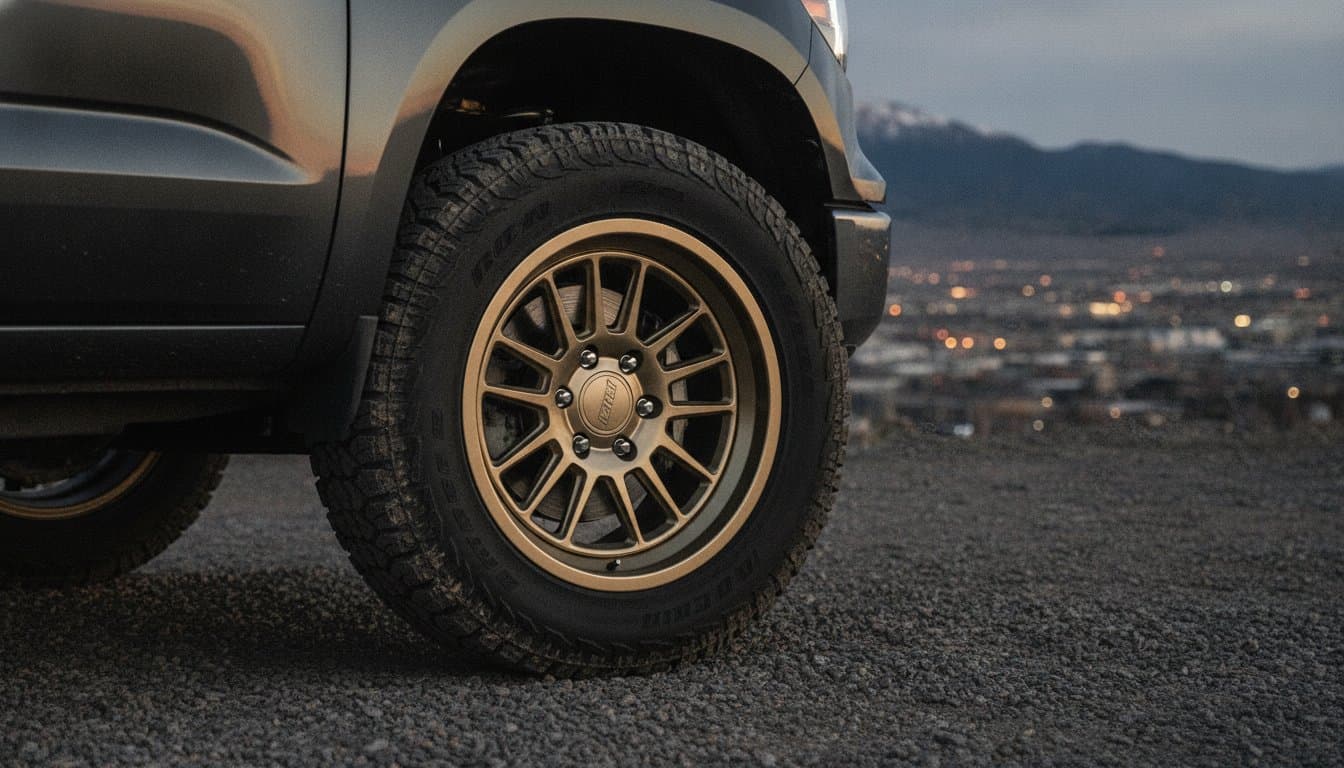
Best Aftermarket Wheels for Trucks in 2026: The Denver Owner’s Roundup
Your truck's factory rims weren't built to survive a season of I-70 mag-chloride and a weekend on the trails near Central City. Most Denver drivers want a wider, more aggressive stance, but the fear of improper fitment or ruined finishes keeps many from upgrading. You've likely spent hours looking at aftermarket wheels only to end up more confused by technical specs like offset and backspacing. It's frustrating to invest in a new look only to deal with tires rubbing every time you turn the steering wheel.
We understand that in Colorado, your wheels have to be as tough as they are stylish. This guide will help you discover the top-rated aftermarket wheels for 2026 and teach you how to choose the perfect fitment for our unique terrain. We'll preview the most durable finishes that resist winter corrosion and highlight the latest designs from brands like Fuel and Method. You'll gain the confidence to build a truck that performs on the rocks and looks incredible on the commute.
Key Takeaways
- Understand how moving beyond factory rims improves your truck’s stance and trail capability for the Front Range.
- Master critical measurements like offset and backspacing to ensure your new aftermarket wheels clear your suspension without rubbing.
- Discover why brands like Fuel and Method are the top choices for Denver’s mix of city driving and technical mountain trails.
- Learn which wheel finishes withstand Colorado’s harsh mag-chloride and winter road debris to keep your investment looking new.
- Simplify your upgrade by choosing pre-assembled wheel and tire packages that include professional TPMS integration to avoid dashboard errors.
The Shift from OEM to Aftermarket: Why Denver Truck Owners Upgrade
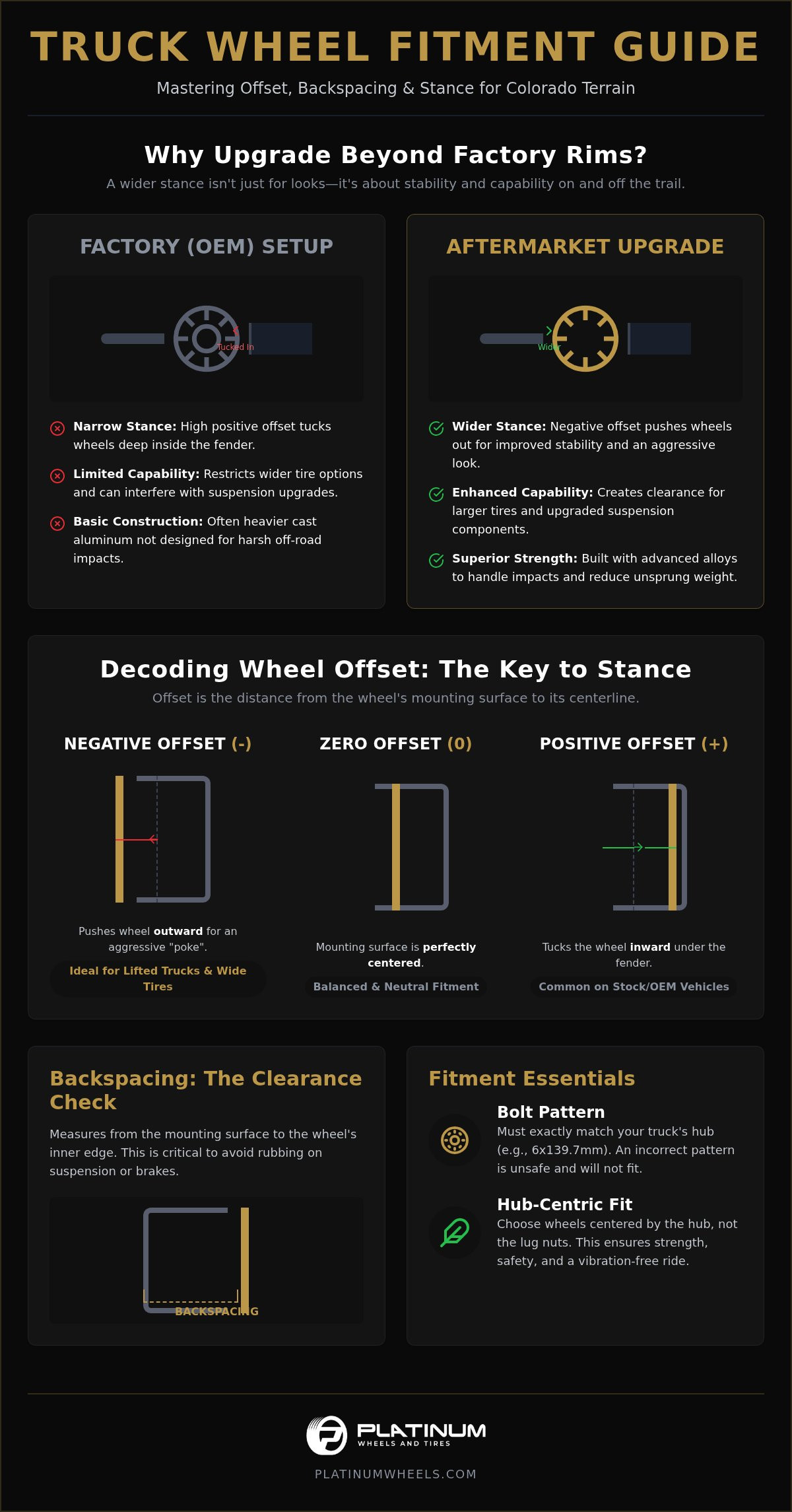
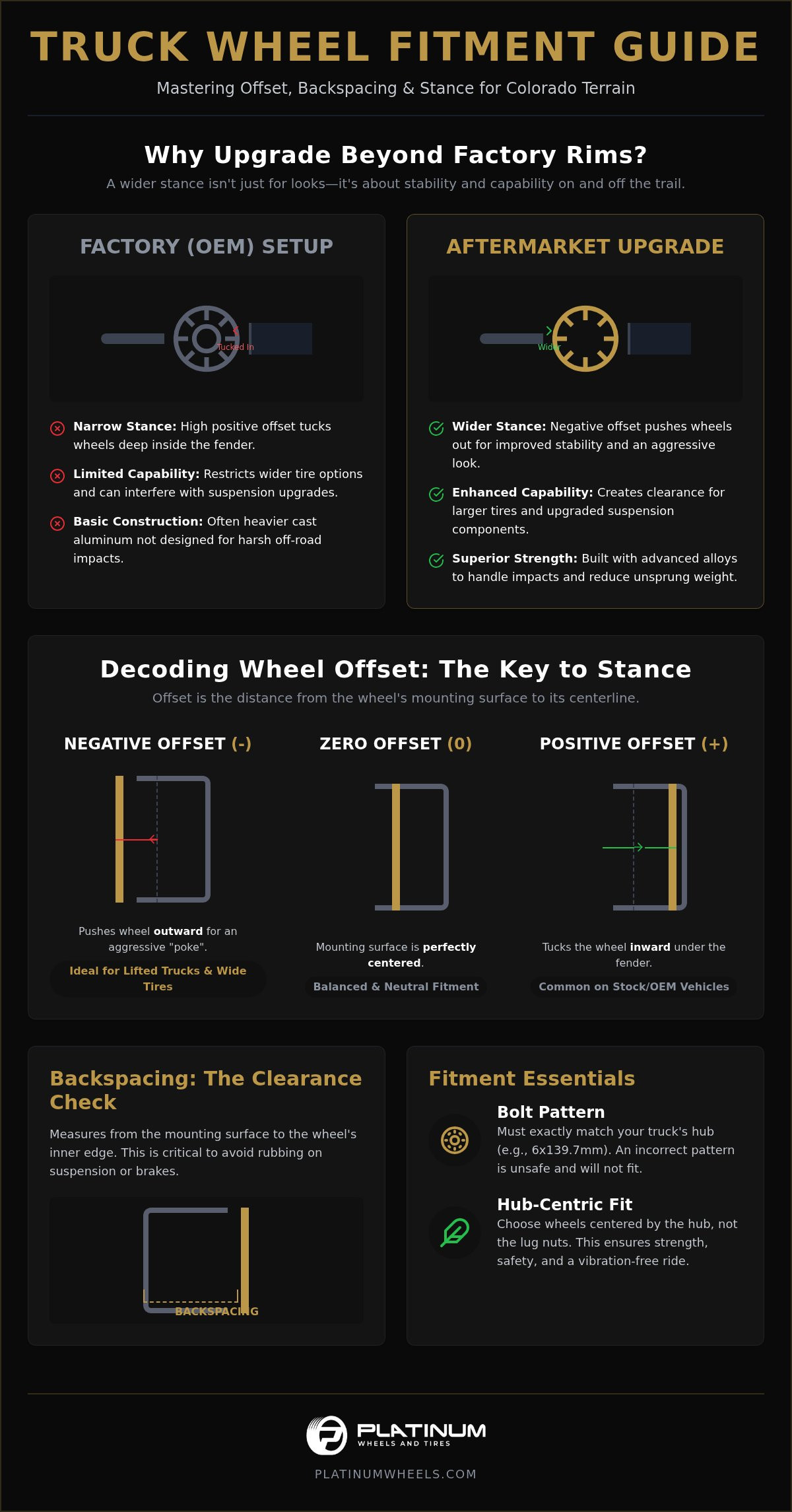
Most trucks leave the assembly line with wheels engineered for one thing: mass-market appeal. These factory rims are typically narrow and feature high positive offsets that tuck the tires deep into the wheel wells. While that works for a grocery run in Cherry Creek, it creates real limitations when you're aired down on a rocky trail or climbing a steep grade. Upgrading to aftermarket wheels allows you to correct these factory compromises. You gain the ability to run wider tires with more aggressive treads without worrying about suspension interference or frame rub.
In Colorado, your truck's footprint is its foundation. A wider stance isn't just about aesthetics; it's about stability. When you're navigating off-camber sections of a trail or taking a sharp curve on a mountain pass, that extra track width provides a more planted feel. Factory wheels often lack the structural reinforcement needed for heavy off-road use, making the switch to a dedicated off-road rim a smart move for anyone planning to explore beyond the pavement.
Performance Benefits Beyond Aesthetics
The shift to high-quality Alloy wheels offers a tangible boost in how your truck handles the Front Range's diverse terrain. Most modern aftermarket options use advanced casting or forging processes to balance extreme durability with reduced weight. By lowering your truck's unsprung weight, you improve acceleration and allow your suspension to react faster to bumps and dips in the road.
- Sidewall Support: Wider rims provide better support for your tire's sidewalls. This is crucial when you drop your tire pressure for better traction on soft dirt or deep Colorado snow.
- Brake Ventilation: Open-spoke designs allow more airflow to reach your rotors. This keeps your brakes cooler during long, heavy descents down steep mountain passes.
- Impact Resistance: High-grade aftermarket wheels are built to withstand the lateral loads and impacts common in technical off-roading, offering peace of mind that factory cast wheels cannot match.
The "Stance" Factor in the Front Range
Visual appeal is often the first thing people notice, but "stance" is also about geometry. Moving from a tucked-in factory look to a "flush" or "poke" setup changes your truck's profile and handling characteristics. A wider track width improves cornering stability when you're navigating the winding canyon roads leading to Estes Park or Breckenridge.
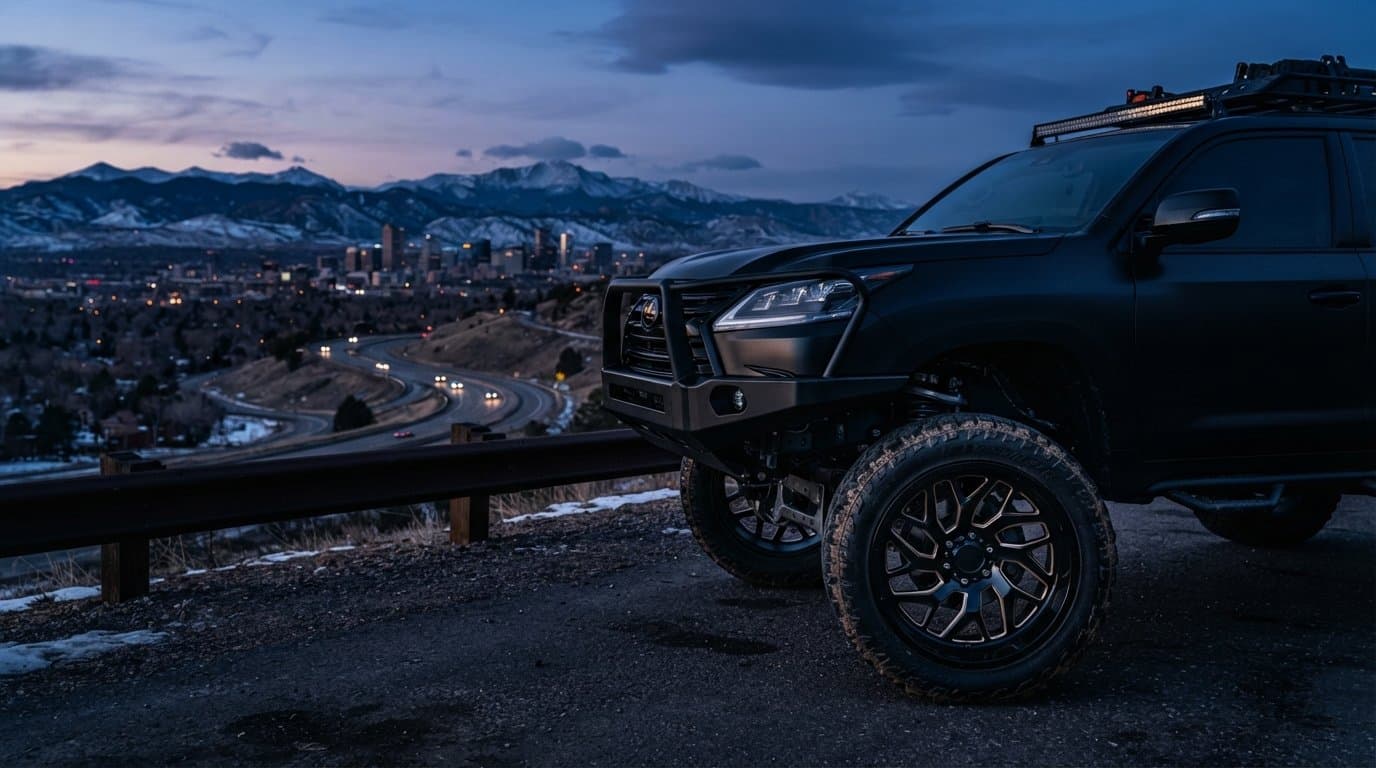
Choosing the right wheels is often the essential second step after deciding between a leveling kit vs lift kit. If you've added height to your truck, factory wheels often look undersized and out of place. Aftermarket rims fill out those larger wheel wells and provide the necessary backspacing to clear upgraded suspension components. This combination of form and function ensures your truck doesn't just look aggressive; it performs with precision on every mile of the journey.
Critical Fitment Specs: Offset, Backspacing, and Bolt Patterns
Selecting the right set of aftermarket wheels involves more than just picking a design that looks good. You need to understand the math that keeps your truck functional on Denver's streets and Colorado's trails. Fitment is a delicate balance of three primary measurements: offset, backspacing, and bolt pattern. Getting these wrong doesn't just result in an ugly stance; it can lead to tires rubbing against your frame or causing premature wear on your suspension components.
Wheel offset is the distance from the wheel's mounting surface to its true centerline. If the mounting surface is toward the street side, you have a positive offset, which is common on factory trucks to keep tires tucked in. A negative offset pushes the mounting surface toward the brakes, forcing the wheel outward for that aggressive "poke" look. Choosing between positive vs negative wheel offset for trucks depends entirely on how much clearance you need for wider tires and whether you've installed a lift. While offset handles the "look," backspacing is the measurement from the mounting surface to the back edge of the rim. It's the most critical number for ensuring your wheels don't smash into your control arms or brake calipers.
Precision matters when it comes to bolt patterns and hub-centricity. Generic "universal" wheels often use oversized center bores to fit multiple vehicles, but this places the entire weight of your heavy truck on the lug studs alone. Professional-grade aftermarket wheels are hub-centric, meaning the center of the wheel fits perfectly over the axle hub to distribute the load properly. If you aren't sure which specs your Ford or Chevy requires, we can help you verify the perfect wheel and tire fitment for your specific model.
How Offset Affects Scrub Radius and Bearing Wear
Pushing your wheels out with a heavy negative offset looks incredible, but it changes the physics of your front end. This setup increases the leverage placed on your wheel bearings, which can lead to faster part failure if you're frequently hitting washboard roads or technical trails. Scrub radius is the distance between the steering axis intersection at the ground and the center of the tire's contact patch. When this distance becomes too large, you'll feel every bump through the steering wheel, and your truck may "dart" or wander while braking.
Measuring for Success
Before you commit to a purchase, perform a "chalk test" or use a fitment tool at full steering lock. Many Denver owners want to jump straight to 35-inch tires, but these often require very specific backspacing to avoid rubbing the frame or the back of the wheel well. Don't rely on "it should fit" forum posts. Consulting with a professional ensures you won't need to resort to aggressive trimming or the infamous "NorCal mod" to get your truck out of the driveway without metal-on-rubber contact.
2026 Top Brand Roundup: The Best Aftermarket Wheels for Off-Road and Street
Selecting aftermarket wheels in 2026 means navigating a market filled with technical innovation. For Denver truck owners, the choice usually comes down to how much time you spend on the pavement versus the dirt. Brands have specialized their offerings to meet these specific demands, moving beyond simple aesthetics to provide real mechanical advantages. Whether you're building a dedicated rock crawler or a sleek street truck, the brand you choose dictates your vehicle's performance limits.
The Off-Road Elites
Method Race Wheels remains a powerhouse for technical enthusiasts. Their patented Bead-grip technology is a game changer for anyone frequenting technical trails. This feature uses integrated grooves to engage the tire bead, allowing you to drop your tire pressure significantly for better traction on rocks and sand without the cost or maintenance of a traditional beadlock. It's a professional grade solution for the weekend warrior who needs reliability in the backcountry.
Fuel Off-Road continues to lead the pack in aggressive styling and variety. Their "Covert" and "Rebel" series are staples for Ford F-150 and Chevy Silverado builds across the Front Range. These designs offer a balance of deep-dish visuals and rugged durability. This versatility is why these brands dominate the custom wheels and rims market in 2026. For those with heavy overlanding rigs, Black Rhino offers hard-hitting designs built specifically for truck and SUV enthusiasts. Their wheels are engineered with high load ratings to handle the extra weight of rooftop tents and recovery gear.
Street and Show Favorites
When the goal shifts to highway performance and clean aesthetics, American Racing and Rotiform take center stage. American Racing brings classic, heritage looks to modern street trucks, offering a timeless appeal that never goes out of style. Rotiform provides sophisticated, multi-spoke designs that look just as good at a local meet as they do cruising down the I-25. These brands focus on precision manufacturing to ensure a smooth, vibration-free ride at highway speeds.
You'll often face the choice between forged and cast aftermarket wheels. While cast wheels are more affordable and perfect for most daily drivers, the extra investment in forged wheels is justified for high-performance builds. Forging creates a denser, stronger wheel that can be made lighter. This reduces unsprung weight, which improves your truck's acceleration and braking response. Regardless of the style, always compare load ratings. Even if your truck spends most of its time on the street, you must ensure your wheels can safely handle a trailer or a bed full of supplies. A beautiful wheel is useless if it can't handle the work your truck was built to do.
Protecting Your Investment: Wheel Finishes and Colorado Winter Maintenance
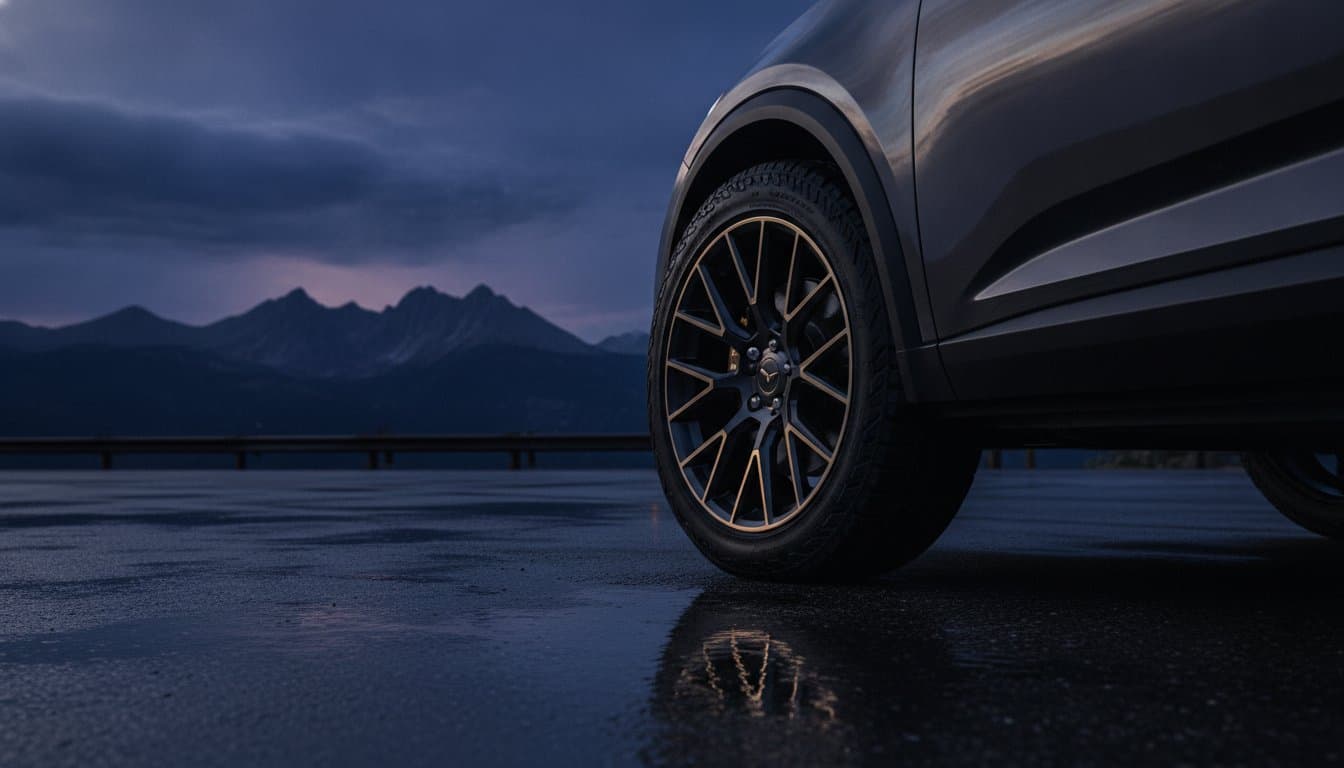
Colorado roads are a brutal testing ground for even the highest quality aftermarket wheels. Between the jagged granite debris on mountain trails and the chemical cocktail used to clear snow in Thornton and Aurora, your rims face constant biological and mechanical stress. Choosing the right finish isn't just a style preference; it's a survival strategy for your truck's most visible upgrade. Magnesium chloride, the liquid de-icer favored by CDOT, is particularly aggressive. It clings to metal surfaces and can quickly cloud polished aluminum or cause cheap clear coats to bubble and peel.
Powder coating is generally superior to traditional automotive paint for daily drivers in the Front Range. This process creates a thicker, more durable barrier that resists chipping from road salt and gravel. Gloss finishes are often easier to maintain during the winter because their smooth surface allows grime to slide off more easily. Matte finishes look incredible but can be "stained" by oils and road chemicals if they aren't cleaned regularly. If you're looking for a setup that survives the slush, browse our durable off-road wheel inventory to find finishes engineered for high-salt environments.
Choosing the Right Finish for the Front Range
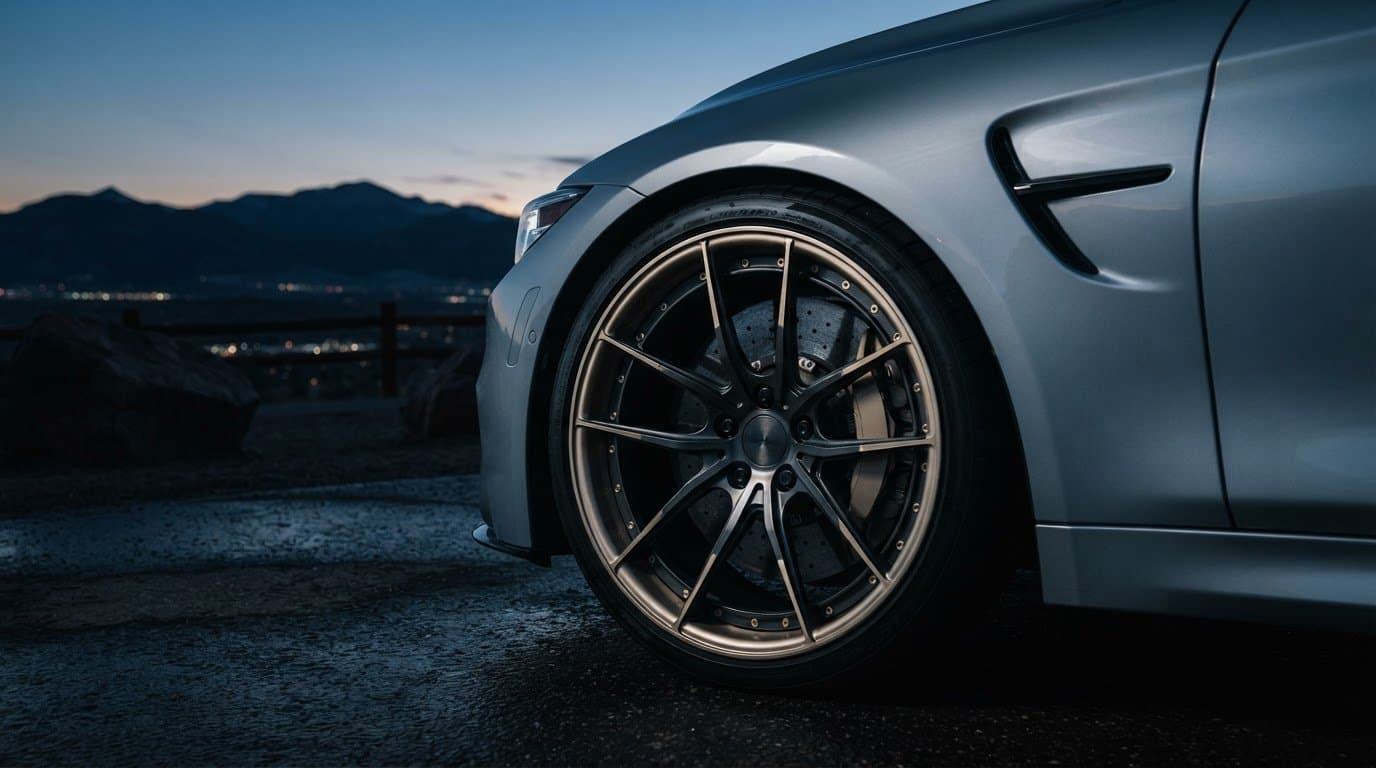
The debate between alloy rim wheels vs steel often comes down to winter resilience. While steel is cheap to replace, high-quality alloy wheels with PVD (Physical Vapor Deposition) chrome are far better suited for Denver. PVD chrome looks like traditional electroplating but is actually a powder-coated finish. It won't pit or flake when exposed to mag-chloride like old-school chrome rims. Tinted clears, like the popular "dark bronze" or "anthracite" finishes, offer a unique look but require a dedicated sealant to prevent the tint from fading or spotting due to chemical exposure.
Winter Maintenance Checklist
Consistency is your best defense against corrosion. If you live in Castle Rock or Parker, where snow totals are often higher, you should rinse your aftermarket wheels weekly during the snowy months. Use only non-acidic wheel cleaners. Acidic formulas can micro-etch the clear coat, giving road salt a foothold to start the corrosion process. Many owners choose to run a dedicated "winter wheel" setup, swapping their show-quality rims for a rugged, basic set from October through April. This preserves your premium investment while ensuring you still have the traction and fitment needed for mountain passes.
- Rinse Frequently: Remove salt and mag-chloride before they have time to bond to the finish.
- Apply a Sealant: Use a ceramic-based wheel coating to create a hydrophobic barrier.
- Avoid Automatic Car Washes: The harsh brushes and recycled water can scratch delicate finishes.
Beyond the Rim: Complete Wheel and Tire Packages in the Front Range
Buying a set of aftermarket wheels is only the first step in a successful truck build. To truly unlock the performance and style you're after, you need to consider how those rims interact with your rubber, your suspension, and your vehicle's computer. Choosing pre-assembled aftermarket wheel and tire packages eliminates the guesswork of matching rim widths to tire section widths. It ensures that when your setup is installed, the tire is perfectly seated and the assembly is ready to handle the varying altitudes and pressures of the Front Range.
One of the most overlooked components in a new build is the tpms sensor. Many online retailers ship wheels without sensors or with generic versions that won't sync with your truck's specific frequency. This leads to a persistent dash light that can mask actual tire pressure issues during a sudden cold snap in the Rockies. We prioritize professional integration, ensuring your safety systems remain fully functional even with an aggressive off-road setup.
Precision mounting and high-speed balancing are non-negotiable when moving to 35-inch or 37-inch tires. Large off-road tires have significant mass; even a tiny imbalance creates massive vibrations at highway speeds on I-25. While online warehouses might offer lower upfront prices, they can't provide the hands-on fitment expertise of truck rims Denver specialists. We verify clearances in real-time, adjusting for suspension travel that a computer algorithm might miss.
The Platinum Wheels Installation Advantage
We don't just sell parts; we build capable machines. Our team specializes in the professional installation of lift and leveling kits designed to accommodate your new aftermarket wheels without compromising ride quality. We handle in-house TPMS programming for all major truck brands, including Ford, RAM, Chevy, and Toyota. Our consultative approach ensures that your suspension geometry remains within spec, serving the community from Fort Collins down to Colorado Springs with precision and care.
Finalizing Your Build
Don't let the details derail your project. Selecting the right lug nuts is vital for both security and style. We offer spline drive, spiked, and high-strength OEM-style options to match your wheel's specific seat type. Once the install is complete, the work isn't quite over. We recommend a final check of your alignment and a quick re-torque of the lug nuts after your first 50 miles. This ensures everything has settled correctly after the initial heat cycles and road vibrations. Ready to transform your truck? Visit Platinum Wheels today and let's get your build started.
Build Your Ultimate Colorado Rig Today
Upgrading your truck isn't just about turning heads on the 16th Street Mall; it's about preparing for the unpredictable terrain of the Front Range. You've learned that the right aftermarket wheels require a precise balance of offset and backspacing to ensure your suspension performs without interference. We've also highlighted how durable finishes like PVD chrome and powder coating protect your investment from the corrosive magnesium chloride used on our winter roads. From selecting the perfect bead-grip technology for technical trails to ensuring your TPMS sensors are programmed correctly, every detail counts toward a reliable build.
As locally owned Denver specialists, we're here to help you navigate these technical choices with confidence. We provide expert fitment for all major truck brands and offer professional lift & leveling kit installation to ensure your new stance is perfectly executed. Don't settle for "good enough" when it comes to your vehicle's foundation. Browse Our 2026 Custom Wheel Gallery & Get a Quote to see how we can transform your truck into a mountain-ready machine. We look forward to seeing you in the shop and getting your next adventure started on the right set of rims.
Frequently Asked Questions
Do aftermarket wheels void my truck’s factory warranty?
No, installing aftermarket wheels does not automatically void your entire factory warranty. Under the Magnuson-Moss Warranty Act, a dealer must prove that the aftermarket part actually caused a specific failure to deny a warranty claim. For example, if your infotainment system fails, your new rims have no impact on that coverage. However, if an extreme negative offset causes premature wheel bearing wear, the dealer might deny coverage for that specific suspension repair.
What is the difference between wheel offset and backspacing?
Offset measures the distance from the wheel's mounting surface to its true centerline, while backspacing measures from the mounting surface to the very back edge of the rim. Offset is usually measured in millimeters and determines if your wheels tuck in or poke out. Backspacing is measured in inches and is the most critical measurement for ensuring your wheels don't hit suspension components like control arms or brake calipers.
Will aftermarket wheels make my truck ride rougher?
Rims themselves don't typically make a ride rougher, but the wheel and tire combination you choose certainly can. If you upgrade to a larger diameter wheel with a thinner tire sidewall, you'll feel more road vibrations on Denver's potholed streets. Conversely, switching to a lighter alloy wheel can actually improve ride quality by reducing unsprung weight, which allows your suspension to react more quickly to bumps and dips.
How do I know if a wheel will fit my lifted truck without rubbing?
Determining fitment requires checking clearance at full steering lock and during full suspension compression. You must verify that your chosen backspacing pushes the wheel far enough out to clear the frame while ensuring the offset doesn't cause the tire to hit the bumper or fender flare. Consulting a local specialist who has experience with specific lift kit and wheel combinations is the most reliable way to avoid the need for aggressive trimming.
Can I reuse my factory TPMS sensors with new aftermarket wheels?
You can often reuse factory TPMS sensors, but it isn't always the most efficient choice for a long-term build. Sensors have internal batteries that typically last five to seven years; if your truck is already a few years old, it's smarter to install new sensors during the initial mounting. This prevents the extra labor cost of dismounting your tires later just to replace a dead sensor battery and keeps your dashboard free of warning lights.
What are the best aftermarket wheels for driving in the Colorado mountains?
The best wheels for the Colorado mountains are those featuring durable, corrosion-resistant finishes and functional off-road tech. Brands like Method Race Wheels are excellent for technical trails because of their patented Bead-grip technology. For those who prioritize winter resilience against magnesium chloride, PVD chrome or high-quality powder-coated wheels from Fuel Off-Road offer the best protection against the harsh de-icing agents found on mountain passes.
Are alloy wheels better than steel wheels for off-roading?
Alloy wheels are generally superior for modern off-roading because they are lighter and dissipate heat from your brakes much more effectively than steel. While steel wheels are famous for being repairable with a hammer on the trail, they are significantly heavier and prone to rust in Colorado's salty winters. Modern high-grade alloy aftermarket wheels are engineered to handle extreme impacts while improving your truck's overall handling and fuel efficiency.
How much should I expect to pay for a full wheel and tire package in Denver?
Total costs for a package vary significantly based on the wheel brand, tire size, and whether you require new TPMS sensors or a leveling kit. While entry-level sets are available for budget builds, premium forged wheels or technical off-road packages represent a larger investment. We recommend focusing on the long-term value of a setup that fits correctly the first time rather than just looking at the initial price tag of the components.