Custom GMC Yukon Wheels in Denver: Top Styles & Rims
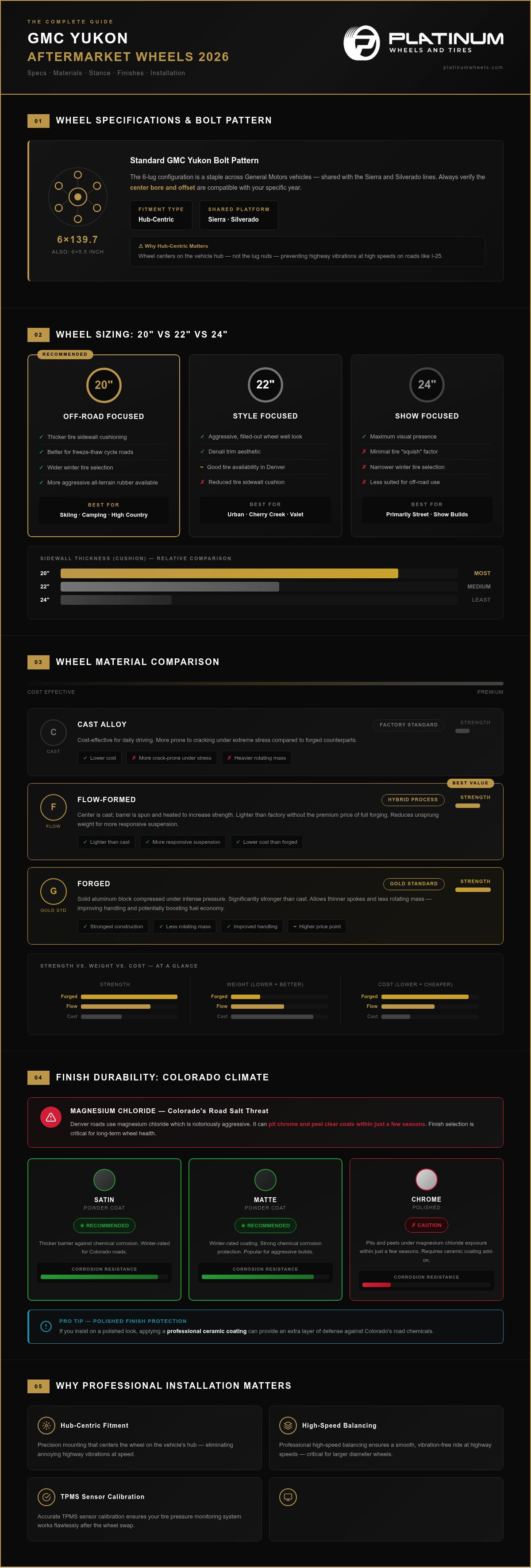
The right set of rims can transform your GMC Yukon from a standard family hauler into a mountain-ready masterpiece that commands respect from Cherry Creek to Vail. You likely chose your Yukon for its blend of premium luxury and heavy-duty capability, so it’s frustrating when factory wheels feel a bit too generic for the Front Range. Selecting aftermarket gmc yukon wheels isn't just about aesthetics; it's about finding that sweet spot where high-end style meets the grit required for I-70 winter storms.
We know the anxiety of investing in expensive rims only to worry about fitment issues or road salt ruining a delicate finish. This guide will help you navigate those concerns by showing you how to choose wheels that offer both a personalized look and better performance on snow. You'll discover the most durable finishes for our climate, learn how to get the perfect offset for larger tires without rubbing, and see why a professional setup ensures your TPMS sensors and suspension work flawlessly. From aggressive off-road builds to sleek urban designs, we'll help you dial in the perfect stance for your SUV.
Key Takeaways
- Identify the standard 6x139.7 bolt pattern and explore the benefits of stepping up from factory 18-inch rims to larger, more aggressive sizing.
- Compare cast, flow-formed, and forged wheel materials to find the ideal balance between luxury style and high-performance durability.
- Discover how to use leveling kits and specific wheel offsets to achieve a bold stance while preventing any suspension rubbing.
- Select the best gmc yukon wheels and finishes that can withstand Colorado’s road salt while maintaining a high-end look.
- Prioritize professional installation to ensure precision mounting, high-speed balancing, and accurate TPMS sensor calibration for a smooth ride.
GMC Yukon Wheel Specifications: Bolt Patterns and Sizing for 2026
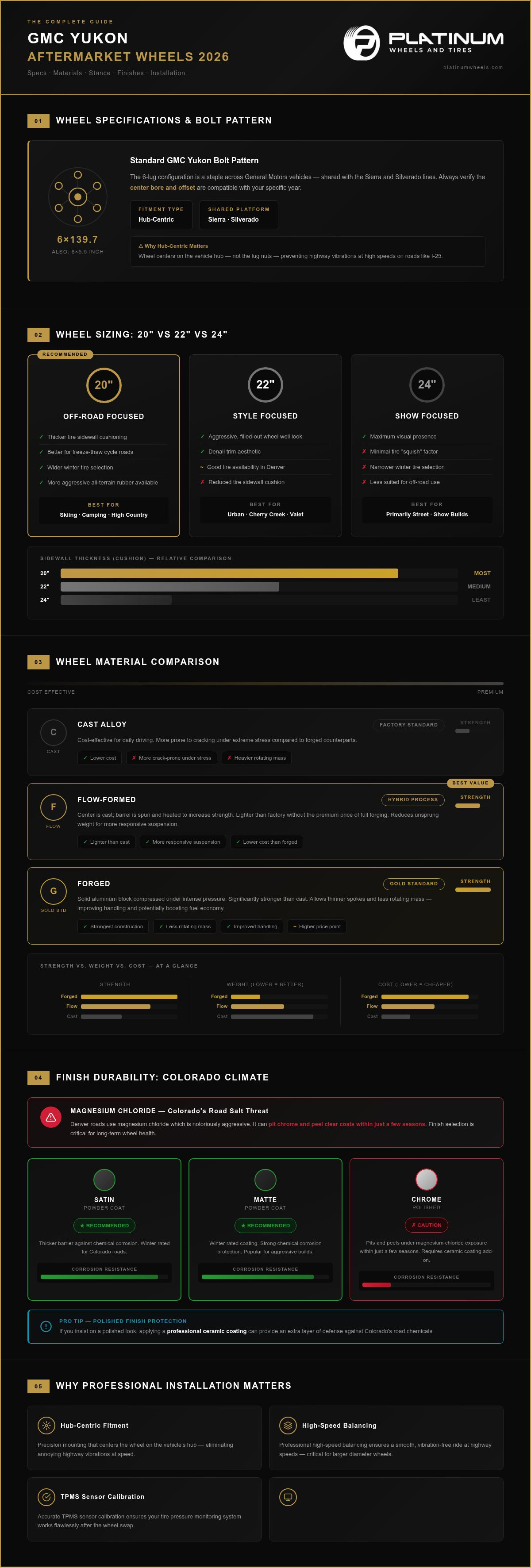
Choosing gmc yukon wheels starts with the heavy-duty specs of this full-size SUV. A Yukon XL isn't a sedan; it carries significant weight and requires wheels with a high load rating to handle the stress of mountain grades. You must ensure the wheel is hub-centric. This means the wheel centers itself on the vehicle's hub rather than just the lug nuts. This design prevents the annoying highway vibrations often felt at high speeds on I-25. Professional installers always prioritize hub-centric fitment to maintain factory-level stability and safety.
The 6x139.7 Bolt Pattern Explained
The standard GMC Yukon bolt pattern is 6x139.7, which is also commonly referred to as a 6x5.5 inch pattern. This six-lug configuration is a staple for General Motors, shared across the Sierra and Silverado lines. While this makes the market for gmc yukon wheels vast, don't assume every six-lug wheel fits. You need to verify that the center bore and offset are compatible with your specific year. Using the correct pattern ensures the wheel seats flush against the rotor. This provides the structural integrity needed for towing or navigating steep trailheads near Morrison.
Sizing Up: 20-inch vs. 22-inch Wheels
Deciding between 20-inch and 22-inch rims usually comes down to how you use your SUV. If you spend your weekends heading to the high country for skiing or camping, 20-inch wheels are often the superior choice. They allow for a thicker tire sidewall. This extra rubber acts as a natural cushion against potholes and jagged rocks on unpaved roads. It also provides a more comfortable ride when the pavement gets rough during a Colorado freeze-thaw cycle.
For those who prefer the high-end aesthetic of the Denali trim, 22-inch or even 24-inch wheels offer a more aggressive, filled-out look in the wheel wells. While these larger diameters look incredible at a valet stand in Cherry Creek, they do limit your tire's "squish" factor. In Denver, tire availability is generally excellent for both 20 and 22-inch sizes. However, you'll find a wider selection of dedicated winter tires and aggressive all-terrain rubber in the 20-inch category. Think about your priority: is it the sleek, low-profile street look or the rugged capability needed for a blizzard on Loveland Pass?
Performance vs. Style: Selecting the Best Wheel Material
Choosing the right material for your gmc yukon wheels is a balancing act between long-term durability and the high-end appearance you expect from a premium SUV. While factory wheels are typically cast alloy, many owners look to upgrade to flow-formed or forged options to better handle the demands of the Front Range. Selecting the right construction is about more than just aesthetics; it directly impacts how your vehicle reacts to road imperfections and heavy loads. For a deeper dive into these technical options, check out our custom wheels and rims guide for local truck and SUV owners.
Forged vs. Cast Alloy Wheels
Forged wheels represent the gold standard for high-end Yukons. By compressing a solid block of aluminum under intense pressure, manufacturers create a wheel that is significantly stronger than a traditional cast rim. This allows for thinner spokes and less rotating mass, which improves your Yukon’s handling and can even provide a slight boost to fuel economy. While cast alloy wheels are cost-effective for daily driving, they are more prone to cracking under extreme stress compared to their forged counterparts.
Flow-forming sits in the middle, offering a hybrid process where the wheel center is cast and the barrel is spun and heated to increase strength. It's a fantastic value for Yukon owners who want a lighter wheel than factory without the higher price tag of full forging. Lighter wheels reduce unsprung weight. This makes your suspension more responsive when you hit a series of washboard ruts on a mountain pass or navigate the uneven pavement of downtown Denver.
Durability in the Colorado Climate
Colorado winters present a unique challenge for high-end finishes. The magnesium chloride used on Denver roads is notoriously aggressive. It often pits chrome and peels clear coats within just a few seasons. We recommend choosing winter-rated finishes like satin or matte powder coatings. These offer a thicker barrier against chemical corrosion. For those who insist on a polished look, applying a professional ceramic coating can provide an extra layer of defense.
Adhering to federal tire and wheel safety guidelines ensures that your chosen material and finish don't just look good but maintain structural integrity through years of temperature swings. If you're ready to see these finishes in person, come chat with us about building your perfect wheel and tire packages. We can help you pick a finish that stays sharp despite the slush and salt.
Achieving the Perfect Stance: Offset and Leveling Kits
Finding the right gmc yukon wheels is only half the battle. To get that aggressive, custom look you see on the streets of Denver, you have to understand the relationship between wheel offset and suspension. Stance isn't just about looks. It's about ensuring your SUV handles correctly whether you're cruising down Speer Boulevard or climbing toward a trailhead. If you don't get the measurements right, you risk tires rubbing against your wheel liners or, even worse, damaging expensive suspension components during a tight turn.
The Role of Wheel Offset in SUV Stance
Offset is often the most misunderstood part of wheel fitment. It determines where the wheel sits in relation to the hub. Most factory rims have a high positive offset, which keeps the tires tucked deep inside the wheel wells. To achieve a "flush" look where the tire edge aligns perfectly with the fender, you'll need to move toward a lower positive or even a zero offset. Changing the offset of your gmc yukon wheels shifts the center of gravity and alters the visual width of the vehicle, providing a more planted and muscular appearance. However, be careful with extreme negative offsets. Pushing the wheels out too far puts extra leverage on your wheel bearings and can lead to premature wear over time.
Backspacing is another critical measurement that works alongside offset. It measures the distance from the mounting surface to the back edge of the wheel. This is the spec that prevents your tires from hitting the control arms or brake calipers. According to GMC Yukon specifications and reviews, the modern suspension geometry on these SUVs is tight. This leaves little room for error when choosing aftermarket rims, especially on higher trim levels with larger brake packages.
Why Leveling Your Yukon Changes Your Wheel Options
If you want to run larger tires like a 33-inch or 35-inch setup, a leveling kit is almost mandatory. Most Yukons come from the factory with a "rake," meaning the front sits about two inches lower than the rear. This is designed for heavy towing, but it limits your front-end wheel clearance. A 2-inch leveling kit raises the front to match the rear, creating a balanced profile and opening up space for more aggressive wheel options. Deciding between a leveling kit vs lift kit depends on your ultimate goals, but for most Denver owners, a level provides the best mix of style and daily drivability.
Many modern Yukons, especially Denali and AT4 trims, feature Magnetic Ride Control. We ensure that our leveling solutions work in harmony with these sophisticated sensors. You don't have to sacrifice that cloud-like ride quality just to get a better stance. By combining a precise offset with a high-quality leveling kit, you get an SUV that looks custom and performs flawlessly in Colorado's diverse driving conditions.
Top Yukon Wheel Styles and Finishes for 2026
The GMC Yukon features massive body lines and a commanding presence that requires a wheel design with enough visual weight to match. Selecting the right style for your gmc yukon wheels is about more than just picking a color; it's about complementing the specific trim and persona of your SUV. Whether you're aiming for the rugged, blackout look of an AT4 or the refined, high-chrome brilliance of a Denali Ultimate, the finish you choose must also stand up to the harsh realities of Colorado driving.
Trending Finishes in the Front Range
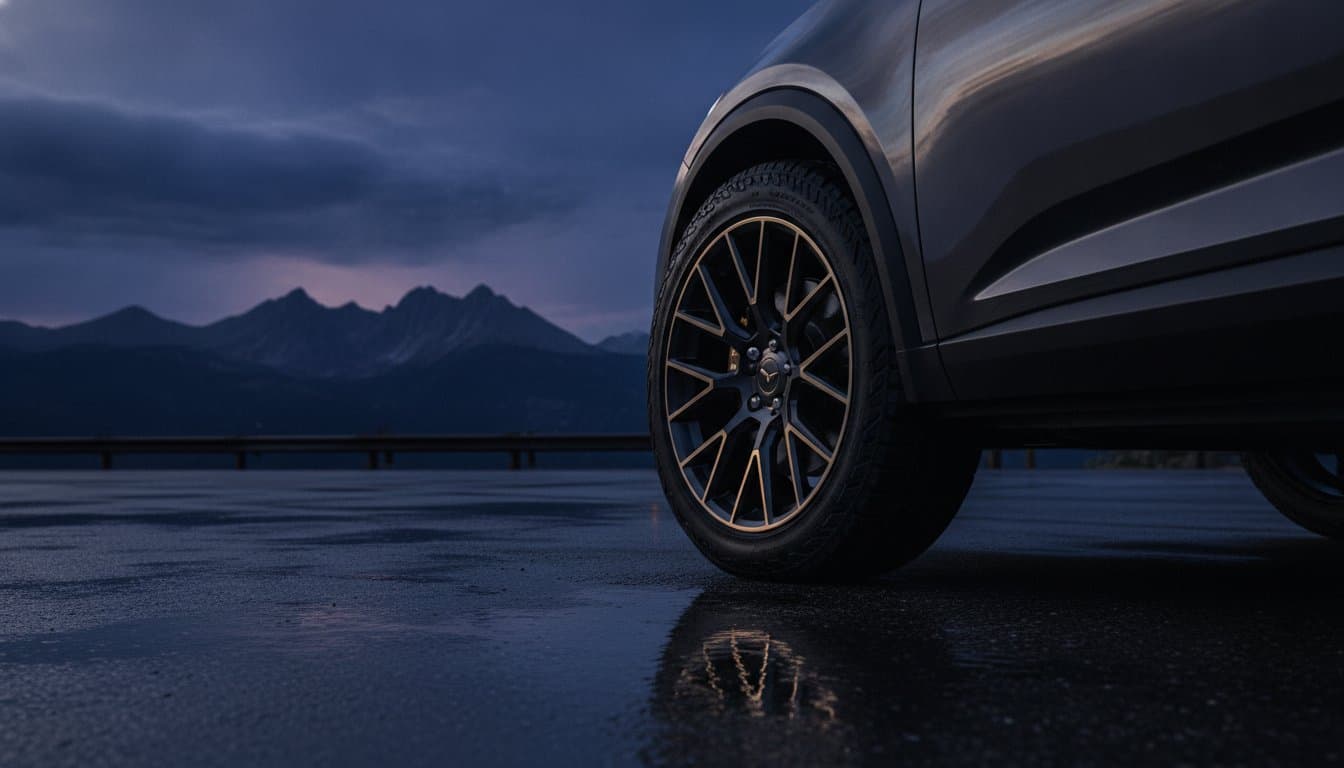
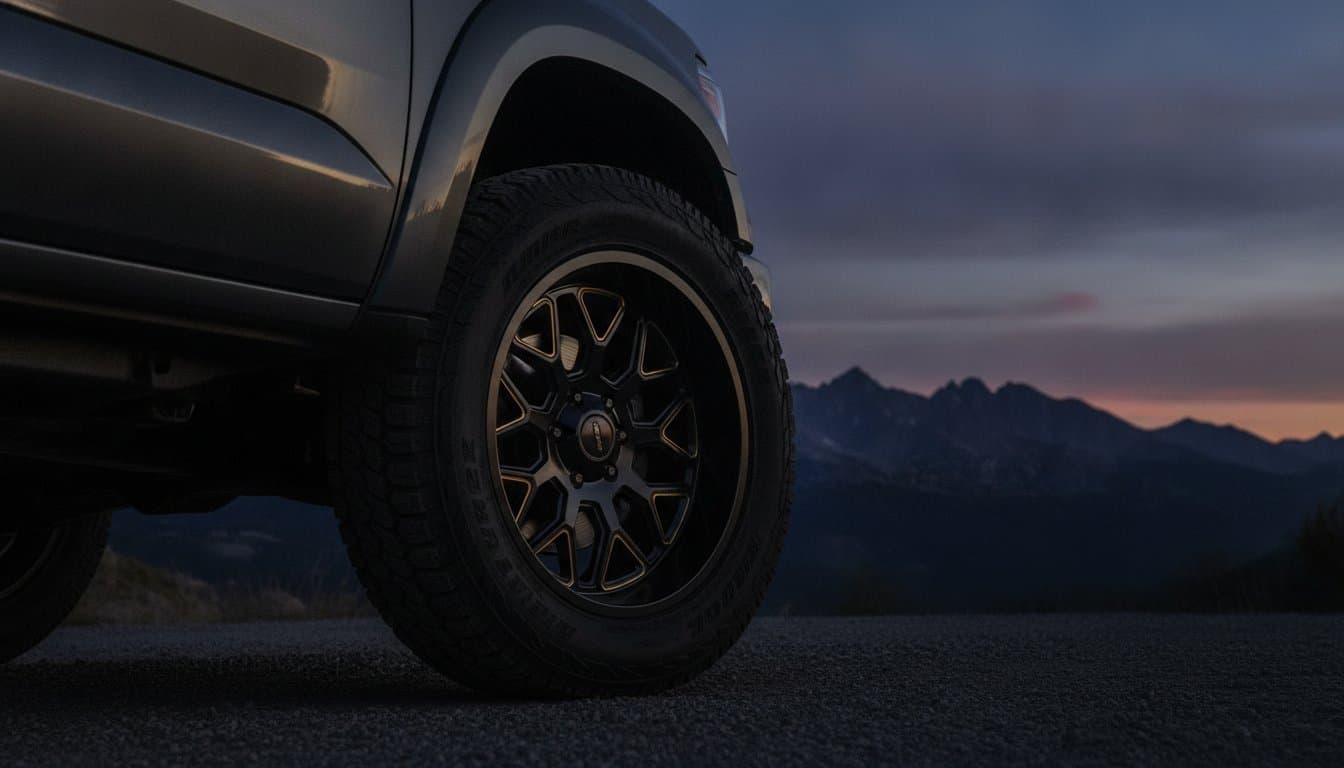
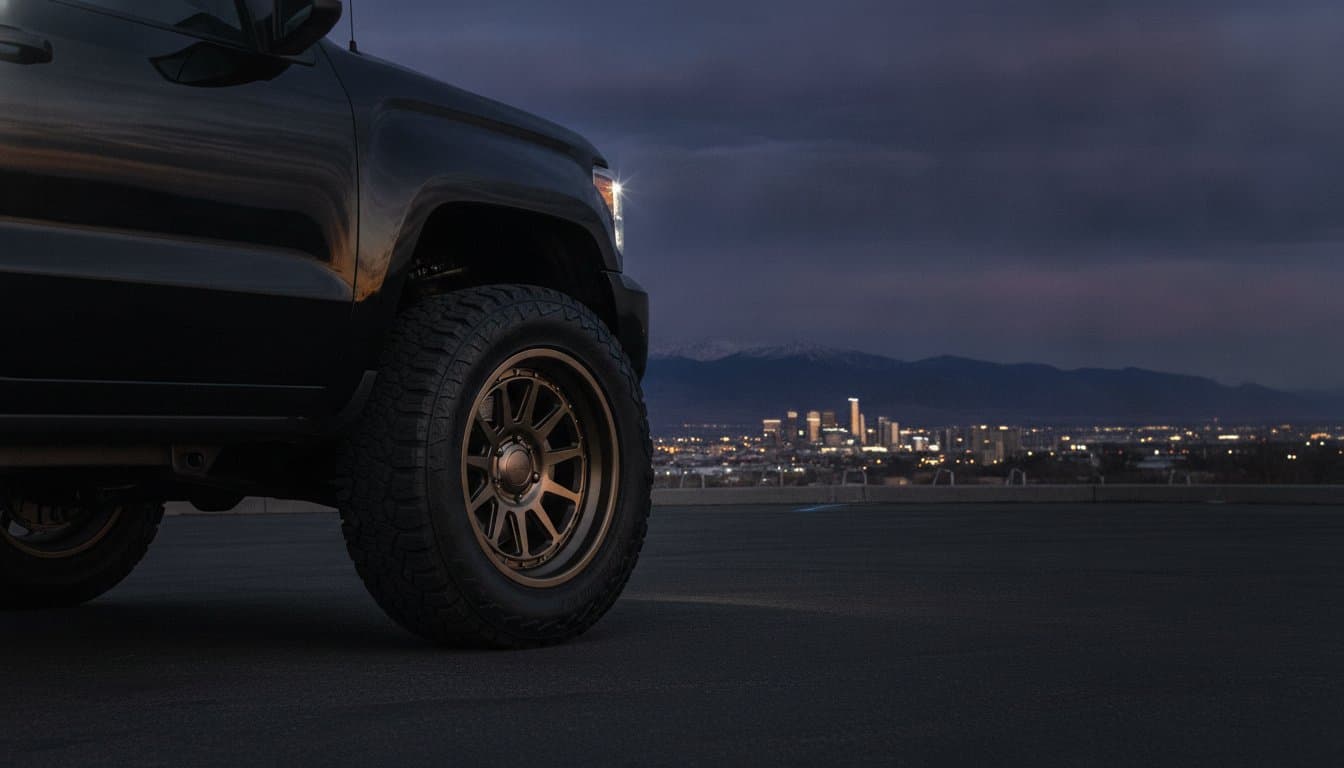
Blacked-out setups remain the most popular choice in Denver, but the debate between satin and gloss black is ongoing. Gloss black offers a deep, mirror-like reflection that looks incredible when clean, though it tends to show fine scratches and road grime more easily. Satin black provides a muted, sophisticated sheen that hides brake dust and trail salt much better. This makes it a practical choice for those who frequently head into the mountains. We're also seeing a massive surge in bronze and anthracite finishes. These earthy, metallic tones provide a perfect "mountain-luxury" aesthetic that pops against GMC's factory paint codes like White Frost Tricoat or Onyx Black.
If you love the classic look of chrome but fear the pitting caused by magnesium chloride, consider PVD (Physical Vapor Deposition) chrome. Unlike traditional electroplated chrome, PVD is a powder-coated process that is significantly more resistant to winter chemicals. It gives you that brilliant Denali shine without the heartbreak of peeling or bubbling after a single season on I-70. Using a high-quality finish ensures your investment stays sharp for years.
Design Compatibility for Different Trims
The design of the wheel should mirror the "vibe" of your specific Yukon trim. For the AT4, we often recommend mesh or split-spoke designs. These styles look more industrial and rugged, especially when paired with an aggressive all-terrain tire. Conversely, the Denali and Denali Ultimate trims benefit from elegant, multi-spoke designs. These intricate patterns fill out the wheel well and provide a sense of movement even when the vehicle is parked at a Cherry Creek valet.
Choosing the right design also impacts how easy it is to clean your wheels after a snowstorm. Mesh designs have more nooks and crannies where salt can hide, while simple five or six-spoke designs are much easier to wipe down. To see how these different styles look in person, explore our aftermarket wheel and tire packages to find the perfect match for your SUV's personality. If you're ready to upgrade your stance, view our latest custom wheel arrivals and let us help you find a finish that thrives in the Colorado climate.
Why Professional Installation is Non-Negotiable for Yukons
Buying high-end gmc yukon wheels is a significant investment. Don't undermine that upgrade with a subpar installation. Modern full-size SUVs are packed with sophisticated technology that requires more than just a standard lug wrench to manage. From advanced suspension sensors to complex safety monitoring, your wheel setup must be perfectly integrated to maintain the vehicle's factory standards. Precision is vital because even a minor imbalance becomes a major headache when you're cruising at highway speeds on I-25 toward the mountains.
Expert installation goes far beyond simply stretching rubber over a new rim. We prioritize high-speed balancing and verify the specific lug nut seat compatibility for every rim we install. Many aftermarket wheels require a different seat type, such as conical or spline, compared to the factory hardware. Using the wrong lugs can lead to the wheel loosening over time. Our technicians verify every torque spec to ensure your Yukon is safe for the steep grades and sharp turns of the Front Range.
TPMS Calibration and Safety
The 2026 GMC Yukon utilizes a highly sensitive Tire Pressure Monitoring System that is crucial for both safety and fuel efficiency. We strongly advise against reusing old sensors when you upgrade to new rims. Seals can degrade, and batteries in older units often fail shortly after being swapped to a new set of gmc yukon wheels. Installing new tpms sensors ensures your dashboard stays clear of warning lights. Correct tire pressure is especially important for Yukons equipped with advanced traction control, as these systems rely on precise data to function correctly in snowy conditions.
The Platinum Wheels Advantage in Denver
We aren't a general repair shop; we are specialized fitment experts. Our focus is exclusively on the unique requirements of trucks and SUVs in the Denver area. We understand how the drastic temperature swings in Colorado affect tire pressure and wheel expansion. Whether you are coming from Aurora, Littleton, or Castle Rock, we provide the consultative approach needed to get your fitment right the first time. We take pride in being a local, independent business that treats every SUV like it's our own.
We don't just sell parts; we provide the peace of mind that your vehicle is ready for whatever the Rockies throw at it. Book your Yukon fitment consultation at Platinum Wheels today! Our team is ready to help you dial in the perfect combination of style, safety, and performance for your next mountain adventure.
Ready for the Rockies: Finalize Your Yukon Build
Transforming your SUV into a mountain-ready masterpiece requires more than just picking a design that looks good at the dealership. You now understand that the perfect setup relies on matching the 6x139.7 bolt pattern with a precise offset. This achieves that aggressive, flush stance without sacrificing your wheel bearings. By choosing durable finishes like satin powder coats or PVD chrome, you ensure your gmc yukon wheels remain brilliant despite the relentless magnesium chloride on Denver’s winter roads.
Don’t leave your safety and ride quality to chance with a DIY approach or a general repair shop. Our expert Denver-based installation team specializes in the unique demands of Colorado SUVs. We ensure your TPMS and leveling kit integration are handled with professional precision. We offer specialized wheel and tire packages designed to conquer everything from I-70 blizzards to weekend trailheads. Upgrade Your GMC Yukon with Custom Wheels at Platinum Wheels today and drive with the confidence that your fitment is perfect. We look forward to seeing your build on the road soon!
Frequently Asked Questions
What is the standard wheel size for a GMC Yukon?
Standard factory sizes for the GMC Yukon typically range from 18 inches on base trims to 22 inches on Denali models. Many owners choose to upgrade to 20 or 22-inch aftermarket gmc yukon wheels to achieve a more premium look while maintaining a comfortable amount of tire sidewall. If you plan on sticking with your original tires, ensure your new rims match the factory diameter and width exactly to maintain proper fitment.
Will aftermarket wheels void my GMC Yukon warranty?
Installing aftermarket wheels doesn't automatically void your vehicle warranty. Under the Magnuson-Moss Warranty Act, a dealer must prove that an aftermarket part specifically caused a mechanical failure to deny a warranty claim. While the wheels themselves are covered by the manufacturer's warranty, components like wheel bearings or suspension parts could be scrutinized if you use an extreme offset that puts excessive stress on the vehicle's factory geometry.
Can I put 24-inch wheels on my GMC Yukon without a lift?
You can install 24-inch wheels on a stock GMC Yukon, but it requires careful tire selection to prevent rubbing in the wheel wells. Using a low-profile tire allows the larger rim to fit within the factory clearance. However, this setup significantly reduces the rubber cushion between the rim and the road. For Denver drivers, this makes the ride much firmer and increases the risk of rim damage from deep potholes or hidden curbs.
What is the bolt pattern for a 2026 GMC Yukon?
The bolt pattern for a 2026 GMC Yukon is 6x139.7, which is also referred to as 6x5.5 inches. This is a very common six-lug configuration shared with other General Motors trucks like the Sierra and Silverado. When shopping for gmc yukon wheels, you must also verify the center bore size and load rating. These specs ensure the wheel is hub-centric and capable of supporting the heavy weight of a full-size SUV.
Do I need new TPMS sensors when I buy new wheels?
We highly recommend installing new TPMS sensors when purchasing a new set of wheels. While you can technically swap old sensors, the rubber seals often fail during the transfer, leading to slow air leaks. Additionally, the internal batteries in factory sensors typically last five to seven years. Starting with fresh sensors ensures your safety systems remain accurate and saves you from paying for a second installation down the road.
What wheel offset is best for a flush look on a Yukon?
Achieving a flush look where the wheel face aligns with the fender usually requires an offset between +10mm and +20mm. Factory wheels typically have a high positive offset, often around +24mm to +31mm, which keeps them tucked inside the wheel well. Moving toward a lower positive offset pushes the wheel outward. The exact number depends on your wheel width, so we always perform a test fitment to ensure there is no rubbing.
How do I protect my custom wheels from Colorado road salt?
Protecting your investment from Colorado’s magnesium chloride starts with choosing the right finish. We recommend satin or matte powder-coated finishes over traditional chrome, as they are much more resistant to chemical pitting. Regularly washing your wheels during the winter months to remove salt buildup is essential. For maximum protection, applying a professional-grade ceramic coating creates a hydrophobic barrier that prevents corrosive salt from bonding to the surface of the metal.
Is a leveling kit necessary for aftermarket GMC Yukon wheels?
A leveling kit isn't strictly necessary if you are staying close to factory wheel and tire dimensions. However, it is highly recommended if you want to run 33-inch or larger tires without trimming your wheel liners. A leveling kit eliminates the factory rake, raising the front of the Yukon to match the rear height. This creates additional clearance and provides the balanced, aggressive profile that many Denver SUV owners are looking for.