2026 Truck Leveling Kit Guide for Colorado Owners
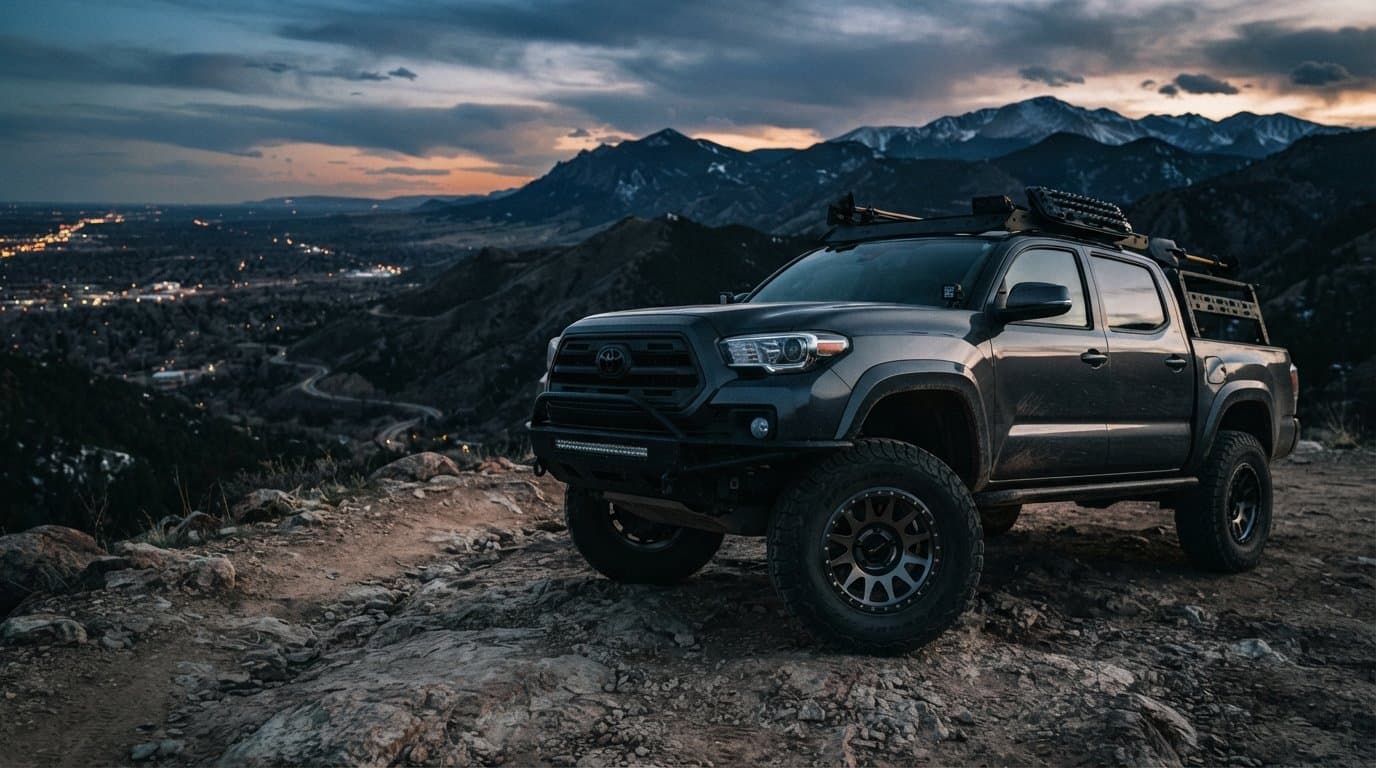
That factory nose-down rake isn't just an eyesore; it's a clearance liability the moment you turn off I-70 and head into the high country. Most owners find that a professional truck leveling kit installation is the only way to reclaim their truck's potential and clear the obstacles found on Colorado's backroads. You likely bought your rig to handle the rugged beauty of the Rockies, but the standard stance leaves your front bumper vulnerable and limits you to modest tire sizes. It's frustrating to feel held back by a few inches of steel when the trail gets technical or you're worried about tires rubbing on a steep mountain switchback.
We believe your vehicle should be as capable as it looks. This guide will walk you through the technical nuances of leveling your suspension, ensuring you achieve that perfect stance without sacrificing the safety or geometry required for our demanding terrain. You'll learn how to master the process, navigate 2026 equipment trends, and discover how to clear 35-inch tires while maintaining a smooth, reliable ride quality for every mountain pass. We'll also cover the essential local regulations, from headlight height limits to bumper safety, so you can drive with total peace of mind.
Key Takeaways
- Understand how correcting factory rake provides the vital ground clearance needed for off-roading in the Rockies while improving your truck's stance.
- Compare strut extensions and coil spring spacers to determine which leveling solution maintains your specific vehicle's ride quality and suspension geometry.
- Learn why professional truck leveling kit installation is the safest way to navigate the challenges of seized bolts and compressed springs common in Colorado.
- Calculate the ideal wheel offset and backspacing to clear 33 or 35-inch tires without expensive modifications or annoying tire rub.
- Discover how to properly recalibrate your TPMS sensors and adjust headlight alignment to keep your upgraded rig street-legal and safe for mountain driving.
What is a Truck Leveling Kit? Correcting Factory Rake for the Front Range
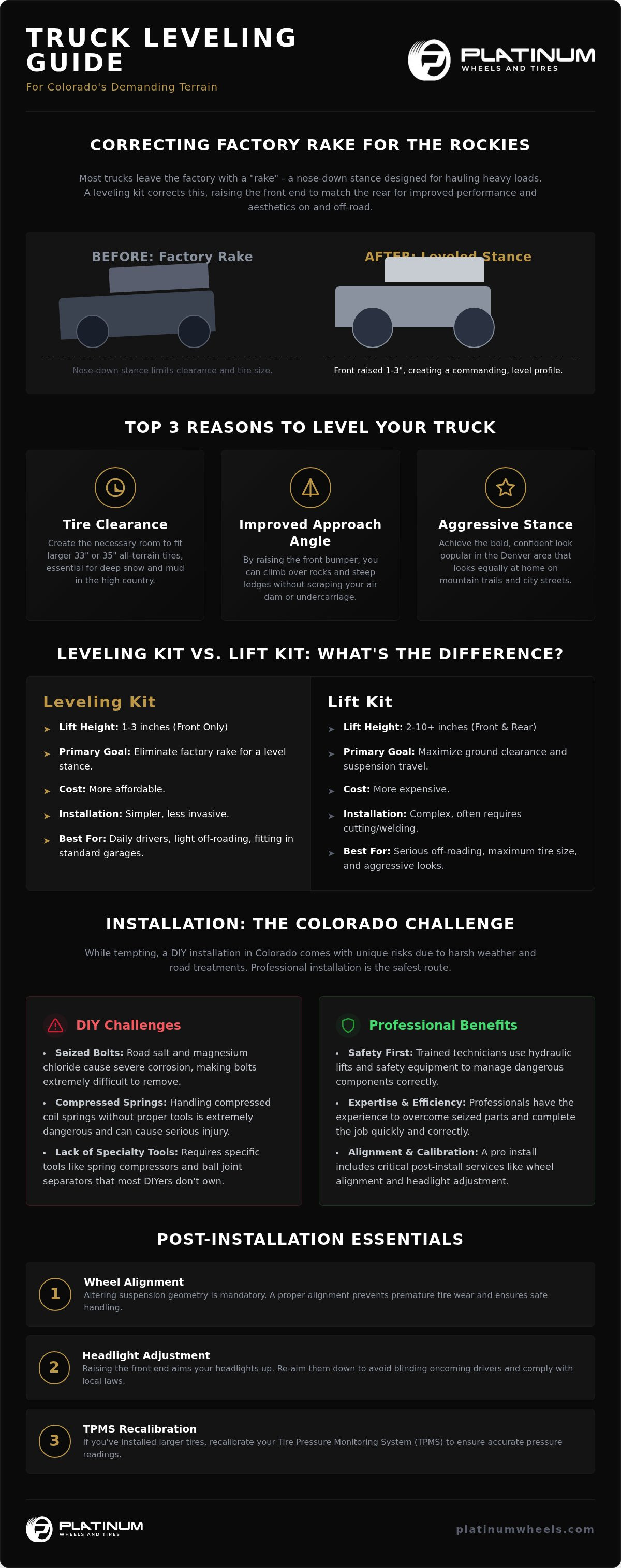
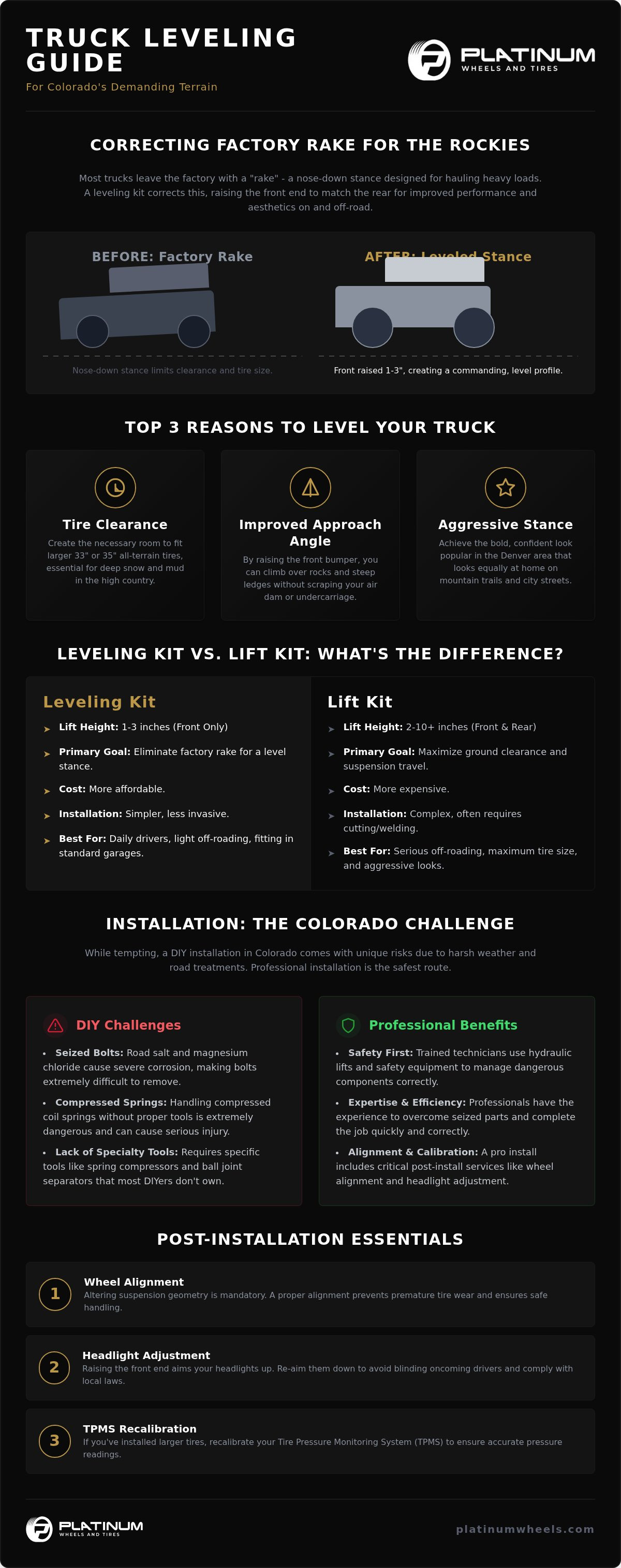
Most modern pickups from manufacturers like Ford, Chevy, and RAM leave the factory with a noticeable nose-down stance. This design, known as "rake," isn't a mistake. Engineers intentionally set the rear suspension higher than the front to compensate for heavy cargo or trailer tongue weight. When you fill the bed or hitch up a camper, the rear compresses, and the truck sits level. However, for many Colorado owners who spend more time on mountain passes than hauling gravel, this rake is an aesthetic and functional hurdle. A truck leveling kit installation raises the front of the vehicle by one to three inches, bringing it into perfect alignment with the rear.
While often grouped under the broader umbrella of a Suspension lift, a leveling kit is a specialized modification. It focuses specifically on the front end to eliminate that dipping profile. This adjustment does more than just fix the "stinkbug" look. It shifts the truck's center of gravity slightly and changes how the vehicle approaches obstacles. For drivers navigating the tight curves of the Front Range, maintaining a lower overall height than a full lift kit often results in more predictable handling and better stability during high-altitude maneuvers.
Why Colorado Truck Owners Choose Leveling
Living in the Rockies demands more from your suspension than a flat highway drive. Local enthusiasts prioritize leveling for three main reasons:
- Tire Clearance: Leveling provides the necessary room to fit 33-inch or 35-inch all-terrain tires, which are essential for navigating deep snow and mud in the high country.
- Approach Angles: By raising the front bumper, you significantly improve your truck's ability to climb over rocks or steep ledges without scraping your air dam.
- The Denver Stance: There's a distinct culture in the Denver metro area that favors a bold, aggressive look that looks just as good at the trailhead as it does in the city.
Leveling Kit vs. Lift Kit: A Quick Comparison
Deciding between a leveling kit vs lift kit often comes down to your primary use case and budget. Leveling kits are generally the entry point to customization because they're more affordable and less complex to install than full suspension lifts. They allow you to maintain much of the factory ride quality while gaining ground clearance. If you use your truck as a daily driver but want better off-road capability, a truck leveling kit installation is often the smarter choice. It preserves your ability to park in standard Denver garages while still giving you the clearance needed for weekend adventures. Keep in mind that while leveling improves clearance, it doesn't significantly change your payload capacity; you'll still need to be mindful of how much weight you put in the bed to avoid "squatting" on the road.
Types of Truck Leveling Kits: Choosing the Right Hardware
Selecting the right hardware for your truck leveling kit installation is about more than just height; it's about matching the components to your vehicle's specific suspension architecture. Every truck brand uses a different mechanical setup to manage the front end, which means the "best" kit for a Ford F-150 isn't the same as the one for a heavy-duty RAM. Choosing the wrong hardware can lead to a stiff ride or, worse, premature wear on your ball joints and CV axles. Before you commit to a purchase, you need to understand how these different systems interact with your rig's factory geometry.
Strut Spacers: Pros and Cons
Strut extensions, or spacers, are the most popular choice for modern half-ton trucks like the Toyota Tacoma or Ford F-150. These kits sit directly on top of your factory strut assembly, effectively pushing the entire assembly down to raise the body. While they are incredibly cost-effective, they do have limitations. Because you're extending the assembly without changing the internal spring rate, you might lose some "down-travel," which can make the suspension feel harsh when hitting deep potholes on Denver streets. We always recommend choosing high-quality CNC-machined aluminum or heavy-duty steel spacers over cheaper polyurethane versions. Plastic spacers can degrade or crack over time when exposed to Colorado's extreme temperature swings and road salts.
Torsion Keys and Coil Upgrades
If you drive a heavy-duty Silverado or an older RAM, your truck likely uses torsion bars rather than coil springs. In these cases, we use forged torsion keys to "re-index" your factory bars. This provides the lift you want without requiring a full suspension overhaul. However, it's a delicate balance; cranking these keys too far can put extreme angles on your CV axles, leading to torn boots and expensive repairs. For those seeking the ultimate in performance, adjustable struts or full coilovers are the premium way to level. These systems replace the factory shock and spring entirely, allowing you to fine-tune the height while significantly improving off-road damping for those weekend trips into the backcountry.
Regardless of the hardware you choose, staying within the legal limits is essential for safety and compliance. You should familiarize yourself with Colorado vehicle modification laws to ensure your new stance doesn't result in a citation. If you aren't sure which hardware fits your driving style, it's often best to consult with a suspension specialist who understands the specific demands of Front Range driving. Getting the fitment right the first time saves you from the headache of a "death wobble" or accelerated tire wear down the road.
The Step-by-Step Truck Leveling Kit Installation Process
A professional truck leveling kit installation is a methodical procedure that demands mechanical precision and the right environment. Before you even loosen a lug nut, you must establish a baseline. We start by measuring the current ride height from the center of the wheel hub to the bottom of the fender flare on all four corners. Recording these numbers is the only way to verify the exact amount of lift achieved once the new hardware is integrated. Without this data, you're just guessing at your alignment specs and clearance gains.
The disassembly phase is where the technical challenge begins. After the truck is safely secured on high-capacity stands, we remove the front wheels and disconnect the sway bar end links to allow the suspension to droop. On most modern half-ton rigs, this involves unbolting the upper ball joint from the steering knuckle. This step provides the necessary clearance to remove the factory strut assembly or coil spring. If your kit uses spacers, they are bolted directly to the top of the strut at this stage. For heavy-duty trucks, this is when we use a specialized unloading tool to swap the factory torsion keys for the new indexed versions.
Essential Tools for a Successful Install
Precision requires more than a standard socket set. You need heavy-duty floor jacks and jack stands with a high-weight rating, ideally three tons or more, to handle the mass of a modern pickup. A calibrated torque wrench is the most critical tool in the shop. It ensures every fastener is tightened to the manufacturer's exact specifications, which prevents suspension failure or "death wobble" on the highway. For kits that require strut disassembly, a professional-grade spring compressor is mandatory. We strongly advise against using cheap, "suicide stick" compressors found at local auto parts stores. The energy stored in a compressed truck spring is immense and can cause severe injury if the tool fails.
The Critical Final Steps
Reassembly is a two-stage process. We perform a preliminary tightening while the truck is still in the air to ensure all components are seated correctly. However, the final torquing of the control arm bolts and strut mounts must only happen once the vehicle is back on the ground under its own weight. This prevents the rubber bushings from binding, which would otherwise lead to a stiff ride and premature bushing failure.
Suspension settling is the natural adjustment of components under vehicle weight. Because of this, we enforce a strict 50-mile re-torque rule. After driving your leveled truck for about 50 miles on Denver's varied road surfaces, every fastener must be checked and tightened again. This ensures that as the parts have nested into their final positions, no bolts have loosened due to vibration or the initial movement of the new hardware.
DIY vs. Professional Installation: The Colorado Challenge
The allure of a weekend project in the garage is strong, but the reality of a truck leveling kit installation in Colorado often includes challenges you won't find in a sunny California DIY video. Our region is effectively the "Rust Belt of the Rockies." Between the heavy use of magnesium chloride on I-70 and the road salt used throughout the Denver metro area, suspension bolts often become chemically welded to the frame. Without commercial-grade heat torches or high-torque pneumatic impact guns, a simple two-hour job can quickly turn into a multi-day ordeal involving broken bolts and sheer frustration.
Safety is another factor that shouldn't be ignored. As we discussed in the previous section, managing compressed springs is inherently dangerous. If a floor jack slips or a cheap spring compressor fails in your driveway, the results are catastrophic. Beyond the immediate physical risk, there's the long-term health of your vehicle to consider. Many factory warranties are specific about suspension modifications. While the law generally protects you, a dealership might deny a claim for a failed ball joint or CV axle if they can prove a DIY install was performed incorrectly or caused secondary damage.
Why Professional Installation Wins in Denver
Choosing a specialist shop means you're benefiting from thousands of hours of experience with truck lift kits and leveling systems. We understand how the thin mountain air and steep grades affect your vehicle's cooling and braking systems when the geometry changes. Our technicians ensure every component is torqued to survive the vibrations of washboard roads and high-speed mountain passes. It's about more than just height; it's about the peace of mind that comes with knowing your front end is secure when you're descending a steep 6 percent grade on a snowy afternoon.
The 'Hidden' Necessity: Professional Alignment
Every single truck leveling kit installation requires a computer-aided alignment immediately after the hardware is bolted on. When you raise the front end, you're fundamentally altering the caster, camber, and toe settings of your steering rack. If you skip this step, you'll likely experience a "pull" in the steering wheel and accelerated, uneven wear on your expensive all terrain tires. A professional alignment restores the steering feel and ensures your safety systems, like lane-keep assist and electronic stability control, function exactly as the manufacturer intended.
If you want to ensure your rig is trail-ready without the driveway headache, schedule your professional installation with our expert team to get the job done right the first time.
Maximizing Your Upgrade: Wheels, Tires, and TPMS
Completing a truck leveling kit installation is often just the first phase of a total vehicle transformation. Once you've eliminated the factory rake, you've opened the door to larger, more aggressive rubber that can handle the jagged rocks of the San Juan Mountains or the deep drifts on a snowy morning in Castle Rock. However, simply picking the biggest tire on the rack isn't enough. You must account for wheel offset and backspacing to ensure your new setup doesn't rub against the control arms or the inner fender liner when you're at full steering lock.
Wheel offset determines how far the wheel sits inside or outside the wheel well. For most Colorado trucks, a neutral or slightly negative offset provides that wider, more stable stance favored for off-road stability. Pairing your leveling kit with a complete wheel and tire package is the most efficient way to ensure everything fits perfectly from day one. Don't forget the technical details that keep your rig street-legal and safe; you'll need to sync your tpms sensors with the new setup to avoid the persistent dash light headache that often follows a wheel swap.
Fitting 33s and 35s in Denver
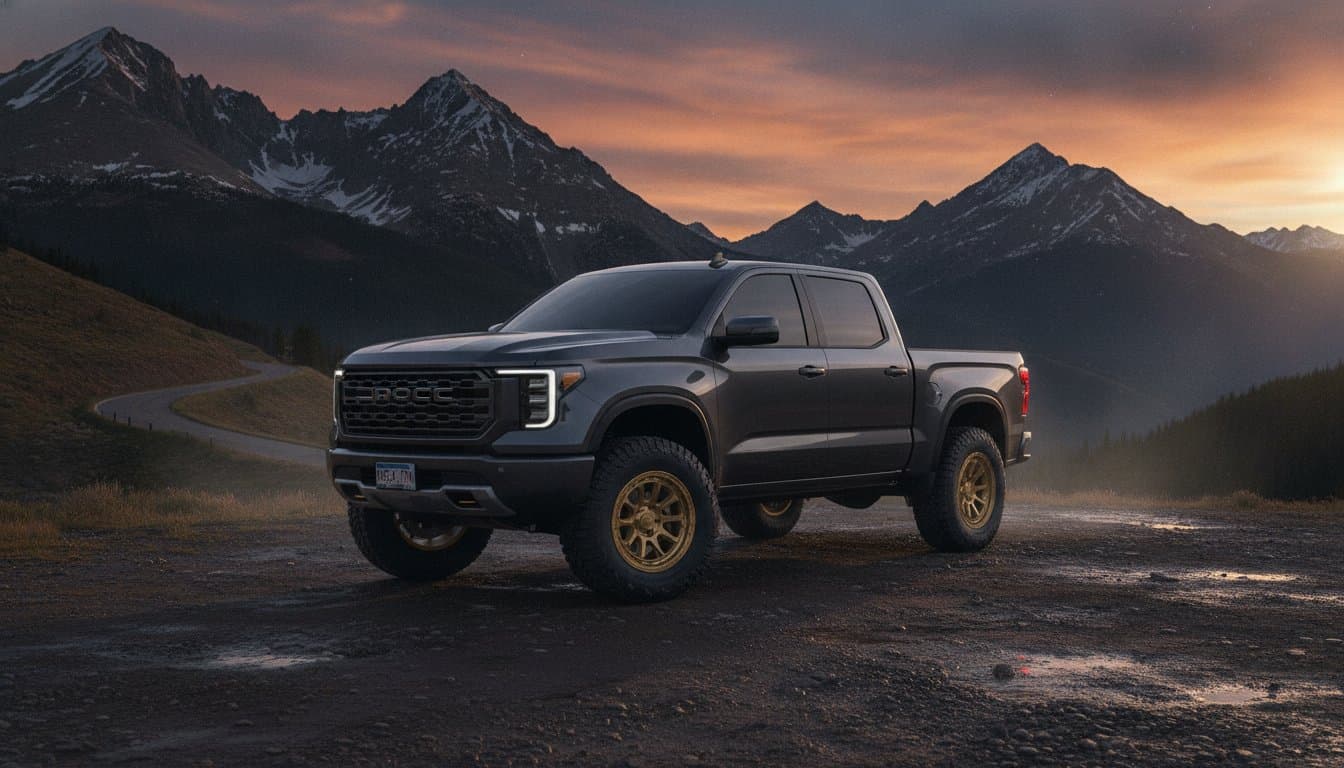
Most half-ton trucks like the Ford F-150 and Chevy Silverado can comfortably clear 33-inch tires with a standard two-inch leveling kit. If you're aiming for 35s, the math gets tighter. On a Toyota Tacoma, for example, 35-inch tires often require minor trimming of the plastic inner liner or a "cab mount chop" to prevent rubbing during suspension compression. We specialize in finding the "sweet spot" where you get the maximum tire size possible without compromising the structural integrity of your fenders. Consulting with our team ensures you get the aggressive look you want without the annoying "scrub" every time you pull into a parking spot.
Ready for the Trails? Book Your Install
We take pride in being the premier choice for aftermarket wheel and tire packages in the Denver metro area. Our shop isn't just about selling parts; we're about building capable machines that reflect the spirit of the Front Range. We understand the specific demands of high-altitude driving and the rugged conditions of our local trails. When you trust us with your suspension, you're getting expert craftsmanship backed by a team that actually drives these mountains. Schedule your professional leveling kit installation at Platinum Wheels today! We'll handle the technical precision so you can focus on the next adventure.
Level Up Your Colorado Adventures
Your truck was built to explore the Rockies, but that factory rake is holding you back from the clearance and stance you need for the Front Range. We've explored how a professional truck leveling kit installation does more than just improve aesthetics; it recalibrates your suspension for mountain safety and opens the door to 35-inch tires. By choosing the right hardware and insisting on a precise computer alignment, you protect your investment in all-terrain tires and maintain the handling required for high-speed mountain passes.
Don't let seized bolts or geometry guesswork ruin your weekend. Our team specializes in off-road wheel and tire fitment, ensuring your rig is perfectly tuned for Denver's unique driving conditions. We include precise alignment services with every package to ensure your steering remains crisp and your tires wear evenly. Get Your Professional Leveling Kit Installed by Denver's Experts and experience the difference that specialized craftsmanship makes. We look forward to helping you build a truck that's truly trail-ready and capable of conquering any peak in the high country.
Frequently Asked Questions
Will a leveling kit void my truck's manufacturer warranty?
A leveling kit does not automatically void your entire vehicle warranty. Under federal law, a dealership must prove that the aftermarket part caused a specific failure to deny a warranty claim. For example, while they might not cover a worn ball joint directly affected by the lift, your engine, transmission, and electronics remain protected under the original factory terms.
Do I really need an alignment after installing a leveling kit?
Yes, you must get a professional alignment immediately after any truck leveling kit installation. Raising the front end fundamentally alters your vehicle's caster, camber, and toe settings. Skipping this step leads to rapid, uneven tire wear and can cause your truck to pull to one side while driving on the highway or mountain passes.
How much does professional truck leveling kit installation cost in Denver?
The cost of installation depends on the complexity of your truck's suspension and the type of hardware you choose. Basic spacer kits require fewer labor hours than premium coilover systems that replace the entire strut assembly. Most professional shops provide a comprehensive quote that bundles the mechanical labor with the necessary computer alignment to ensure your vehicle is safe and street-legal.
Can I install a leveling kit on my truck by myself?
While DIY installation is possible, it is a high-stakes project that requires specialized heavy-duty tools and significant mechanical knowledge. Colorado's road salts often cause suspension bolts to seize, making the process much more difficult without commercial-grade pneumatic tools. The safety risks associated with compressed springs and proper jack placement make professional installation the preferred choice for most owners.
What is the largest tire size I can fit with a 2-inch leveling kit?
A 2-inch leveling kit generally allows you to fit 33-inch tires on most half-ton trucks without any rubbing issues. You can often step up to 35-inch tires with this lift height, but it typically requires specific wheel offsets or minor trimming of the plastic inner fender liners. Consulting with a fitment expert is the best way to ensure your tires clear the suspension during tight turns.
Will a leveling kit affect my truck's fuel economy or ride quality?
You may notice a slight decrease in fuel economy because leveling your truck changes its aerodynamics and increases wind resistance. Ride quality depends entirely on the hardware you select. Basic spacers maintain your factory spring rate and feel, while upgraded coilovers can actually improve ride quality by providing better damping and control over Colorado's rugged, washboard road surfaces.
How long does it take for a shop to install a leveling kit?
A professional shop can typically complete a truck leveling kit installation in two to four hours. This timeframe includes the mechanical assembly and the mandatory computer alignment. Older trucks with significant rust or vehicles requiring complex torsion key replacements may take longer to ensure every component is safely secured and adjusted to factory specifications.
What happens if I don't re-torque my bolts after a leveling kit installation?
Failing to re-torque your bolts after the first 50 miles can lead to suspension components loosening as they settle under the vehicle's weight. This creates a serious safety hazard and often results in clicking or popping sounds when turning or hitting bumps. Checking every fastener ensures the hardware remains secure through the vibrations and stresses of high-altitude mountain driving.