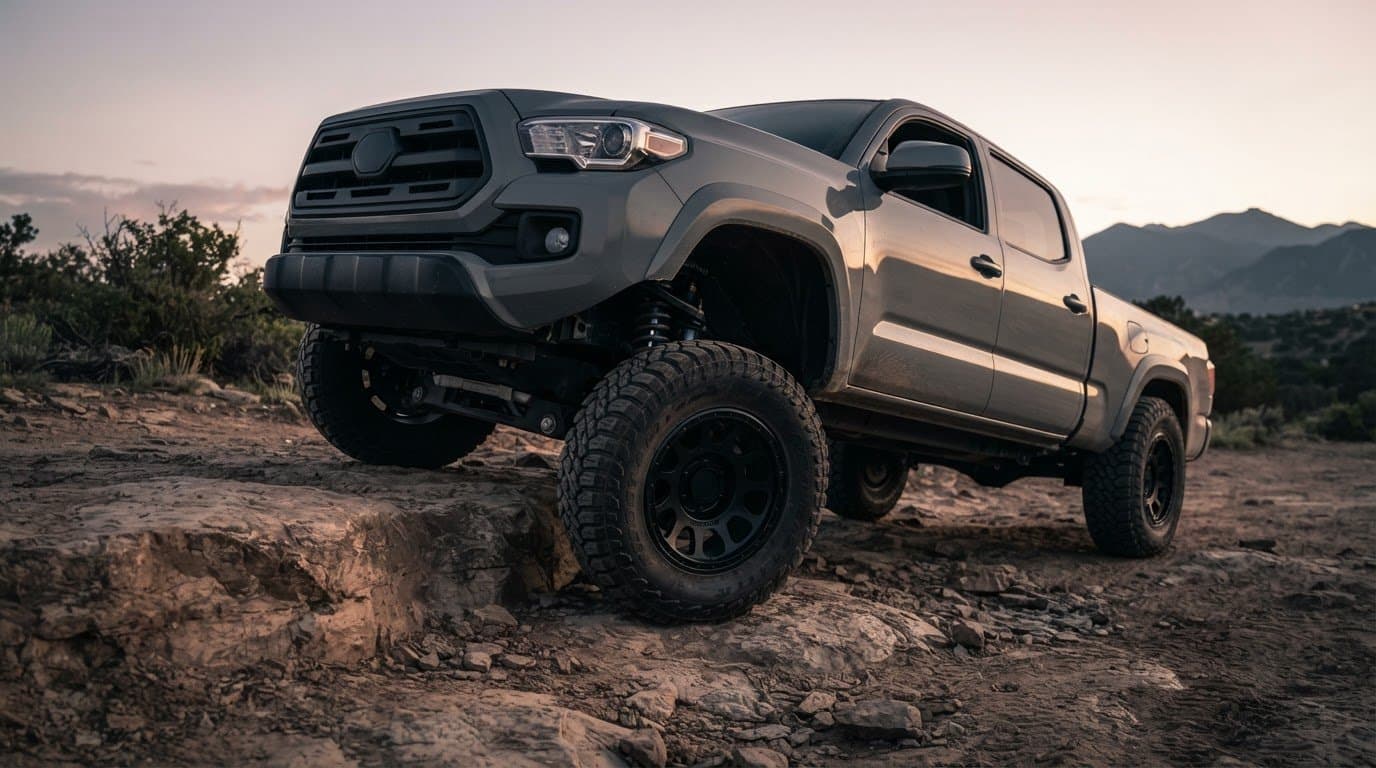
Top Suspension Lift Kits in Denver: Expert Truck Upgrades
The tallest lift isn’t automatically the best off-road build. A suspension lift kit typically provides 2-6+ inches of lift, but the right setup depends on your vehicle’s fitment, the ground clearance you need, suspension travel, and the terrain you plan to tackle.
A suspension lift kit can make room for larger tires and give your truck a more capable stance, especially if you drive beyond paved roads. But lift height alone doesn’t determine how the build performs. The suspension design and your vehicle’s specifications matter, too.
This guide explains how to weigh those factors when choosing an off-road setup in Denver. You’ll learn how vehicle-specific kits differ, what ground clearance and suspension travel contribute, and how your trail plans can shape the right lift. Understanding the trade-offs helps you choose an upgrade that suits your truck and how you use it.
Key Takeaways
- Start with your exact make, model, and year; lift-height options differ across vehicles, so fitment should guide the build.
- Set your tire and terrain goals before choosing a lift, then consider how added clearance relates to suspension travel.
- Match the setup to how you drive, from a leveled stance and mild tire upgrade to regular trail use.
- Plan the suspension, wheels, and tires as a coordinated upgrade, with alignment considered after a lift beyond a spacer.
Vehicle-specific suspension lift kits
Choose a kit around the truck’s exact platform, intended tires, and use. Jeep Wrangler and Ford F-150 options illustrate why fitment matters.
Vehicle-Specific Kit Options
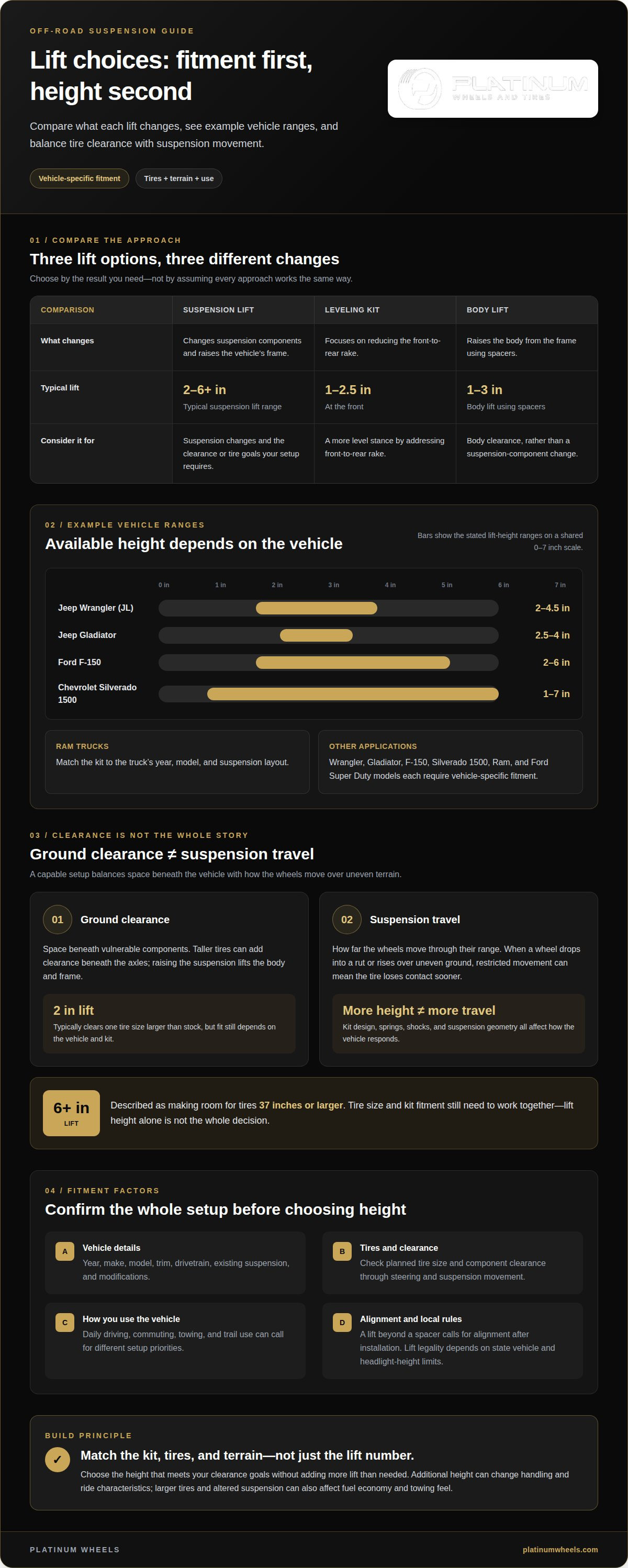
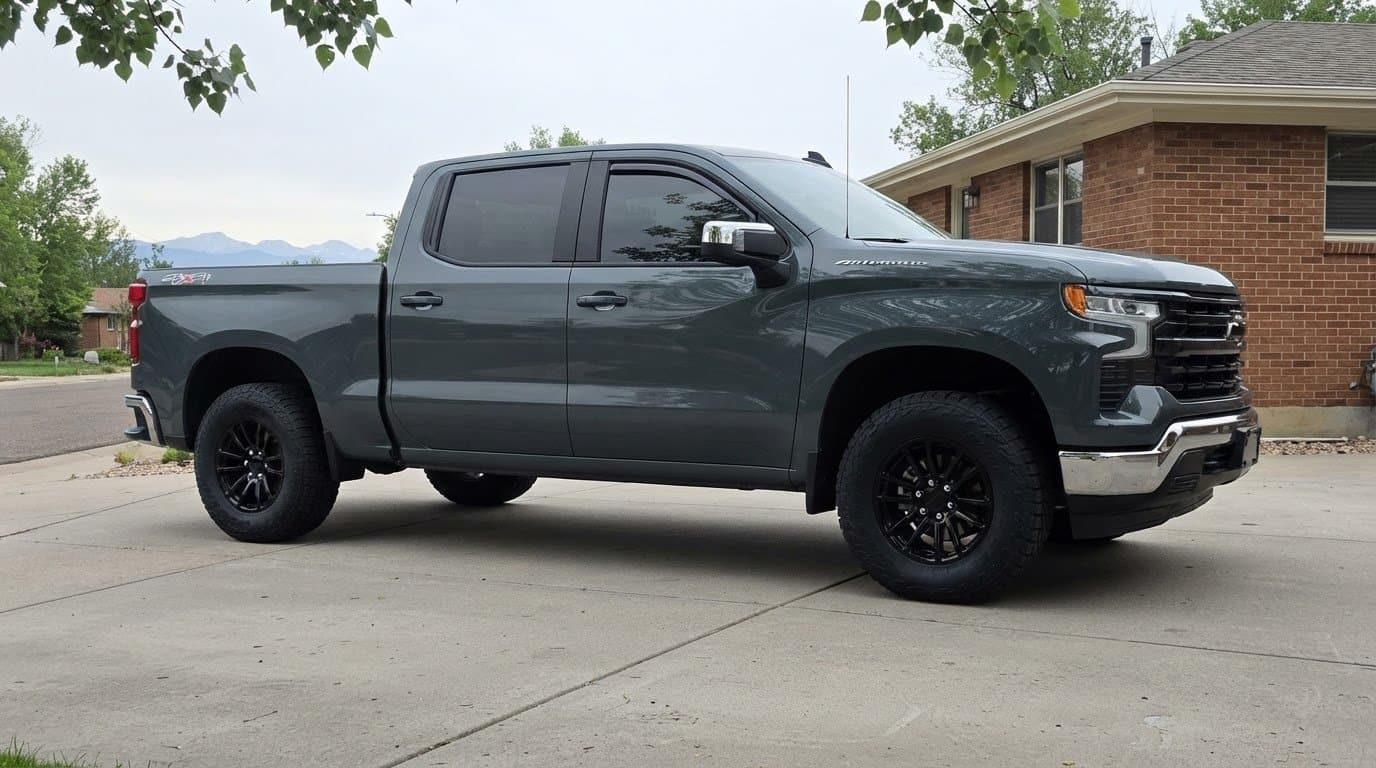
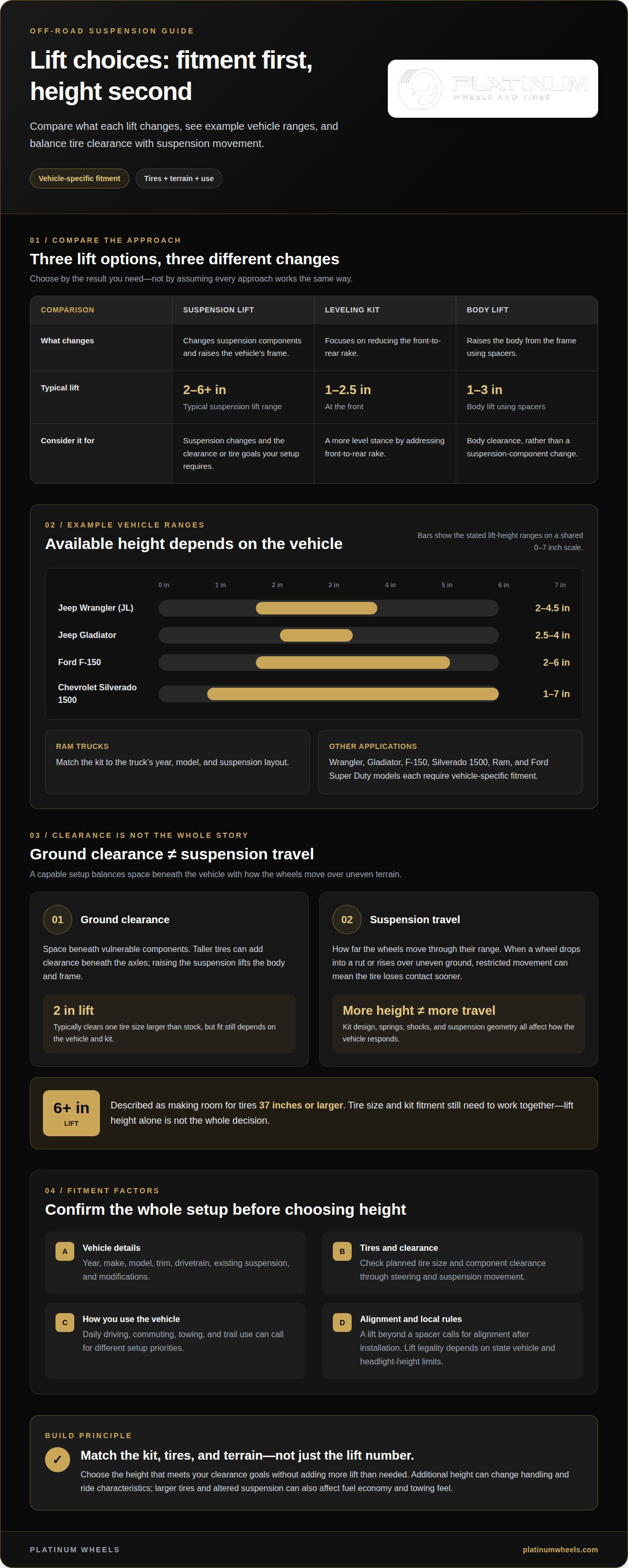
Main types differ by suspension design and components; radius arm kits are one option for compatible trucks. Jeep Wrangler (JL) kits range from 2 to 4.5 inches, while Jeep Gladiator options range from 2.5 to 4 inches. Ford F-150 kits range from 2 to 6 inches, and Chevrolet Silverado 1500 choices range from 1 to 7 inches. Ram owners should match the kit to the truck’s year, model, and suspension layout.
Lift Height and Tire Choices
For daily driving, choose a height that meets tire-clearance goals without adding more lift than needed. Off-road use may call for additional clearance, while towing requires a setup selected for the truck’s work demands, not appearance alone. A 6+ inch lift is described as making room for tires 37 inches or larger. Tire size and kit fitment must work together to avoid treating lift height as the only decision.
Lift Kit Comparisons
A suspension lift changes suspension components and raises the vehicle’s frame; a leveling kit focuses on reducing the front-to-rear rake. Leveling kits typically provide 1-2.5 inches of front lift. A body lift raises the body from the frame using spacers, typically by 1-3 inches. Choose based on whether the goal is suspension changes, a more level stance, or body clearance, rather than assuming these approaches deliver the same result.
For installation, the kit should match your vehicle’s year, make, model, trim, drivetrain, and existing modifications. A professional then installs the specified components and aligns the vehicle. Ask how fitment is confirmed and alignment is handled. In the United States, lift legality depends on state vehicle and headlight-height limits, so applicable state rules matter.
Added height changes vehicle handling and ride characteristics. Larger tires and altered suspension can also affect fuel economy and towing feel. The U.S. Government Publishing Office notes that, with identical suspension properties, taller, narrower vehicles are less stable than shorter, wider ones and can roll over at lower speeds. A well-matched setup weighs these trade-offs alongside your trail goals.
Vehicle-specific fitment
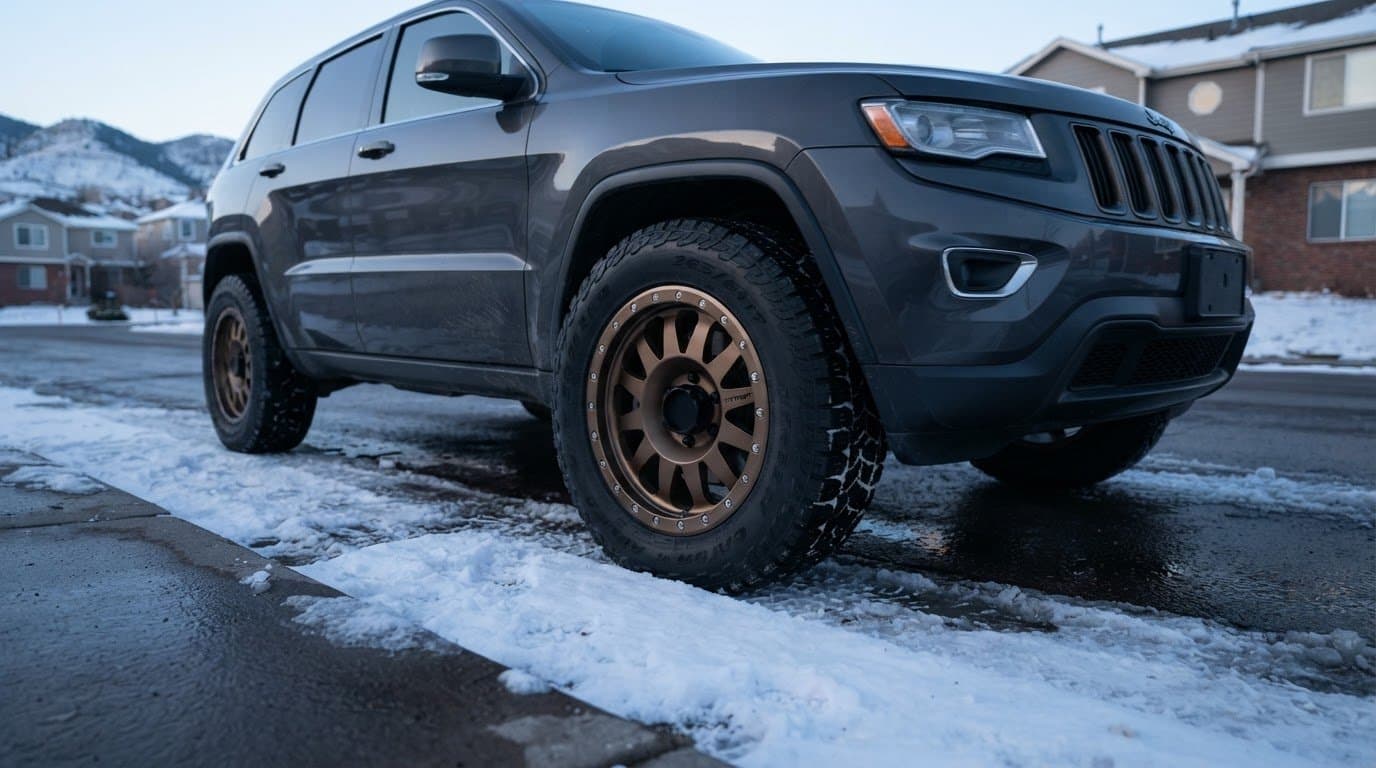
Trucks and SUVs can use a suspension lift only when the kit matches their exact application. Jeep Wrangler, Jeep Gladiator, Ford F-150, Chevrolet Silverado 1500, Ram trucks, and Ford Super Duty models each require vehicle-specific fitment. A kit designed for one model or configuration isn’t automatically suitable for another.
A professional fitment assessment starts with the vehicle’s year, make, model, trim, and drivetrain. The technician also considers the existing suspension and any modifications that may affect component clearance. For example, two Ford F-150 trucks may need different kit applications if their configurations or installed parts differ. Exact vehicle details help narrow the choices before installation begins.
Fitment involves more than choosing a lift height. The kit must suit the truck’s suspension layout, and the planned tires must clear surrounding components through normal steering and suspension movement. A radius arm kit is appropriate only when its application matches the specific truck. The assessment should also account for how you use the vehicle, whether commuting, towing, or trail driving, since those priorities affect the suitable setup.
To prepare for an accurate assessment, provide the complete vehicle identification details and describe existing modifications and intended use. A technician can then match the application, identify potential clearance conflicts, and explain how the proposed components work with the vehicle. For example, the right choice for a daily-driven Ram may differ from a Super Duty built around regular off-road use. A professional fitment assessment brings those details together before the build is selected.
Ground clearance and suspension travel
Ground clearance is the space beneath vulnerable components; suspension travel is how far the wheels move through their range. A lift can raise the chassis, but added height alone doesn’t guarantee more wheel travel. The kit design, springs, shocks, and suspension geometry all affect how the vehicle responds on uneven ground. For Denver drivers, the practical question is whether the build clears the terrain and obstacles they actually encounter.
Suspension lift kits typically provide 2-6+ inches of lift. A 2-inch lift typically clears one tire size larger than stock, but tire fit still depends on the vehicle and kit. Taller tires can add clearance beneath the axles, while raising the suspension lifts the body and frame. Those changes address different clearance points, so an engineered setup considers both the underbody and tire-to-body space.
Suspension travel matters when a wheel drops into a rut or rises over an uneven trail. If the setup restricts wheel movement, the tire may lose contact sooner, even with extra static clearance. A professional evaluates how the selected components work together as the steering and suspension move, and considers the intended tire size and off-road use before settling on lift height.
For a practical assessment, match the kit to the vehicle, review the planned tire size, and check component clearance. Also consider how the chosen height affects the suspension’s operating range. A lift beyond a spacer calls for an alignment after installation to help bring wheel angles back into specification after suspension geometry changes. The right balance prioritizes usable clearance and controlled movement, rather than choosing the tallest lift by default.
Off-road suspension builds
Build around the trails you plan to drive, not the tallest available lift. A 2-inch lift suits a mild tire upgrade and a leveled stance, while regular trail use may call for a different balance. In Denver, consider how often your truck leaves pavement and what obstacles it needs to clear. Those goals help determine lift height, tire size, and supporting suspension components.
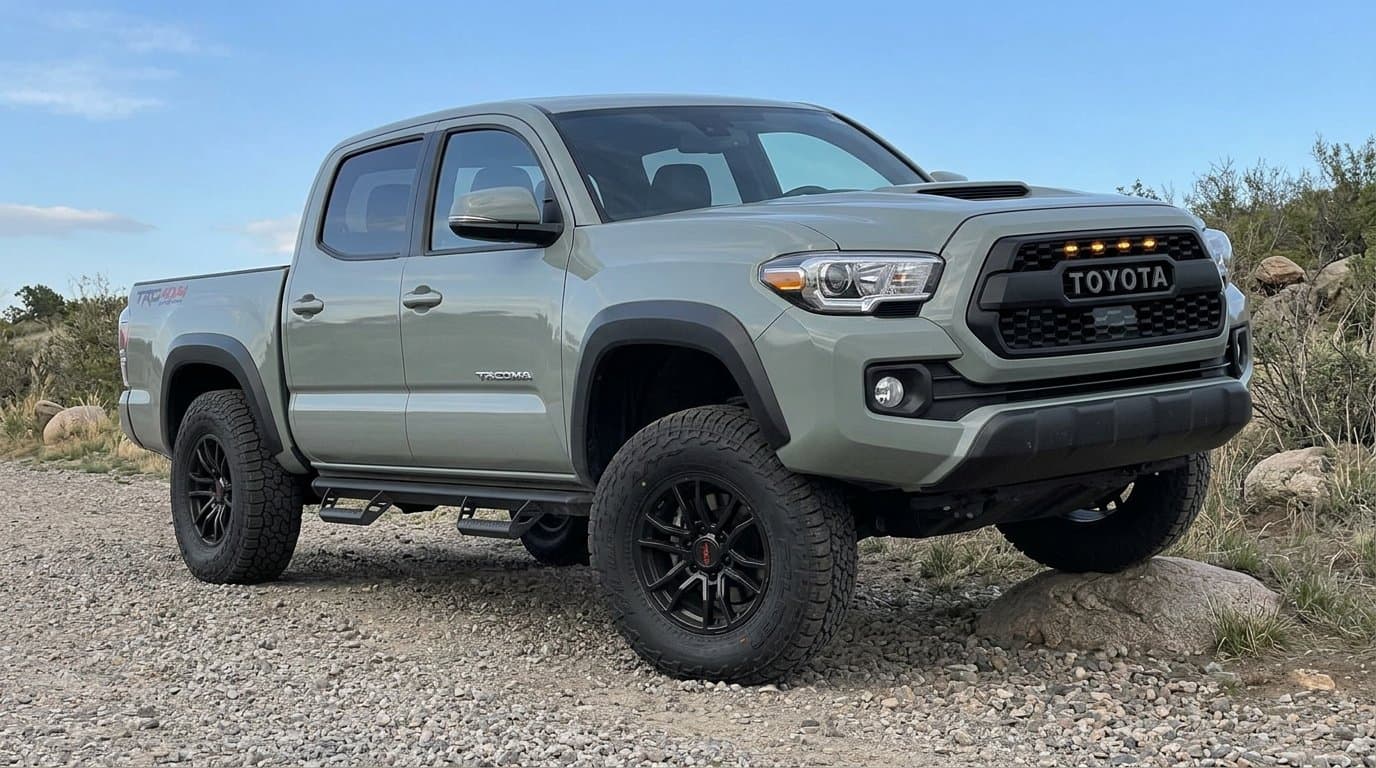
For Toyota Tacoma owners, listed lift options range from 2 to 3 inches. A 3-4-inch lift is described as clearing 33-35-inch tires for regular trails. These figures offer a starting point, not a universal fitment formula: the truck’s model, suspension layout, and selected tires still shape the right combination. Bigger tires and more lift should be planned together.
A leveling kit typically provides 1-2.5 inches of front lift. It can suit a build focused on front stance and a modest tire change, while a full suspension setup addresses a broader off-road goal. Choose based on how the vehicle will be used, then match the kit and tires to that purpose. A Tacoma driven on regular trails may need a different setup from one used mainly for commuting.
After lifting, shocks, control arms, or driveshafts may need replacement if the new height and suspension geometry call for different component range or clearance. An installer assesses how the setup affects suspension movement, steering, and driveline angles, then identifies which parts the build needs. There’s no single replacement list for every truck.
Stability deserves attention, too. According to the U.S. Government Publishing Office, vehicles that are taller and narrower are less stable than shorter, wider vehicles with identical suspension properties, and can roll over at lower speeds. Consider the full vehicle setup, not lift height alone.
For a build matched to your truck and trail goals, plan an off-road lift setup.
Platinum Wheels: Lift Kits & Leveling Kits
When you’re ready to turn fitment and trail goals into a truck upgrade, Platinum Wheels installs lift kits and leveling kits. These can change your vehicle’s stance or create room for a different wheel and tire setup.
For an off-road build, consider how Custom Truck Wheels & Off-Road Rims, All-Terrain & Mud-Terrain Tires, and Wheel & Tire Packages fit your chosen suspension setup. Bringing those choices together keeps the upgrade focused on your vehicle and how you drive, whether you want a practical daily setup or more trail-ready capability.
Contact Platinum Wheels to discuss lift kits, leveling kits, and the right direction for your truck.
Plan a build that fits your next drive
To plan your build, think about how you use your truck, the terrain you want to handle, and the look you’re after. Those priorities help shape a conversation about a suspension lift kit and the components that suit it.
Platinum Wheels offers Custom Truck Wheels & Off-Road Rims, All-Terrain & Mud-Terrain Tires, and Wheel & Tire Packages to complement your upgrade. Discussing these choices together can connect the suspension setup with the tires and wheels you want, rather than treating each change in isolation.
Share your vehicle details and driving goals when you’re ready to plan the next step. Contact Platinum Wheels about your lift build and start shaping an upgrade around the way you drive. A thoughtful plan can make your next truck build feel purposeful from the first decision.
Frequently Asked Questions
What is a truck suspension lift and how does it work?
A suspension lift kit raises a vehicle by changing or repositioning suspension components, creating more space beneath the chassis and around the tires. Unlike a body lift, it changes the suspension system rather than spacing the body above the frame. The components vary by vehicle and kit design. For example, a truck build may use different suspension parts than a Jeep setup.
How much does a suspension lift kit cost, including installation?
The total cost depends on the vehicle, selected lift system, required components, and installation work. A straightforward fitment may differ from a build that needs additional suspension parts for its intended tires. Platinum Wheels installs lift kits and leveling kits. Share your vehicle details and build goals with Platinum Wheels to discuss a suitable setup and its cost.
How do you choose a reputable suspension lift kit brand and installer?
Choose an installer who checks your vehicle’s year, make, model, trim, drivetrain, existing suspension, and modifications before matching a kit. Ask how they confirm fitment, install the specified components, and handle alignment.
How do you install a suspension lift kit, and what tools are needed?
A professional assesses vehicle fitment, installs the specified components, and aligns the vehicle. A lift beyond a spacer calls for an alignment. No tools are specified.
How does a suspension lift affect handling, fuel economy, ride quality, and towing?
A lift changes handling and ride characteristics, while larger tires and altered suspension can affect fuel economy and towing feel. With identical suspension properties, taller, narrower vehicles are less stable than shorter, wider ones.