The Ultimate Guide to 4-Inch Lift Kit Installation in Denver (2026)
A 4-inch lift isn't just about gaining ground clearance; it's a total suspension recalibration designed to survive the unique demands of the Rockies. You want that aggressive stance and the ability to clear 35-inch tires, but you're likely worried about the dreaded death wobble or a stiff, jarring ride when you're cruising up I-70. It's a common concern for Denver drivers who need a rig that performs as well on the daily commute as it does on a weekend trail run.
This guide explains exactly how a professional 4 inch lift kit installation Denver ensures your truck handles with precision on the pavement while dominating rugged terrain. You'll learn what to expect during the process, from selecting high-quality components that won't fail in our climate to mastering the perfect wheel and tire fitment without the frustration of rubbing. We're diving into the technical details that separate a high-performance build from a basic big-box kit, giving you the peace of mind that your investment is trail-ready and road-safe.
Key Takeaways
- Understand why a 4-inch lift provides the ideal balance of ground clearance and highway stability for Colorado's varied terrain.
- Learn how to select the right coilovers and shocks to handle the steep grades and sharp curves of I-70 with confidence.
- Discover what a professional 4 inch lift kit installation Denver involves, including necessary frame modifications and precision suspension tuning.
- Master the technical side of wheel offset and backspacing to ensure your 35-inch tires clear the wheel wells without rubbing.
- Follow a critical post-installation maintenance schedule, including the 500-mile retorque, to keep your rig trail-ready and your components in peak condition.
Preparing for a 4-Inch Lift Kit Installation in Denver
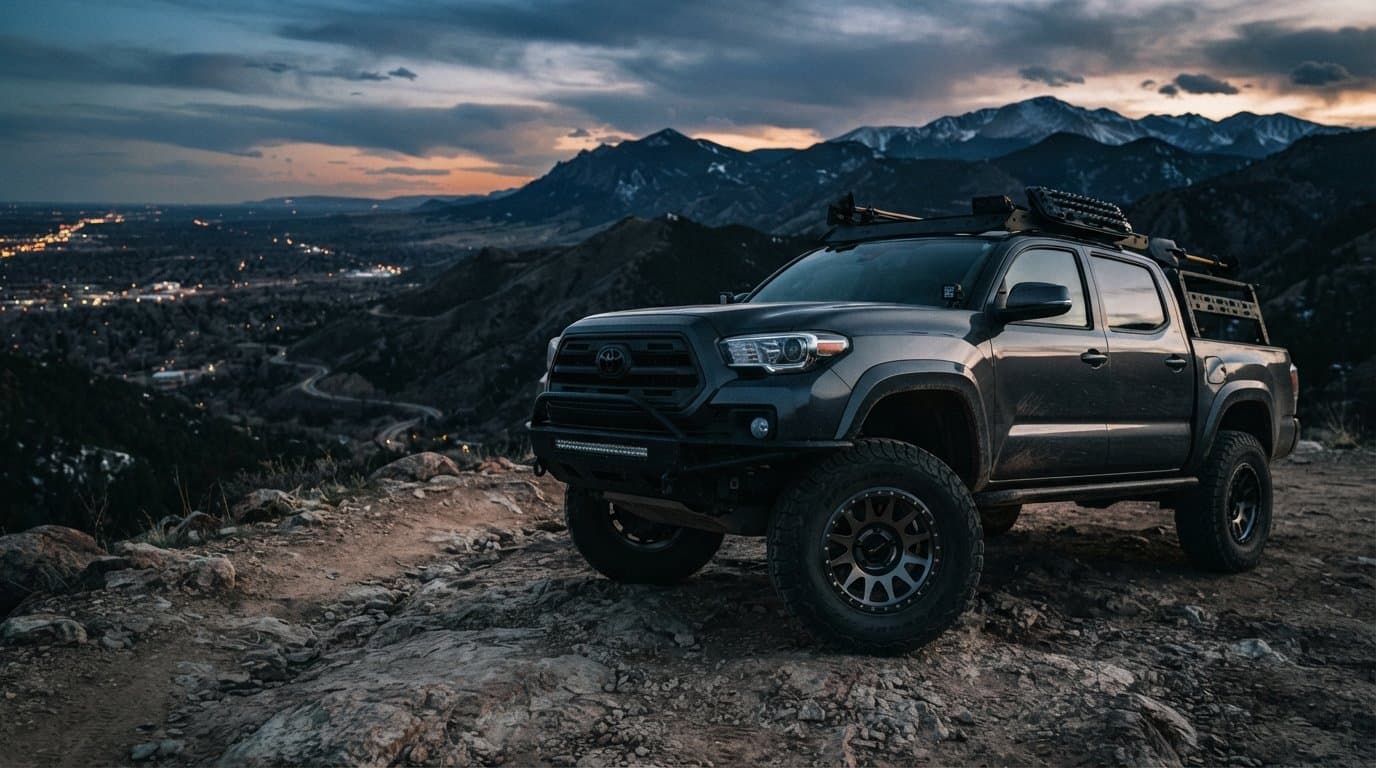
Choosing a 4-inch lift is the tactical sweet spot for Colorado truck owners. It provides the necessary clearance to tackle legendary routes like Kingston Peak without sacrificing the road manners you need for the daily commute through the Tech Center. While a smaller lift might leave you scraping on rock steps, and a 6-inch kit can feel top-heavy on I-70's wind-swept curves, the 4-inch system offers a balanced center of gravity and room for 35-inch tires. Planning your 4 inch lift kit installation Denver starts with an honest assessment of your driving habits. Are you building a dedicated weekend warrior for Moab, or do you need a versatile rig that handles snow-packed city streets? Defining these goals early ensures you invest in the right components from the start.
Before any parts are ordered, you must audit your vehicle's current suspension health. Installing a high-performance lift on worn-out factory parts is a recipe for disaster. Inspect your ball joints, tie rod ends, and wheel bearings for any signs of play or fatigue. A specialized suspension shop will catch these issues during a pre-installation inspection, whereas a general mechanic might overlook the subtle geometry changes that a 4-inch lift introduces. We focus exclusively on suspension and wheels because these systems require a level of precision that general repair shops simply aren't equipped to handle.
Lift Kit vs. Leveling Kit: Making the 4-Inch Choice
Many drivers start by looking at a simple 2-inch level, but jumping to a full 4-inch system is a completely different engineering challenge. While leveling kits often rely on basic spacers, professional 4 inch lift kit installation Denver requires a comprehensive approach to suspension lift systems. At this height, you aren't just stretching the factory components; you're replacing them with dropped crossmembers and extended steering knuckles to maintain proper CV axle angles. If you're still debating the height that's right for you, check out our guide on the leveling kit vs lift kit debate to see the technical differences in detail.
The Impact of Denver Altitude and Terrain on Suspension
Denver's environment is brutal on suspension hardware. The constant cycling of high-altitude temperatures and the heavy use of magnesium chloride on winter roads can seize lower-quality bolts and corrode unpainted surfaces in a single season. Beyond the chemistry, our local terrain puts immense lateral stress on your bushings and control arms during mountain climbs. High-clearance kits are essential for navigating Front Range trail obstacles, but they must be built with Colorado-ready materials. We prioritize components with robust coatings and serviceable grease points, ensuring your rig remains quiet and capable whether you're climbing a switchback or merging into highway traffic.
Selecting the Right Components for the Front Range
Building a rig for the Front Range requires a different mindset than building one for the flatlands. A generic kit might look good in a suburban parking lot, but it can quickly become a liability on a steep descent down Floyd Hill. When planning your 4 inch lift kit installation Denver, the components you choose determine whether your truck feels like a precision instrument or a loose cannon on the highway. High-performance coilover systems are the gold standard here because they replace the entire factory strut with a tuned unit designed for increased travel and better heat dissipation during long mountain drives. While strut-spacer kits are more budget-friendly, they often lack the valving necessary to control a heavier wheel and tire setup on uneven terrain.
Rear-end stability is just as critical, especially if you plan on hauling a camper or a pair of snowmobiles. You'll need to choose between lift blocks and full replacement leaf springs. Blocks are a simple way to achieve height, but they can contribute to axle wrap under heavy acceleration. For those frequently towing through the Eisenhower Tunnel, we recommend full leaf packs or "add-a-leaf" kits that maintain your load capacity while providing the necessary lift. If you're ready to see how these components look when paired with the right rubber, our team can help you select the perfect wheel and tire packages to complete your build.
Shocks and Coilovers: Tuning for the Rockies
High-altitude driving creates unique challenges for suspension fluid. We prioritize nitrogen-charged shocks because the pressurized gas prevents the oil from foaming during rapid movement, ensuring consistent performance even as you climb toward the Continental Divide. Damping refers to the shock absorber's ability to control the energy from your springs, preventing your truck from bouncing uncontrollably after hitting a frost heave or washboard section on a forest service road. Adjustable coilovers are particularly useful for Denver drivers, as they allow us to fine-tune your ride height to compensate for heavy aftermarket bumpers or winches.
Steering and Geometry Correction
A professional 4 inch lift kit installation Denver focuses heavily on what happens beneath the surface. Raising your vehicle four inches significantly alters the angles of your steering rack and CV axles. Without correction, this leads to premature wear and a vague, wandering feeling in the steering wheel. Quality kits include dropped steering knuckles or pitman arms to keep your drag link and track bar parallel. This geometry is what prevents "bump steer" when you're hitting potholes on Colfax. We also ensure your kit includes track bar brackets or an adjustable track bar to keep your axles perfectly centered under the frame, which is vital for proper tire tracking and vehicle stability.
The Professional Installation Process: Step-by-Step
Don't let the "bolt-on" marketing labels fool you. While a small leveling kit might be a weekend project for a hobbyist, a professional 4 inch lift kit installation Denver is a high-stakes surgery for your truck's chassis. The process begins with a meticulous teardown where we remove factory struts, control arms, and knuckles. Because Denver's winter road salts can seize hardware, we use specialized heating tools and penetrants to ensure no bolts are sheared. This stage is also our final chance to inspect the frame and steering rack for any stress fractures or leaks that could compromise your safety on the trail.
The most critical phase involves modifying the frame. Most modern trucks require cutting the factory crossmember to allow the front differential to be dropped into its new, lower position. This is a permanent modification. We use precision plasma cutters and grinders to ensure the cuts are clean, then we treat the exposed metal with rust-inhibitive coatings. Once the new high-clearance crossmembers are in place, we begin the assembly. Every bolt is tightened to exact manufacturer torque specifications, and all moving parts receive a generous application of synthetic grease to prevent the annoying squeaks often associated with cheaper installations.
Critical Technical Milestones
Success is found in the details that general shops often ignore. We pay close attention to seating your new coil springs perfectly in their perches to prevent future sagging or popping sounds. We also index the driveshaft, a process that ensures the universal joint angles are optimized to prevent high-speed vibrations on the highway. Since we are a specialized wheel and tire shop, we also handle your TPMS sensors with care during the swap, ensuring your dashboard stays clear of warning lights as you head into the mountains.
The Denver Alignment: Precision Matters
A standard "toe-and-go" alignment is insufficient for a lifted rig. When you increase height by four inches, your caster and camber settings are thrown completely out of spec. We perform a comprehensive alignment that prioritizes stable highway tracking at 75 mph. By maximizing positive caster, we give your truck that "centered" feel, which reduces steering wander and helps prevent the dreaded death wobble. Our specialized alignment racks are designed to accommodate oversized wheel and tire packages, ensuring your 35-inch tires wear evenly and your steering wheel stays perfectly straight as you navigate the curves of the Front Range. This level of precision is why 4 inch lift kit installation Denver requires a specialist's touch rather than a general mechanic's guesswork.
Wheel and Tire Fitment with a 4-Inch Lift
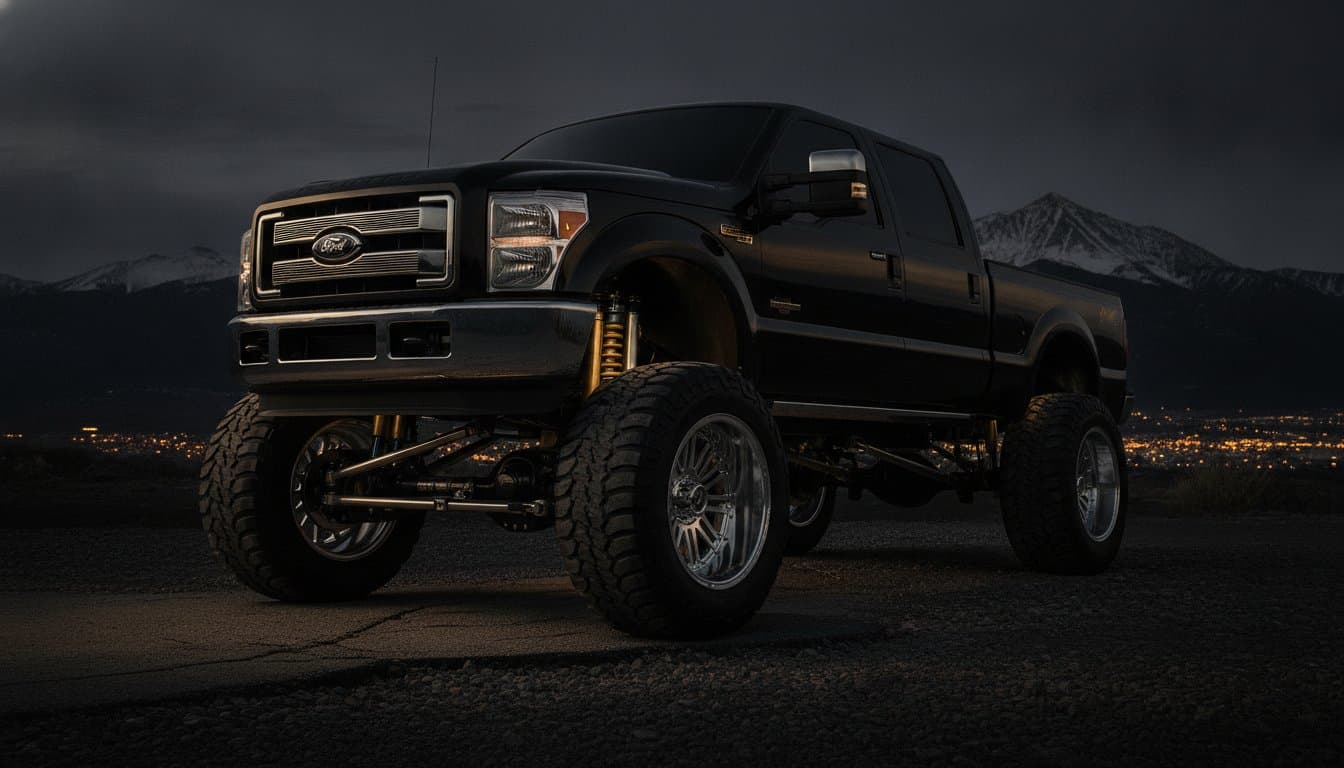
The primary reason most owners invest in a 4 inch lift kit installation Denver is to clear 35-inch tires. This size is the gold standard for the Rockies. It provides enough sidewall to air down for traction on the trails while maintaining a footprint that doesn't completely overwhelm your truck's gearing. However, simply having the height doesn't guarantee a rub-free experience. Fitment is a game of millimeters. You have to account for the "Trim or No Trim" debate. Some owners are comfortable with a "NorCal mod" or trimming plastic liners to avoid rubbing at full lock, while others prefer a setup that requires zero modifications to the body. We prioritize a clean fit that preserves your truck's integrity while maximizing its aggressive stance.
Understanding wheel offset and backspacing is where many builds go wrong. While a generic online guide might say 35s fit, they often ignore how the wheel's position affects the inner fender and suspension components. A negative offset pushes the wheel outward, creating that wide, muscular look popular in the Front Range, but it also increases the "scrub radius" during turns. Choosing the right custom wheels and rims ensures your setup clears the new, beefier steering knuckles included in your 4-inch kit. We measure every build to ensure your tires don't catch on the frame or the bumper when you're navigating tight switchbacks.
Choosing Your Rubber: All-Terrain vs. Mud-Terrain
Your choice of tire tread should reflect your actual driving conditions. Mud-terrain tires look incredible and dominate in deep slush or loose dirt, but they can be loud on the long trek up I-70. For most Denver drivers, a high-quality all-terrain tire offers the best balance. These tires are designed to handle Colorado's rapidly changing seasons, providing better grip on icy pavement than a dedicated mud tire. You can dive deeper into specific performance data in our guide on all terrain tires. Keep in mind that 35-inch tires add significant unsprung weight. This weight affects your braking distance and fuel economy, so we often recommend upgrading to a higher-friction brake pad during the installation process.
The Offset Factor: Stance and Function
Achieving the perfect stance is a delicate balance between aesthetics and mechanical function. A negative offset might look great, but if it's too extreme, it puts unnecessary strain on your wheel bearings. We help you find the "sweet spot" where your truck looks wide and capable without compromising the longevity of your suspension. This is exactly why aftermarket wheel and tire packages are the most efficient way to handle a 4 inch lift kit installation Denver. By bundling these components, you ensure that the wheels, tires, and lift are all engineered to work in harmony from day one.
Ready to transform your truck's capability and look? Shop our wheel and tire packages to find the perfect fitment for your lifted rig.
Post-Installation: Maintenance and Trail Readiness
Once your 4 inch lift kit installation Denver is complete, the first few hundred miles are the most critical for the longevity of your build. New suspension components need time to settle under the vehicle's weight. We require a 500-mile retorque for every truck that leaves our shop. During this visit, we verify that every fastener remains at its exact torque specification. It's a vital safety step that prevents parts from shifting or backing out, which is often the root cause of mysterious clunks or steering wander. Skipping this check can turn a high-end build into a maintenance headache later on.
You also need to recalibrate your driving style. A 4-inch lift significantly raises your center of gravity, which changes how your truck reacts during high-speed cornering and emergency braking. Take a few days to get a feel for the new body roll on familiar city streets before heading into the mountains. When you're ready to test your new capability, start with moderate local trails like Yankee Hill or Pickle Gulch. These routes provide the perfect environment to check your articulation and ensure your 35-inch tires clear the fenders under full compression without any unexpected rubbing.
Long-Term Maintenance in Colorado
Colorado's environment is exceptionally tough on aftermarket hardware. The magnesium chloride used on our winter roads is highly corrosive and can seize adjustable coilovers or pitman arms in a single season. We recommend an annual suspension inspection to check for bushing wear and to lubricate all grease points. Keeping your undercarriage clean and treated with a corrosion inhibitor will protect your investment for years to come. If you find yourself staring at a persistent dash light after your upgrade, our TPMS sensor guide explains how to manage tire pressure monitoring with oversized off-road tires.
Ready to Transform Your Truck?
Platinum Wheels is the premier choice for a 4 inch lift kit installation Denver because we don't try to be a "jack of all trades" shop. We focus exclusively on wheels, tires, and suspension. This specialization means we have the specific tools, alignment racks, and technical expertise required to build a rig that handles the Rockies with precision. We understand the nuances of Front Range terrain and the specific fitment needs of your truck. Contact us today to schedule a consultation and let our team help you build a vehicle that's as reliable on the highway as it is dominant on the trail.
Take the High Road with a Built-to-Last Rig
Building a truck that thrives in Colorado requires more than just height. It demands a system where every component, from the nitrogen-charged shocks to the steering knuckles, works in perfect harmony. By prioritizing precision geometry correction and a strict maintenance schedule, you ensure your rig handles the steep grades of the Front Range with total stability. You've learned that a professional 4 inch lift kit installation Denver is the foundation for clearing 35-inch or 37-inch tires without compromising your daily drive or trail performance.
At Platinum Wheels, we are locally owned Front Range experts who focus exclusively on suspension and wheels. We don't do oil changes or body work; we specialize in the technical fitment and high-altitude tuning your truck deserves. Whether you're planning a trip to Moab or just want a more capable commuter for the next blizzard, our team provides the expertise you can trust. Stop settling for generic big-box service and get the precision build your vehicle requires.
Book Your Professional Lift Kit Installation at Platinum Wheels today and experience the difference of a build designed by Denver’s suspension and wheel specialists. We'll see you on the trail!
Frequently Asked Questions
How much does it cost to install a 4-inch lift kit in Denver?
Total costs vary significantly based on your vehicle's make and the complexity of the suspension system you choose. A high-performance coilover system with reservoir shocks will require a different investment than a standard strut-spacer kit. You must also account for the labor required for frame modifications and the specialized alignment needed to ensure the truck drives straight. We recommend a consultation to determine the specific components required for your goals.
Will a 4-inch lift kit void my factory vehicle warranty?
A lift kit does not automatically void your entire vehicle warranty. According to the Magnuson-Moss Warranty Act, a dealership can only deny a warranty claim if they can prove that the aftermarket part directly caused the failure. For instance, if a lift component causes a CV axle to wear prematurely, that specific repair may not be covered, but your engine and transmission warranties remain protected. It is always smart to check with your specific local dealer for their stance on modifications.
How long does the 4-inch lift installation process take?
A professional 4 inch lift kit installation Denver typically takes one to two full business days. This duration allows for a meticulous teardown, the precision cutting and welding of crossmembers, and the final suspension tuning. We prioritize a methodical approach over a rushed one to ensure every torque spec is met and your brake lines are routed safely for the trail. Rushing a 4-inch build often leads to recurring noise issues or geometry problems.
Do I need to upgrade my brakes when installing a 4-inch lift and 35-inch tires?
Upgrading your brakes is highly recommended when moving to 35-inch or larger tires. The increased rotational mass of heavy off-road tires puts more stress on your factory rotors and pads, which can lead to longer stopping distances. This is especially noticeable when you are descending steep mountain passes like Vail Pass or the Eisenhower Tunnel. High-friction pads or braided stainless steel brake lines are excellent additions to maintain safety and control.
Can I still fit my truck in a standard garage with a 4-inch lift?
Fitting into a standard garage becomes a game of inches once a truck is lifted. Most modern half-ton trucks with a 4-inch lift and 35-inch tires will sit between 80 and 84 inches tall. Since many residential garage doors in the Denver area are exactly seven feet (84 inches) high, the fit is often extremely tight. Always measure your truck’s new height and your specific garage opening before attempting to park inside.
Is an alignment necessary after installing a 4-inch lift kit?
Yes, a precision alignment is absolutely mandatory immediately following the installation. Changing your ride height by four inches completely disrupts your caster, camber, and toe settings. Driving without an alignment will cause your expensive new tires to wear out in just a few thousand miles and can make the truck feel unstable at highway speeds. We use specialized racks to handle oversized tires and ensure your steering remains centered and responsive.
What is the difference between a suspension lift and a body lift?
A suspension lift replaces your factory shocks, springs, and control arms to increase both ride height and ground clearance. This improves off-road performance and suspension travel. A body lift uses spacers to raise the body of the truck off the frame, which allows for larger tires but does not increase actual ground clearance or improve trail capability. For the rugged terrain found in the Rockies, a suspension lift is the only way to gain true performance benefits.
Do I need new driveshafts for a 4-inch lift on my truck?
Whether you need new driveshafts depends on your vehicle's wheelbase and the design of the lift kit. Many modern kits for full-size trucks include differential drops that keep factory driveshaft angles within a safe operating range. However, some vehicles with shorter wheelbases may experience vibrations that require a custom-length or high-angle driveshaft. We inspect your driveline geometry during the 4 inch lift kit installation Denver to ensure your U-joints won't bind or wear prematurely.