Fuel Off-Road Wheels: 2026 Guide for Colorado Truck Owners
Could a single set of wheels be the difference between a smooth trail run and a costly repair on a rocky Colorado pass? For many Front Range drivers, the choice of fuel off-road wheels isn't just about turning heads at the trailhead; it's about engineering a vehicle that handles the specific demands of our high-altitude terrain. You want a truck that looks aggressive and stands wide, but you're likely worried about the technical headache of offset, backspacing, and whether those new rims will actually clear your specific lift kit without trimming your fenders.
We understand the frustration of trying to decode fitment specs only to end up with tires that rub every time you turn the wheel. You deserve a setup that performs as reliably as it looks, especially when the Colorado Traction Law is in effect and the conditions turn harsh. This 2026 guide breaks down why Fuel Off-Road remains the premier choice for local truck owners and provides the professional fitment advice you need for your next adventure. We'll explore the latest 2026 models like the FFC130 Impulse and the Foxhound, explain the science of avoiding the dreaded rub, and show you how to get expert local installation right here in Denver.
Key Takeaways
- Discover why Fuel Off-Road dominates the custom market and how their 2026 lineup meets the specific durability needs of Front Range trails.
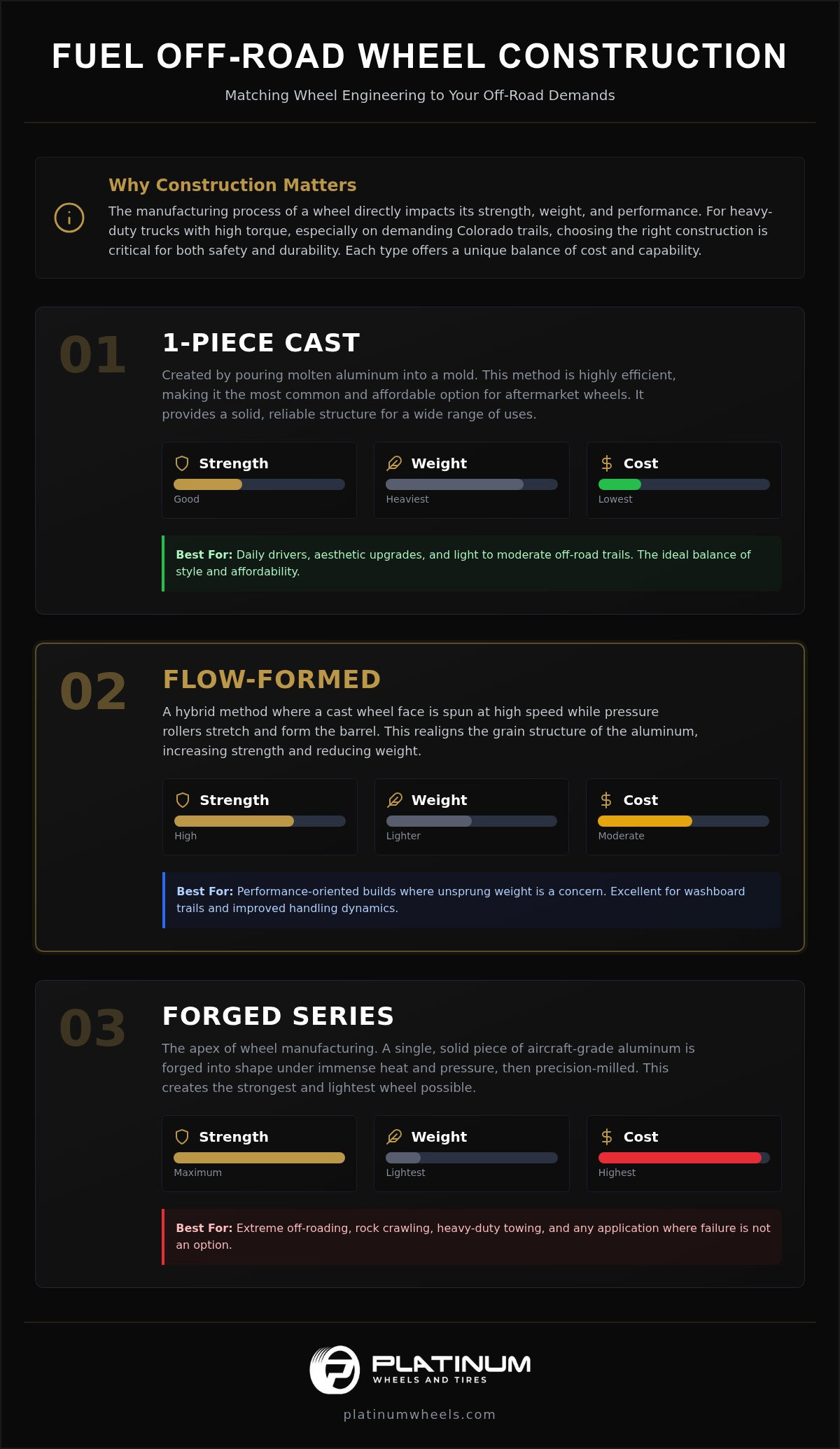
- Compare cast, forged, and flow-formed construction to find the ideal balance of affordability and off-road performance for your specific driving style.
- Decode the technical side of fitment to select fuel off-road wheels that deliver an aggressive stance while maintaining legal splash guard compliance in Colorado.
- Learn the benefits of building a synchronized wheel and tire package to avoid common suspension clearance issues and ensure a smooth, reliable ride.
- Identify the critical installation steps, from TPMS sensor programming to high-speed balancing, that keep your truck safe and efficient on steep mountain passes.
Why Fuel Off-Road Wheels Dominate the Custom Truck Market
Fuel Off-Road didn't become the go-to name for Colorado truck enthusiasts by accident. Over the last decade, the brand has evolved from a niche trendsetter into a global industry standard. You see them everywhere from the suburban streets of Highlands Ranch to the grueling switchbacks of Black Bear Pass. This dominance stems from a focus on two things: uncompromising durability and cutting-edge aesthetics. Modern heavy-duty trucks now push 1,000 lb-ft of torque from the factory, and fuel off-road wheels are engineered specifically to handle those extreme rotational forces without compromising structural integrity.
When you're descending a steep mountain grade with a heavy trailer, you need hardware that manages heat and stress efficiently. Fuel’s commitment to technical excellence ensures their rims aren't just jewelry for your rig. They provide a performance foundation that supports the increased weight of modern EVs and heavy-duty diesels alike. Understanding the basics of wheel construction and offset helps explain why Fuel's specific hub-centric designs and load ratings make them a superior choice for the varied terrain of the Front Range.
A Design for Every Build
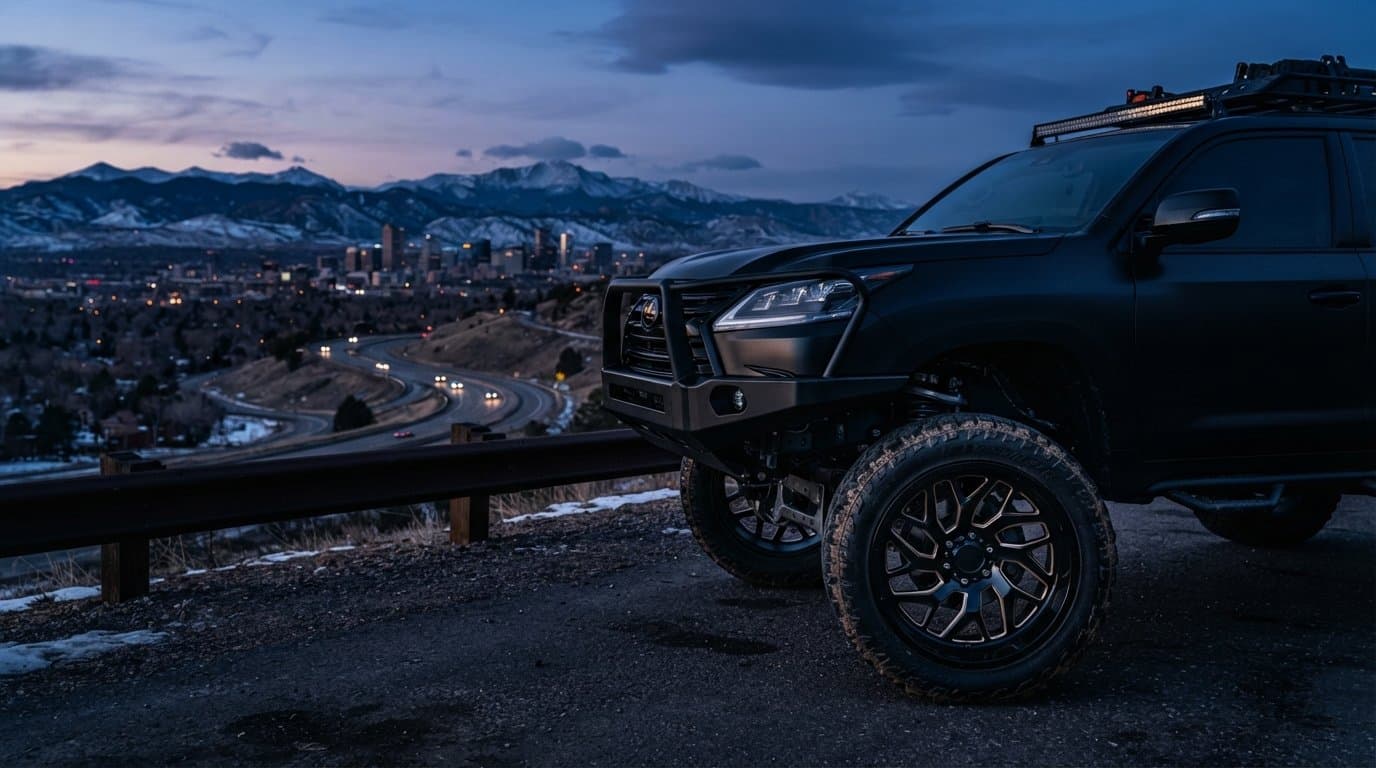
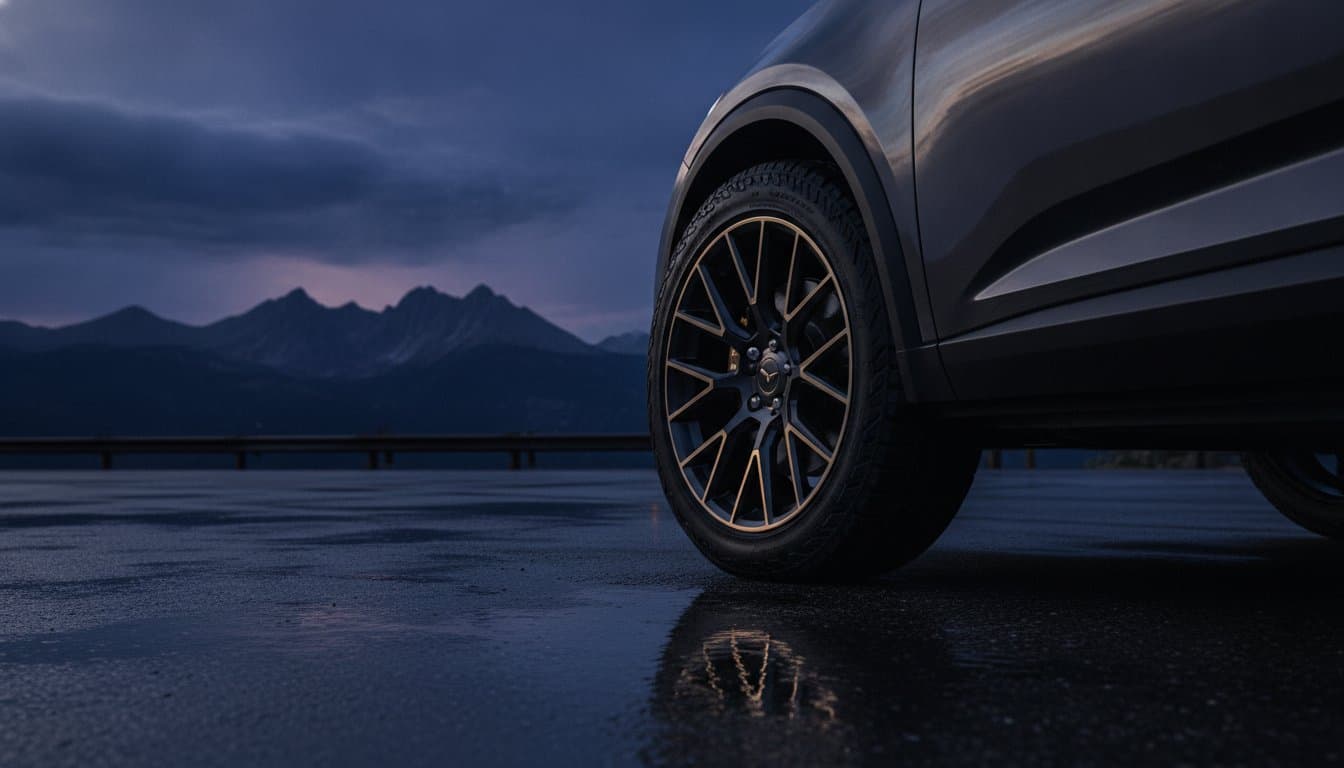
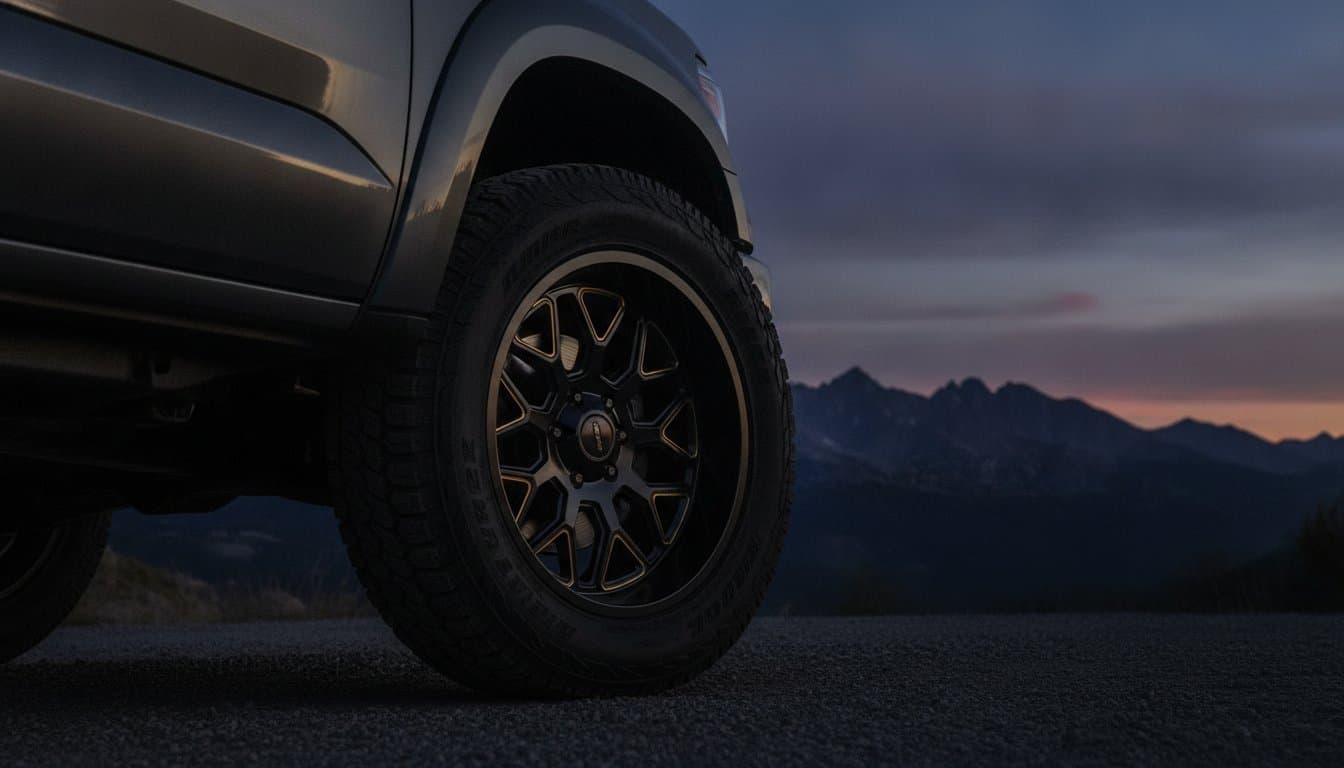
Choose a design that reflects how you actually use your truck. Deep lip wheels offer a classic, aggressive look that creates a wide, commanding presence on the road. If you prefer a more technical, modern appearance, concave designs pull the spokes toward the center. This often provides better protection for the wheel face on narrow, rocky trails. Finish options have also evolved for 2026. New models like the Foxhound and the FFC130 Impulse showcase how the brand is pushing boundaries with intricate milling and bold geometries. While gloss black remains a staple, we're seeing a massive surge in matte bronze and tinted clears. These finishes don't just look great; they're designed to withstand the corrosive magnesium chloride used on Colorado winter roads. Multi-spoke patterns are particularly popular for mountain drivers because they facilitate better airflow, helping to cool your braking system during long descents.
The "Fuel" Community in Colorado
Drive through any trailhead parking lot in the Rockies and you'll spot the iconic "F" logo. Fuel has built a massive community here because they prioritize fitment for the trucks Coloradans actually drive. Whether you're piloting a Ford F-150, a Chevy Silverado, a RAM 2500, or a Toyota Tacoma, there's a Fuel setup engineered for your specific bolt pattern and hub diameter. As OEM truck designs become more futuristic in 2026, Fuel stays ahead of the curve by releasing styles that complement the sharper lines and larger wheel wells of the newest models. Whether you're looking for a dedicated rock crawler setup or a clean daily driver, fuel off-road wheels provide the versatility needed for the Colorado lifestyle. This local popularity creates a virtuous cycle. Because so many Colorado trucks run Fuel, there's a wealth of real-world data on which offsets work best for our specific trails and lift combinations.
Understanding Wheel Construction: Cast vs. Forged vs. Flow Formed
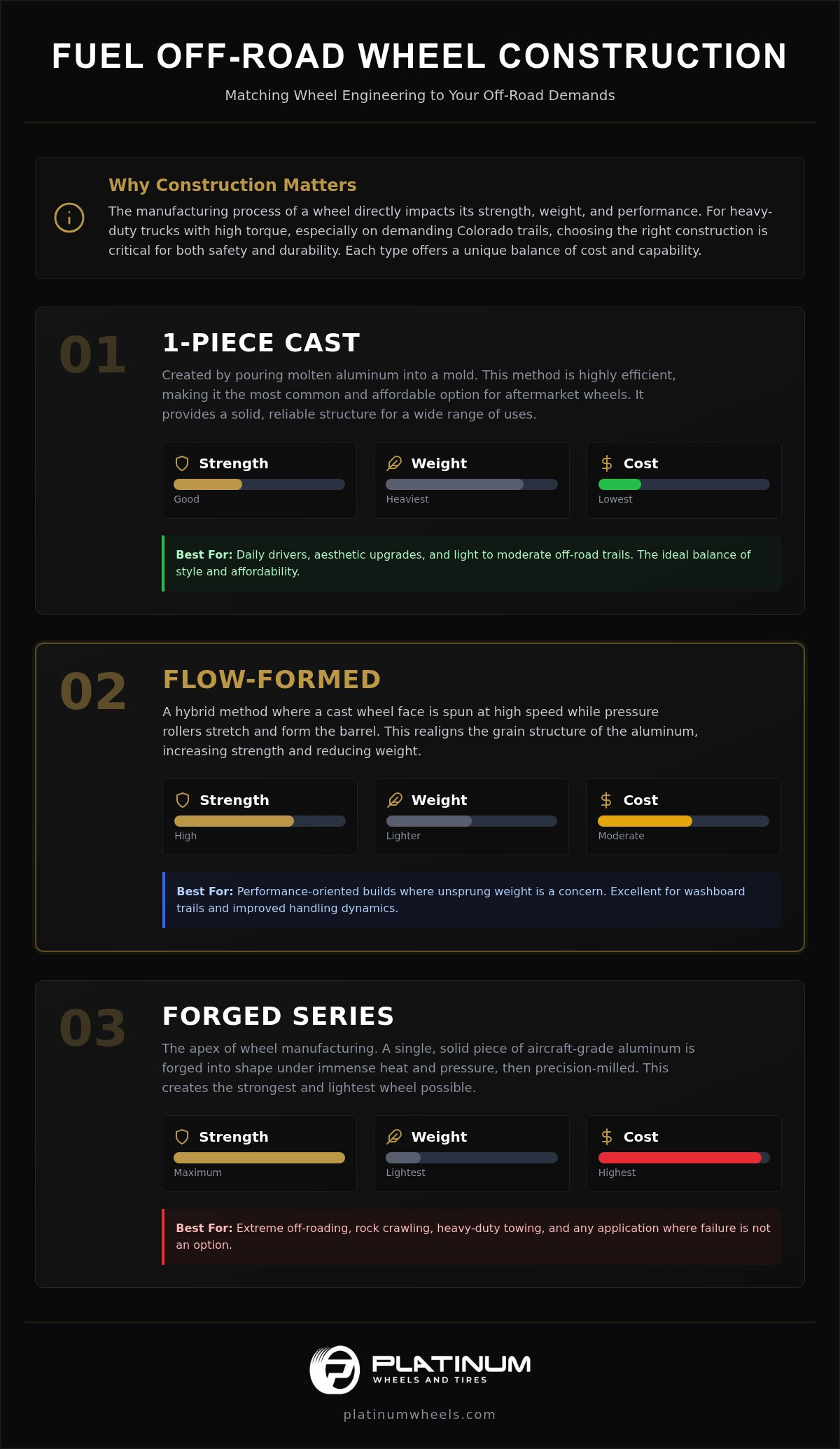
Choosing the right wheel construction isn't just about the price tag; it's about matching the mechanical properties of the rim to your truck's Gross Vehicle Weight Rating (GVWR). The SAE Wheel Standards Committee establishes the rigorous testing protocols that ensure these components can withstand the lateral and vertical loads encountered on the road. For most drivers, 1-piece cast fuel off-road wheels provide the ideal balance of aggressive styling and cost-efficiency. These wheels are made by pouring molten aluminum into a mold, creating a solid, reliable structure that handles daily commutes through Denver with ease.
If you're looking for something that bridges the gap between value and high-end performance, look at flow-formed options. This process involves casting a specialized wheel center and then using high-pressure rollers to stretch and compress the aluminum barrel. This results in a barrel that's thinner, lighter, and significantly stronger than a standard cast wheel. It's a great choice for those who want better handling and suspension response on washboard trails where every pound of unsprung weight matters.
For those pushing their rigs to the absolute limit, the Forged Series represents the pinnacle of durability. Forged wheels are machined from a single block of solid 6061 T-6 aluminum, which eliminates porosity and creates an incredibly dense grain structure. If you're towing a heavy trailer up the Eisenhower Tunnel or running a high-horsepower diesel, forged wheels offer the highest safety margins available. Additionally, 2-piece fuel off-road wheels allow for extreme customization, letting you mix different finishes on the center and the barrel while achieving unique offsets that aren't possible with 1-piece designs.
Which Construction Suits Your Driving Style?
Think about where your truck spends 90% of its time. If you're mainly navigating city traffic and occasional light trails, 1-piece cast wheels are more than enough to handle the job. However, if your weekends involve high-speed desert running or technical trail work, the weight savings of flow-formed wheels will noticeably improve how your suspension reacts to bumps. For the heavy-duty crowd, especially those hauling campers or construction equipment, the peace of mind provided by a forged wheel's superior strength is worth the investment. You can browse our current inventory to see which construction fits your specific needs.
Technical Specifications to Watch
Check the load rating before you buy. Every wheel is rated for a specific maximum weight, and you must ensure the combined rating of all four wheels exceeds your truck's fully loaded weight. Lighter wheels also reduce unsprung mass, which helps your shocks and springs work more efficiently. This leads to better fuel economy and a more controlled ride on uneven surfaces. Flow Formed technology is a hybrid of casting and forging that specifically targets this weight-to-strength ratio for modern trucks.
Fitment Science: Offset, Backspacing, and Colorado Clearance
Getting the right stance for your truck isn't just a matter of style; it's a critical mechanical decision. When you select fuel off-road wheels, you're choosing how your vehicle interacts with the road and the trail. Negative offset pushes the wheel mounting surface toward the center of the truck, which moves the rim and tire outward. This creates that wide, aggressive "deep dish" look many Denver owners crave. While a wider track improves stability, it also increases your scrub radius. This can lead to heavier steering and accelerated wear on your wheel bearings if the geometry isn't balanced correctly. Positive offset keeps the wheels tucked closer to the suspension, which is often better for trail-friendly narrow profiles where navigating tight rock squeezes is the priority.
Backspacing is the other half of the fitment equation. It measures the distance from the mounting surface to the back edge of the wheel. If your backspacing is too deep, your wheels will likely make contact with your upper control arms or brake calipers, especially when the suspension is fully compressed or extended. Colorado terrain demands maximum articulation. When you're crawling over uneven boulders, your wheels need enough clearance to move through their full range of motion without binding or rubbing against the chassis.
Avoiding the Rub: Practical Fitment Tips
Modern trucks present unique challenges for aggressive fitments. Ford and Chevy trucks often feature "crash bars" in the wheel wells for safety, which can severely limit tire size. If you're planning to run 35-inch tires or larger, you'll likely need to modify your inner fender liners or perform minor trimming to prevent rubbing at full lock. It's a delicate balance between achieving the look you want and maintaining the truck's structural integrity. For a detailed breakdown of the math involved in these measurements, learn more about how to find wheel offset before you make a purchase.
Durability in the Rockies
Colorado's environment is notoriously hard on automotive finishes. From September through May, state highways are coated in magnesium chloride and road salt to manage snow. These chemicals can eat through cheap finishes in a single season. Fuel wheels are engineered with multi-stage coatings that resist this corrosion, keeping your rig looking sharp year-round. If you're a frequent trail rider, consider wheel designs with recessed or protected valve stems. This small detail prevents rocks from shearing off your air source in the middle of the wilderness. While true beadlocks are often overkill for daily drivers, beadlock-style wheels offer a reinforced outer lip that provides extra protection against "rock rash" when you're aired down for maximum traction on the trail. Just remember that if your new setup causes your tires to protrude beyond the body, Colorado splash guard laws require you to install mud flaps that cover the full tread width.
Building the Package: Pairing Fuel Wheels with Tires and Lifts
Buying truck components separately often leads to unexpected fitment headaches. A synchronized package ensures your wheels, tires, and suspension work as a single unit rather than a collection of conflicting parts. When you choose fuel off-road wheels, you're setting a specific aesthetic and performance tone for your rig. Pairing these rims with the right rubber is essential for both trail capability and highway safety, especially in a state with such diverse driving conditions as ours.
TPMS Sensors are a standard and non-negotiable safety feature for 2026 model year trucks. We always recommend installing brand-new sensors with your package rather than trying to swap old, worn ones. This ensures your vehicle's safety systems communicate perfectly with your new aftermarket rims from the moment you leave the shop. It's about providing peace of mind so you can focus on the trail ahead, not a warning light on your dashboard.
The All-Terrain vs. Mud-Terrain Choice
Selecting the right tread pattern is about more than just aggressive looks. For those frequently driving the I-70 corridor between Dotsero and Morrison, balancing deep-snow traction with off-road grip is a top priority. Mud-terrain tires offer massive sidewall lugs that perfectly complement the bold milling found on many fuel off-road wheels, but they can be louder on the pavement. If you need a tire that meets Colorado's Traction Law requirements while still looking tough, check out our guide on choosing the best all-terrain tires for specific performance data on the latest 2026 models. The goal is to find a tire whose sidewall design flows naturally with the spoke pattern of your chosen wheel.
Suspension Synergy
You can't simply bolt on a set of 20-inch or 22-inch Fuel rims and expect zero issues without the right clearance. Deciding between a leveling kit vs lift kit is the first step in planning your build. A 2-inch leveling kit is usually enough to clear the most popular Fuel models on a half-ton truck, providing a cleaner, more balanced stance. However, if you're aiming for a "Big Build" with 35-inch tires and Fuel Forged wheels, a 6-inch lift is often necessary to maintain proper suspension geometry and avoid rubbing during full articulation.
Professional installation is critical for maintaining your truck's handling characteristics. Altering your suspension affects your alignment, and getting it wrong can lead to premature tire wear or unpredictable steering. A well-coordinated setup means your truck stays reliable whether you're hauling a boat to the reservoir or climbing a rocky ridge. You can browse our wheel and tire packages to see how we coordinate these components for a truly ready-to-drive experience.
Expert Installation: Why Platinum Wheels is Your Denver Fuel Authority
Choosing the right fuel off-road wheels is only half the battle. The real magic happens during the installation process, where technical precision meets real-world application. A high-end wheel is only as good as the technician mounting it. At Platinum Wheels, we provide more than just a retail transaction; we offer a comprehensive engineering service that ensures your truck performs as aggressively as it looks. Our team has spent years mastering the specific fitment quirks of Denver’s favorite trucks, from the latest aluminum-body Fords to the heavy-duty RAMs that dominate Colorado’s job sites. We understand how a specific offset interacts with your suspension at full lock, and we take the guesswork out of the equation.
We serve the entire Front Range, providing a level of precision that big-box retailers simply can't match. From Aurora to Castle Rock and beyond, local drivers trust us to handle their high-speed balancing and suspension calibration. We don't just bolt parts on; we synchronize your entire setup. This includes the Platinum Wheels guarantee: a no-rub fitment that preserves your truck's turning radius and expert suspension calibration that maintains your factory ride quality. When you're cruising at 75 mph on E-470, you'll appreciate the vibration-free performance that only comes from professional, high-speed balancing.
The Benefits of a Local Wheel Shop
Ordering heavy wheel and tire sets online is a gamble that often ends in frustration. Shipping damage is a common reality, and returning a 100-pound package because of a scuffed rim is a logistical nightmare. When you work with a local authority, you eliminate those risks entirely. You get the advantage of an in-person consultation where you can see the matte bronze or tinted clear finishes of your fuel off-road wheels in the actual Colorado sun. This helps you visualize exactly how the light hits the milling before you commit. Plus, our post-installation support includes vital re-torque services and local warranty assistance, ensuring your investment stays protected long after you leave the shop.
Ready to Transform Your Truck?
Starting your custom build is a straightforward process when you have the right guide. We move with you from the initial concept to the final installation, ensuring every technical detail is addressed. Safety is our priority, which is why we utilize high-quality lug nuts and hub-centric rings to ensure a perfect, centered fit on your vehicle's hub. These small components are critical for preventing wheel vibration and ensuring long-term reliability on rocky trails. We take pride in being a reliable fixture in the Denver community, helping you build a rig that is ready for any mountain adventure. Browse our Fuel Off-Road inventory and book your consultation today!
Elevate Your Colorado Adventure with Expert Fitment
Your truck is more than a daily driver; it's your ticket to exploring the high-country passes and rugged trails that make Colorado unique. We've explored how to select the right construction for your vehicle's weight rating and why precise offset is the key to avoiding the dreaded fender rub. By choosing fuel off-road wheels and pairing them with a synchronized tire and suspension setup, you ensure your rig is mechanically sound for every mountain descent. It's about building a vehicle that handles as well as it looks.
Don't settle for a generic setup that wasn't designed for our specific terrain. As Front Range fitment specialists, we take pride in delivering complete wheel, tire, and lift packages tailored to your vehicle's specific geometry. Our team provides expert local installation in Denver, ensuring every TPMS sensor is calibrated and every bolt is torqued to perfection for long-term reliability.
Upgrade your truck with Fuel Off-Road wheels at Platinum Wheels today! We're ready to help you build a rig that handles the Rockies with total confidence. See you at the trailhead!
Fuel Off-Road Wheels FAQ
Do Fuel Off-Road wheels come with a warranty?
Fuel Off-Road wheels carry a limited lifetime structural warranty alongside a one-year finish warranty. This coverage protects you against manufacturing defects like cracks or structural failure under normal driving conditions. The finish warranty covers peeling or lifting of the coating; however, it typically doesn't cover damage caused by road salt, chemicals, or trail-induced rock rash common on Colorado passes.
Will installing Fuel wheels void my truck’s factory warranty?
Installing aftermarket wheels will not void your factory warranty unless the manufacturer proves the wheels caused a specific failure. The Magnuson-Moss Warranty Act protects consumers, ensuring you can customize your rig without losing your safety net. Professional installation is still the best way to avoid disputes, as it ensures your suspension and steering geometry remain within safe operating parameters.
What is the best way to clean and maintain my Fuel wheel finish in Colorado winters?
Rinse your wheels with fresh water weekly to remove the magnesium chloride and road salt used on Colorado highways. Avoid acidic or abrasive cleaners that can compromise the clear coat. We suggest applying a wheel sealant or ceramic coating before winter begins. This creates a protective barrier that makes it much harder for winter grime to bond to the surface.
Do I need a lift kit to run Fuel wheels on my truck?
You don't always need a lift kit, but your choice of tire size and wheel offset will be limited on a stock suspension. A leveling kit is often the sweet spot for many Denver owners, allowing for slightly larger fuel off-road wheels without a full suspension overhaul. If you're aiming for an extremely wide stance or 35-inch tires, you'll likely need a lift kit to ensure proper clearance.
Can I use my factory TPMS sensors with Fuel Off-Road wheels?
You can reuse your factory sensors, but we strongly suggest installing new TPMS sensors when building a new wheel package. Sensors have internal batteries that eventually die, and replacing them later requires dismounting your tires again. For 2026 model year trucks, starting with fresh sensors ensures your safety systems remain reliable and eliminates the hassle of future maintenance at the shop.
What is the difference between hub-centric and lug-centric wheels?
Hub-centric wheels are designed so the center bore matches your truck's hub exactly, while lug-centric wheels rely on the lug nuts for centering. Most Fuel designs use hub-centric rings to create a precision fit for your specific vehicle. This setup is superior because it transfers the truck's weight directly to the hub rather than putting excessive stress on the wheel studs during off-road articulation.
How do I know which offset is right for my specific truck model?
The right offset depends on whether you prefer a tucked, flush, or wide stance look. We analyze your specific truck model's suspension geometry to recommend a millimeter measurement that prevents rubbing. Selecting the right offset for fuel off-road wheels ensures your tires clear the control arms while providing the aggressive profile you desire for the Front Range streets.
Are Fuel wheels good for heavy towing and hauling?
Fuel wheels are built to handle heavy towing and hauling provided you choose a model with the correct load rating. The Forged and Flow Formed series are particularly well-suited for high-stress applications like pulling a fifth-wheel or carrying a heavy camper. Always check that the combined load rating of your wheels exceeds your truck's maximum loaded weight to ensure safety on steep mountain grades.