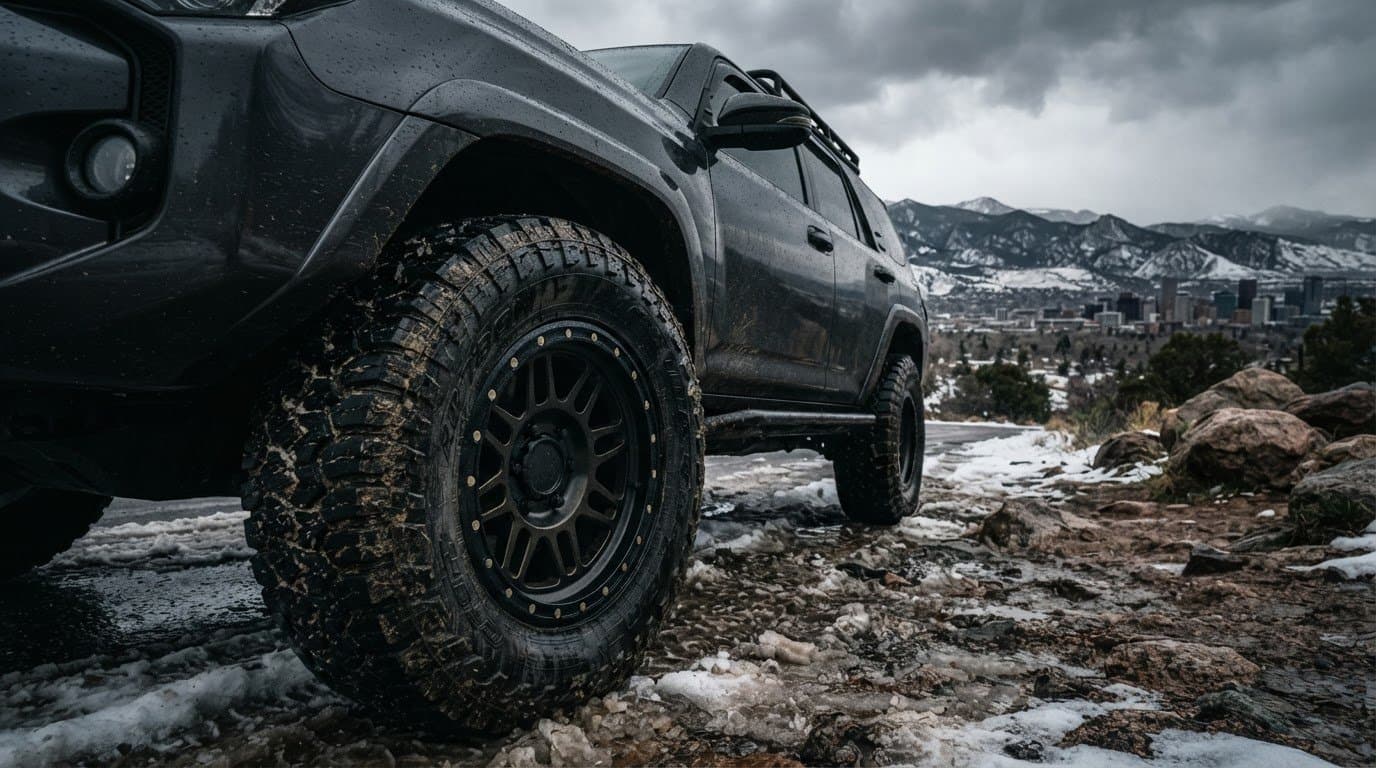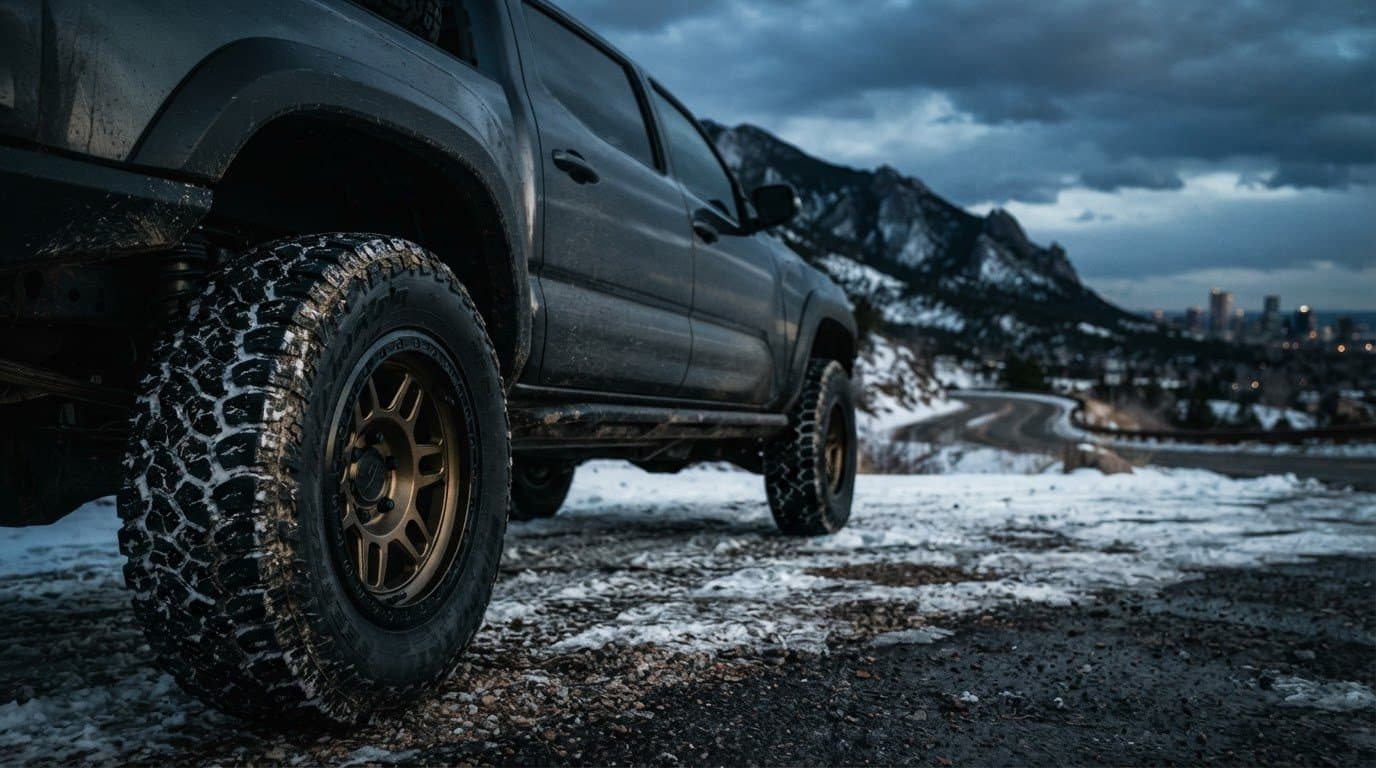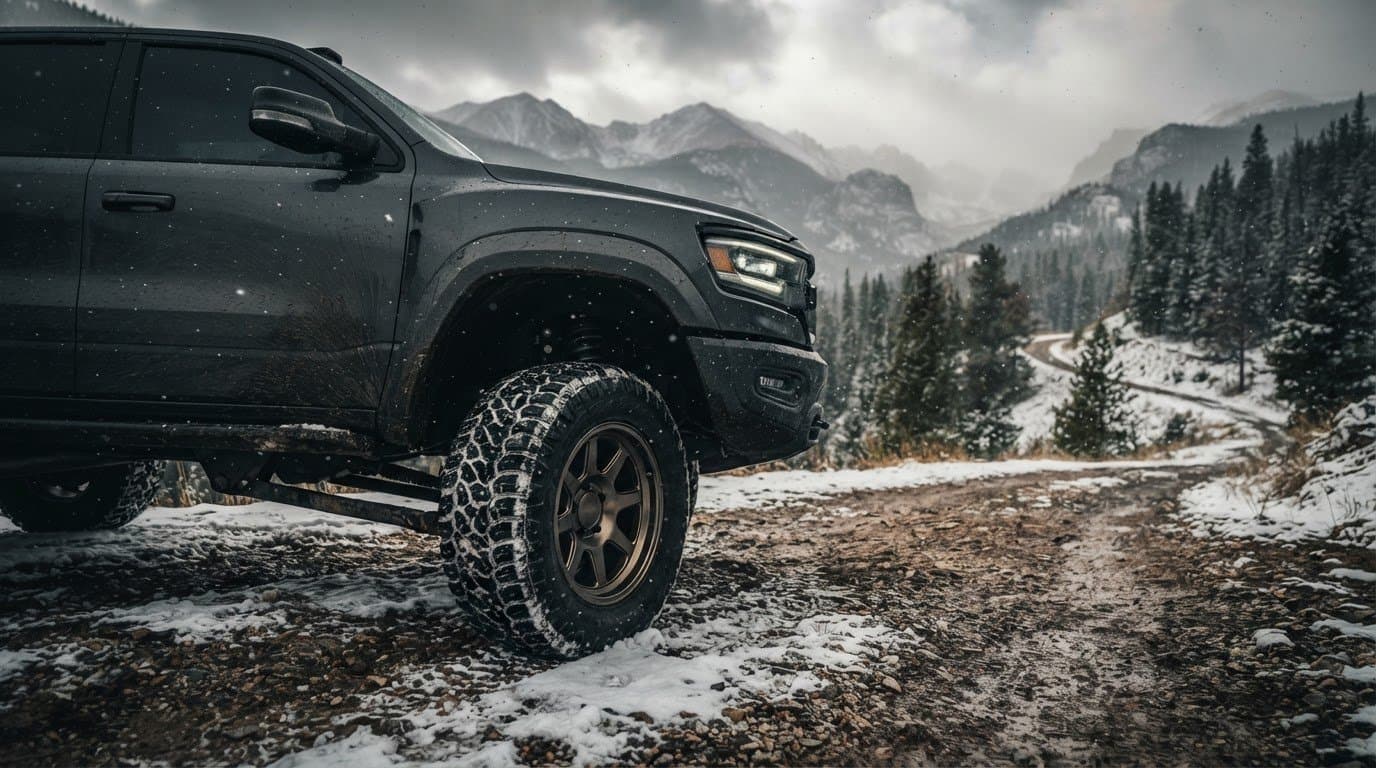

Best Ford Expedition Tires for Denver & Front Range Roads
What if your luxury family hauler is actually a heavy-duty mountain machine in disguise? Many owners view the Expedition as just a larger minivan replacement, but navigating the I-70 corridor or the steep grades of the Front Range proves otherwise. To maintain safety and performance in these conditions, selecting the right ford expedition tires is a critical decision that goes far beyond simple aesthetics. You likely want a vehicle that feels secure during a sudden October snowstorm without sacrificing the whisper-quiet cabin you enjoy on your daily commute through Denver.
Discover the perfect Ford Expedition tires to handle Colorado’s mountain passes, towing demands, and unpredictable weather with expert fitment advice. We'll demystify the confusion surrounding trim-specific sizes and load ratings while showing you how to achieve a more aggressive stance. This guide previews the essential balance between all-terrain capability and highway comfort, ensuring your SUV remains a reliable fixture in your local lifestyle regardless of what the Rockies throw your way.
Key Takeaways
- Learn why the heavy weight profile of your SUV requires specific load-rated tires to prevent premature wear on steep Colorado mountain roads.
- Identify the exact OEM specifications for your specific trim level and find the best ford expedition tires to balance rugged aesthetics with daily drivability.
- Compare the trade-offs between Highway Terrain for a whisper-quiet commute and All-Terrain options that provide essential traction for snowy weekend trips.
- Discover how a professional leveling kit can eliminate the factory rake and open up possibilities for larger, more aggressive tire fitments without rubbing.
- Understand the importance of Road Force balancing and seamless TPMS integration to ensure a vibration-free ride and a dash light-free experience.
Choosing the Right Ford Expedition Tires for Colorado’s Terrain
The Ford Expedition is a powerhouse on the road, but its sheer size creates unique challenges for its rubber. This vehicle weighs significantly more than a standard crossover, and that mass translates into immense pressure on your tread blocks. When you're descending a steep mountain grade or navigating a slushy Denver highway, your ford expedition tires are under extreme stress. Choosing the right set isn't just about finding a brand name you recognize; it's about matching the tire's construction to the vehicle's heavy-duty footprint and your specific lifestyle demands.
Most factory models arrive with P-Metric tires, which prioritize a plush ride and fuel efficiency. While comfortable, these often lack the durability required for Colorado's rugged terrain. Success starts with understanding tire codes to ensure you aren't under-specifying your load capacity. For many owners, upgrading to an LT-Metric (Light Truck) tire provides the stiffer sidewalls and improved heat dissipation needed to maintain the Expedition’s advanced safety and towing features without compromise. Choosing the right ford expedition tires involves more than just picking a brand; it's about matching the ply-rating to your GVWR.
Weight and Load Capacity: Why It Matters
The Expedition features a substantial Gross Vehicle Weight Rating (GVWR), and adding a trailer only increases the burden. If you're hauling a camper into the Rockies, your tires must support that combined weight without buckling. Using a tire with an insufficient load rating can lead to excessive sidewall flex. This generates internal heat, which is the primary cause of tire failure on high-speed stretches of I-70. We recommend looking for a higher ply-rating or even an "E" load range for frequent towers. This reinforced construction provides the stability you need for confident cornering and prevents the "squishy" handling common with standard passenger tires.
The Colorado Factor: Temperature and Traction
Denver weather is notoriously unpredictable, often swinging 30 degrees in a single afternoon. These rapid shifts cause tire pressure to fluctuate, frequently triggering TPMS alerts. Beyond pressure, the rubber compound itself is critical. Many all-season tires harden when temperatures drop below 45 degrees, losing their ability to grip the road. To stay safe and legal, look for the Three-Peak Mountain Snowflake (3PMSF) symbol. In Colorado, the Traction Law (Code 15) is in effect on I-70 from September 1st through May 31st. Compliance requires 4WD/AWD vehicles to have tires with a mud and snow (M+S) or 3PMSF rating and a minimum tread depth of 3/16 of an inch. Failing to meet these standards can result in fines ranging from $100 to over $500 if you cause a closure.
Understanding Expedition Tire Sizes, Load Ratings, and Specifications
Deciphering the alphanumeric string on your sidewall is the first step toward optimizing your vehicle's performance. For 2026 models, the most common factory tire size for the Ford Expedition is 275/55R20. If you're looking at a 275/55R20, the first number represents the width in millimeters, while the 55 indicates the sidewall height as a percentage of that width. The final number, 20, is the rim diameter. Speed ratings are equally vital; most ford expedition tires carry an "S", "T", or "H" rating. This ensures your vehicle remains stable at highway speeds, even when fully loaded for a trip to the mountains. Choosing the wrong rating can compromise handling during high-speed maneuvers on the Front Range.
OEM Size Guide by Trim Level
The Expedition's footprint varies significantly across its lineup. The XLT trim typically utilizes 18-inch wheels with 275/65R18 tires. These provide a thicker sidewall, which is excellent for absorbing potholes and offering extra flex during light off-roading. Moving up to the Limited or King Ranch usually means 20-inch wheels. These offer a sharper steering response but a slightly firmer ride. The Stealth Performance and Platinum trims often feature massive 22-inch wheels running 285/45R22 rubber. While these look incredible, they have the least amount of sidewall. This makes them more susceptible to curb damage and requires precise inflation to maintain comfort. For 2026, the 275/55R20 remains the industry standard for balancing utility and style.
The Role of TPMS in Modern Ford SUVs
Modern SUVs rely on a sophisticated Tire Pressure Monitoring System (TPMS) to keep you safe. Ford’s system uses direct sensors mounted inside the wheel to provide real-time data to your dashboard. This technology is critical in Colorado, where a sudden cold snap can drop your tire pressure by several PSI in minutes. If your pressure falls below the threshold, it can affect your compliance with Colorado's Traction Law, which mandates specific tread depths and conditions for mountain travel.
When you decide to upgrade to custom wheels and rims, it is the perfect time to install new TPMS sensors. Reusing old sensors often leads to battery failure or seal leaks shortly after the swap. Professional calibration ensures your vehicle's computer recognizes the new hardware immediately. This prevents the dreaded dash light from ruining your aesthetic and ensures your safety systems, like electronic stability control, function perfectly. If you want a setup that works as good as it looks, checking out the latest fitment options for ford expedition tires at a specialized shop is a smart move.
All-Terrain vs. Highway Terrain: Finding the Perfect Performance Balance
The choice between Highway Terrain (HT) and All-Terrain (AT) often defines how you experience the Front Range. If your Expedition rarely leaves the asphalt of I-25, Highway Terrain tires are the logical choice for maximizing MPG and maintaining a whisper-quiet cabin. Many Colorado owners find that a standard highway tread lacks the "bite" needed for a snowy morning in Evergreen or a gravel road near Estes Park. This is where All-Terrain options become the sweet spot for weekend warriors who need versatility without turning their luxury SUV into a noisy tractor.
For those who want the best of both worlds, Hybrid Terrain tires offer aggressive aesthetics with surprisingly refined highway manners. These are particularly popular for the Expedition Stealth Performance trims, where you want to maintain high-speed stability while looking ready for anything. Selecting the right ford expedition tires means evaluating your actual driving split between city commuting and mountain exploration.
Best All-Terrain Tires for the Expedition
When selecting all terrain tires, winter certification is non-negotiable for Colorado drivers. We often compare the Nitto Ridge Grappler and the Toyo Open Country for SUV fitment. The Ridge Grappler is a hybrid that excels in looking aggressive while staying quiet on the road. The Toyo Open Country is a legendary workhorse known for its longevity and consistent performance in wet slush. Beyond performance, sidewall design plays a massive role in the curb appeal of your Ford. A beefier sidewall protects your rims from trail debris and gives the Expedition a more commanding, custom stance that stands out in the carpool lane.
Highway Performance and Family Safety
If you prioritize family safety over off-road looks, your focus should be on wet-weather braking and hydroplaning resistance. Denver’s sudden rainstorms can turn dry roads into skating rinks in seconds. A high-quality highway tire uses specific siping patterns to evacuate water quickly, keeping your contact patch firm against the road. Tread design also impacts how your vehicle interacts with Ford’s BlueCruise and lane-keep systems. Tires with excessive road noise or vibration can sometimes interfere with the sensors' ability to provide a smooth autonomous driving experience. Choosing ford expedition tires with a focus on long-distance comfort ensures that a five-hour drive to the Western Slope remains relaxing rather than exhausting.

Upgrade Your Stance: Leveling Kits and Oversized Tires for the Expedition
The Ford Expedition is a massive vehicle, but its factory stance often feels a bit too "suburban" for the rugged Colorado lifestyle. Most models leave the showroom with a noticeable "factory rake," meaning the front end sits about two inches lower than the rear to compensate for heavy cargo or tongue weight. While functional for hauling, this nose-down look compromises your approach angle when navigating rocky trails near Idaho Springs or forest service roads. Upgrading your ford expedition tires often starts with correcting this geometry to unlock a more capable, aggressive appearance.
Deciding between a leveling kit vs lift kit depends on your ultimate goal. For many Denver owners, a leveling kit is the perfect middle ground. It provides enough clearance to move away from conservative stock tires without the complexity and cost of a full suspension lift. This modification allows the SUV to sit level from bumper to bumper, providing a cleaner profile and better clearance for the front air dam.
The Benefits of a Leveling Kit
A leveling kit is the most effective way to give your SUV a commanding presence. By raising the front suspension, you eliminate the rake and create a perfectly level profile. This isn't just about aesthetics; it provides the clearance needed for wider aftermarket wheel and tire packages that would otherwise rub against the wheel wells during full-lock turns. For Expedition owners who frequent mountain trails, the increased height helps protect the front valance from trail debris. It’s the essential foundation for any owner looking to move away from the "stock" look while maintaining the vehicle's original ride quality and suspension geometry.
Oversized Tire Fitment Guide
Moving to larger ford expedition tires, such as 33-inch or 35-inch variants, requires a technical approach to wheel offset and backspacing. While a 33-inch tire is a relatively straightforward fit with a basic leveling kit, jumping to a 35-inch tire is a different story. This usually involves choosing a wheel with a lower offset to push the tire away from the upper control arms and may require minor trimming of the inner fender liner. Wheel backspacing determines how far the wheel sits inside the wheel well, directly influencing whether the tire will rub against the suspension components or frame during tight turns. To keep your ride quality from degrading, it is vital to select tires with a load rating that matches the SUV's heavy weight. Professional fitment ensures that your safety sensors stay calibrated and your stance looks intentional rather than forced. If you're ready to transform your SUV's capability, visit us at Platinum Wheels to find the perfect suspension and tire combination for your specific trim level.
Expert Installation and TPMS Services in the Denver Front Range
Selecting the right rubber is only half the battle. Even the highest quality ford expedition tires will underperform if the installation isn't handled with mechanical precision. A vehicle of this size and weight requires more than a standard spin balance to ensure long-term durability. Because the Expedition carries so much mass, even a tiny imperfection in the mounting process can lead to significant vibrations and uneven tread wear over time. We focus on the technical details that big-box retailers often overlook, ensuring your SUV remains a smooth, capable cruiser on every Colorado road.
Professional Mounting and Balancing
Precision is everything when dealing with full-size SUVs. Standard balancing machines simply spin the tire to check for weight distribution. We utilize Road Force technology, which applies a specialized roller to the tire to simulate the weight of the vehicle. This process identifies "flat spots" or internal construction issues that a standard balance would miss. It is the only way to guarantee a vibration-free ride at highway speeds. We also take extreme care during the mounting process to protect your custom wheels from scratches or finish damage. Our technicians use high-end equipment designed for the tight tolerances of modern aftermarket rims, giving you peace of mind that your investment is handled with respect. A heavy vehicle shouldn't feel cumbersome. With the right balance, your Expedition will track straight and stay quiet, even on the wind-swept stretches of I-70.
Your Local Ford Expedition Experts
We take a consultative approach to every fitment. We don't just sell you what's in stock; we help you choose the specific ford expedition tires that match your lifestyle. Whether you're commuting from Aurora, navigating the hills of Lakewood, or heading deep into the mountains, your needs are unique. We take the time to discuss your towing frequency, your tolerance for road noise, and your aesthetic goals. This neighborly service extends to our seamless TPMS integration. We specialize in troubleshooting dash lights and ensuring your sensors are perfectly calibrated to Ford’s computer system. This prevents the annoyance of false alerts during Denver's frequent temperature swings. We are a reliable fixture in the local community, dedicated to delivering high-quality results with speed and precision. If you are ready to upgrade your ride, reach out to our team of professional enthusiasts. Get a custom Ford Expedition tire quote today and experience the difference that expert local knowledge makes for your SUV.
Elevate Your Expedition's Performance and Stance
Navigating the diverse terrain of the Front Range requires a vehicle that is as resilient as it is refined. By selecting the right ford expedition tires, you ensure your SUV can handle heavy towing loads and unpredictable mountain weather without sacrificing highway comfort. We've explored how matching load ratings to your GVWR prevents sidewall failure and how a professional leveling kit can transform your vehicle's capability on the trail. It's about more than just rubber; it's about a complete setup that respects the mechanical complexity of your Ford.
Our team at Platinum Wheels is here to guide you through every step of the process. We provide specialized SUV leveling kit installation and precision Road Force Balancing to guarantee a smooth, vibration-free ride at any speed. From expert TPMS sensor calibration to professional fitment advice, we ensure your SUV looks bold and performs flawlessly. Don't settle for a generic setup when you can have a custom solution tailored to the Rockies. Upgrade Your Ford Expedition at Platinum Wheels Today and drive with the confidence that comes from expert local craftsmanship. We look forward to seeing you at the shop soon.
Frequently Asked Questions
What is the largest tire I can fit on a stock Ford Expedition?
On a stock Ford Expedition, you can typically fit up to a 33-inch tire, such as a 275/60R20, without significant rubbing. This depends heavily on your wheel offset. If you're sticking with factory rims, this size provides a bit more sidewall for absorbing Denver's winter potholes. However, tight turns might still result in minor contact with the inner liner. We always recommend a test fit at our shop to ensure complete clearance.
Do I need a leveling kit to run 33-inch tires on my Expedition?
You don't strictly need a leveling kit to run most 33-inch tires, but it's highly recommended. A 2-inch front level eliminates the factory rake and provides the necessary breathing room for the suspension to cycle fully on rough mountain trails. Without the kit, you might experience rubbing when the suspension compresses while turning. It also gives the SUV a much more aggressive, truck-like stance that fits the Colorado lifestyle perfectly.
How does towing affect which tires I should buy for my Ford?
Towing significantly increases the stress on your ford expedition tires. If you frequently haul campers or trailers through the Front Range, you should prioritize LT-Metric tires with a higher ply-rating, such as Load Range E. These tires have stiffer sidewalls that reduce sway and handle the heat of heavy loads much better than standard passenger tires. Choosing the right load rating ensures your safety systems and braking remain effective when fully loaded.
Are all-terrain tires much louder than factory highway tires?
Modern all-terrain tires are surprisingly quiet compared to older designs. High-performance brands like Nitto and Toyo use variable-pitch tread patterns specifically engineered to cancel out road hum on the highway. While you might notice a slight increase in sound compared to a smooth highway tread, the trade-off is much better traction in Colorado slush and snow. For most families in Aurora and Lakewood, the improved safety and look far outweigh the minimal noise.
What happens if I don’t replace my TPMS sensors with new wheels?
If you don't replace your TPMS sensors when installing new wheels, your dashboard will display a persistent warning light. More importantly, your vehicle's safety systems, including electronic stability control and anti-lock braking, rely on accurate pressure data to function correctly. Reusing old sensors often leads to battery failure shortly after the swap. We recommend installing fresh sensors during your wheel upgrade to ensure your Expedition remains safe and compliant with local regulations.
How often should I rotate my tires when driving in the Colorado mountains?
We recommend rotating your tires every 5,000 miles, especially if you spend time driving in the mountains. The steep grades and constant cornering on I-70 put additional lateral stress on your tread blocks, leading to faster and more uneven wear than flat-land driving. Regular rotations at our Denver shop help maximize the life of your investment and ensure your braking performance remains consistent across all four corners of the vehicle.
Can I run 35-inch tires on my Ford Expedition with just a leveling kit?
Fitting 35-inch ford expedition tires typically requires more than just a standard leveling kit. While a level provides front-end height, the massive diameter of a 35-inch tire will likely rub against the frame or inner fender wells during sharp turns. This setup usually requires a more comprehensive lift kit or significant trimming of the wheel wells. If you want the 35-inch look, we suggest a consultative fitment session to discuss the necessary suspension modifications.
Does a larger tire size affect my Ford Expedition’s speedometer?
Yes, a larger tire diameter will cause your speedometer to read slower than your actual speed. Because the tire has a larger circumference, it travels further with each revolution than the factory computer expects. For example, moving from a 32-inch to a 34-inch tire can result in a 3 to 5 percent discrepancy. We can help you understand how to recalibrate your vehicle's computer so your speed, odometer, and shift points remain accurate after your tire upgrade.