
Best Ford Explorer Tires for Denver Driving & Off-Road
Imagine you're white-knuckling it up I-70 during a surprise October squall, wondering if your factory rubber is actually up to the task. It's a common realization for Colorado drivers that the stock ford explorer tires often trade mountain capability for showroom floor silence. You bought an Explorer because it's a versatile powerhouse, but the wrong set of shoes can turn a weekend adventure into a stressful ordeal. Whether you're commuting through Denver slush or exploring trails near Estes Park, your tires are the only thing connecting your vehicle to the unpredictable Rocky Mountain terrain.
We understand that choosing an upgrade feels like a minefield of technical specs. You might be confused about why an ST requires different dimensions than a Timberline, or you may worry that aggressive treads will cause annoying rubbing. This guide simplifies the process by identifying the best tire options tailored for our unique climate. We'll clarify the specific size requirements for your trim level and preview the top-performing all-terrain and winter models. By the end, you'll have the confidence to choose a setup that balances highway comfort with off-road grit, ensuring your Explorer is ready for whatever the Front Range throws your way.
Key Takeaways
- Learn how to identify your specific trim’s requirements and where to find the exact specs for your ford explorer tires to ensure a perfect fit every time.
- Compare the benefits of all-terrain versus all-season rubber to find the ideal balance for Denver commutes and weekend mountain adventures.
- Discover how leveling kits allow you to run larger, more aggressive tires without the risk of wheel well rubbing or performance issues.
- Understand why proper rotation and functional TPMS sensors are vital for protecting your Explorer’s intelligent AWD system and overall safety.
- Explore the advantages of complete wheel and tire packages that offer a streamlined, professional installation for a ready-to-drive experience.
Decoding Ford Explorer Tire Sizes and Trim Requirements
Check your driver-side door jamb before you start shopping. That white and yellow sticker is your technical roadmap. It lists the original equipment (OEM) specifications for your specific trim level. While the sixth-generation Explorer usually ships with 18, 20, or 21-inch wheels, the exact width and aspect ratio vary significantly between an XLT and an ST. Getting these numbers right is the first step in ensuring your new ford explorer tires perform as intended on Denver roads.
Understanding Your Explorers OEM Specifications
Most base and XLT trims roll on 255/65R18 setups. These offer more sidewall cushion, which is excellent for absorbing potholes on older city streets. Higher trims like the Limited or Platinum often move to 255/55R20. If you're driving the performance-oriented ST, you're likely looking at 21-inch wheels. These larger diameters look sleek, but they require specific ford explorer tires that can handle higher speed ratings. The ST needs rubber rated for high-velocity stability to maintain its composure during spirited mountain drives. Always keep your tire pressure at the manufacturer's recommended PSI. Correct inflation prevents uneven wear and ensures your SUV remains stable during sudden maneuvers or heavy braking.
Load Ratings: Why Heavy SUVs Need Reinforced Sidewalls
A Ford Explorer isn't a lightweight sedan. With a curb weight often exceeding 4,300 pounds, the pressure on your tire sidewalls is immense. This is why the load index is a non-negotiable metric. This numerical code indicates the maximum weight each tire can support safely. When you're choosing replacements, you'll typically encounter two main categories:
- Standard Load (SL): Suitable for daily commuting and light family duties.
- Extra Load (XL): Features reinforced internal structures to handle higher air pressures and heavier weights.
If you frequently tow a trailer or pack the roof rack for a trip to the high country, look for XL-rated options. These reinforced sidewalls prevent the "squishy" handling feeling that occurs when a heavy vehicle leans into a corner. Choosing the right load rating ensures your tires wear evenly and don't overheat under the stress of Colorado's steep grades and heavy payloads. It's about safety, but it's also about protecting your investment from premature wear.
All-Terrain vs. All-Season: Choosing for Colorado Driving
Living along the Front Range means your morning commute can shift from dry asphalt to a slushy mess in a matter of minutes. Selecting the right ford explorer tires involves more than just picking a brand. It requires an honest assessment of where you actually drive. While highway-terrain (HT) tires are the standard for most SUVs, Colorado's unique mix of urban potholes and mountain trails has led many owners to consider more aggressive alternatives. The Three-Peak Mountain Snowflake (3PMSF) rating is a critical factor here. This symbol indicates the tire meets specific snow traction requirements, which is essential for staying compliant with I-70 traction laws during winter storms.
The Case for All-Terrain Tires in Denver
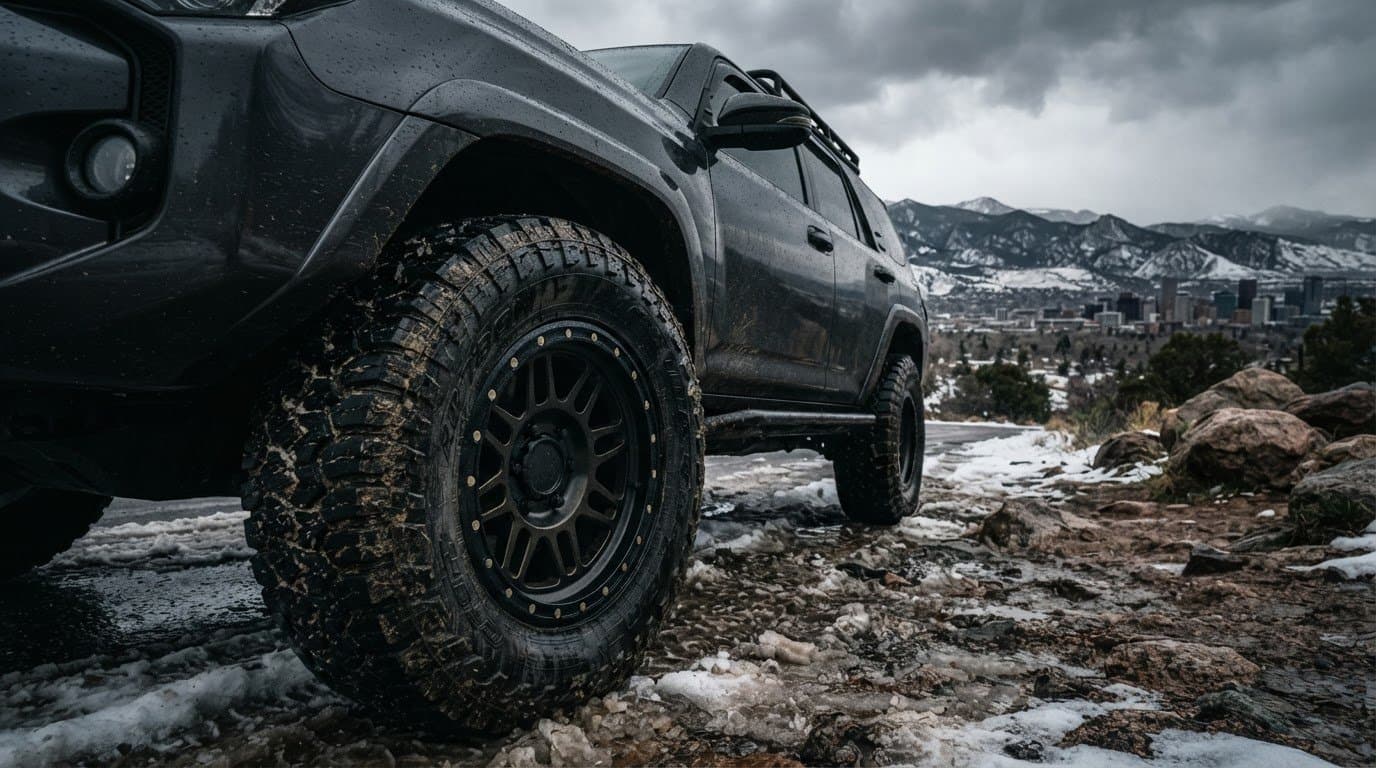
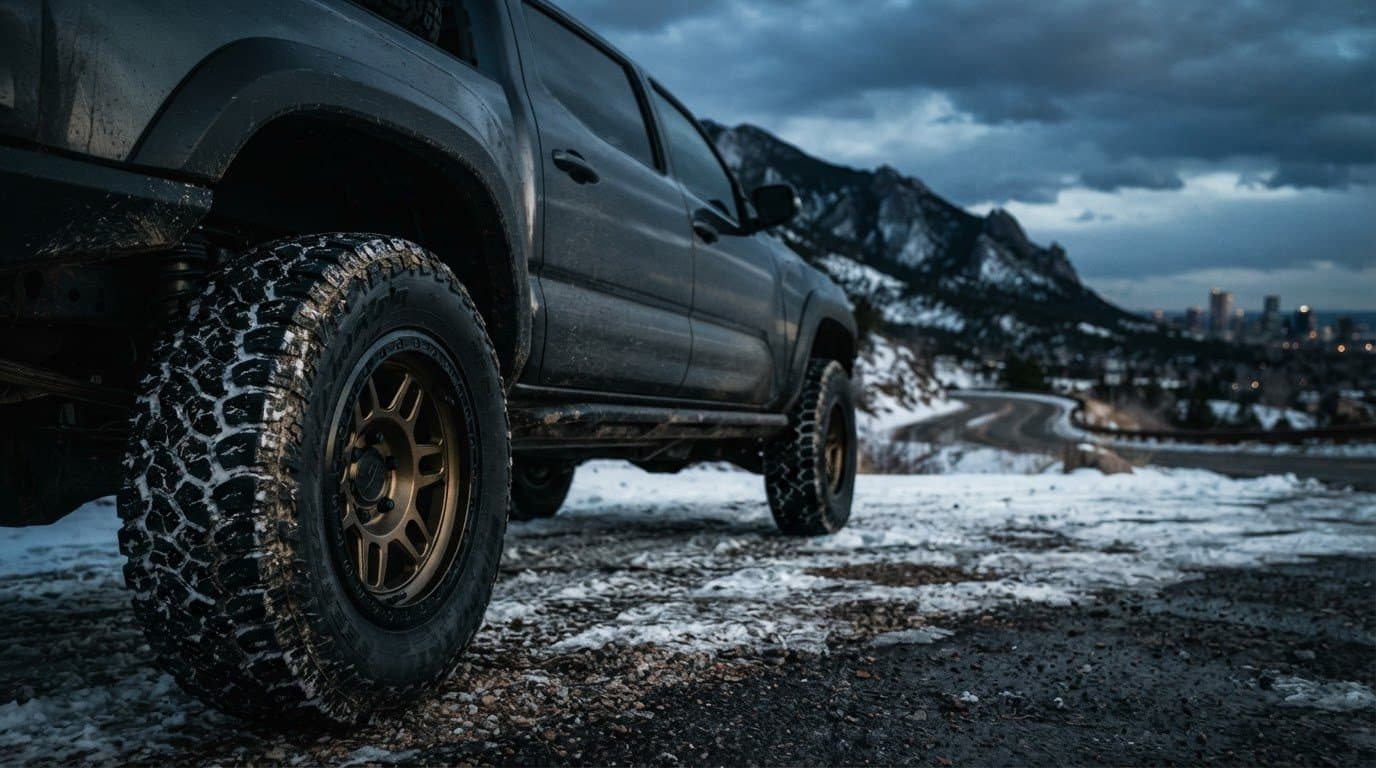
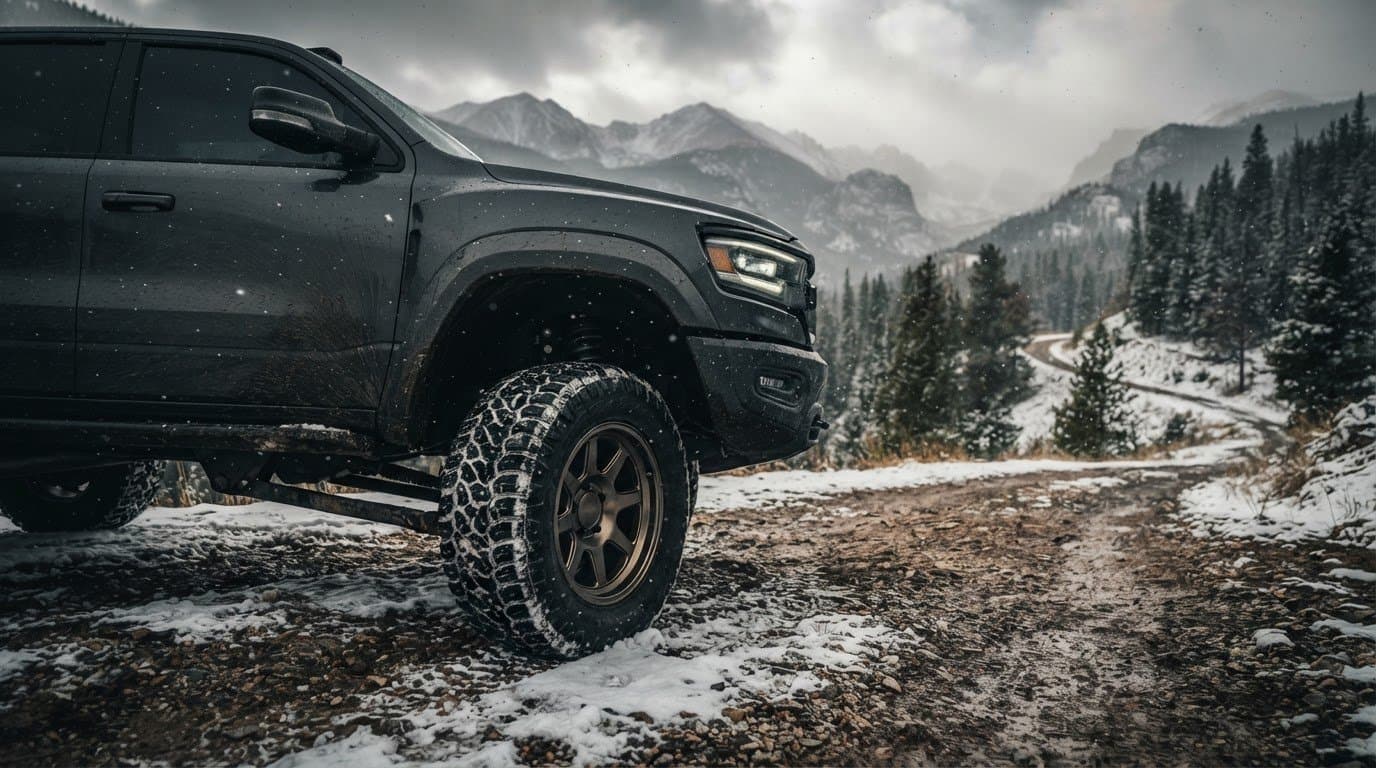
All-terrain (AT) tires are no longer just for dedicated off-roaders. They've become the tactical choice for Explorer owners who frequent trailheads near Boulder or navigate the gravel access roads around Golden. These tires feature deeper grooves and larger tread blocks designed to bite into loose dirt and snow. Durability is a massive advantage here. The reinforced construction helps resist punctures from sharp mountain debris and protects your rims from the deep potholes that plague Denver streets after a freeze-thaw cycle. Modern AT designs from top-tier brands have also solved the "noise" problem. You can now get the rugged look and capability you want without a constant hum vibrating through the cabin during your highway cruises. If you aren't sure which tread pattern fits your weekend lifestyle, our team at Platinum Wheels can help you compare the latest designs in person.
Maximizing Comfort with High-Performance All-Season Tires
If your Explorer rarely leaves the pavement, sticking with a high-performance all-season tire is often the smartest move. These tires are engineered for maximum contact with the road, providing superior grip during heavy rain and light snow. You'll notice a distinct advantage in three specific areas:
- Fuel Efficiency: Lower rolling resistance means your engine doesn't have to work as hard, leading to better MPG on long road trips.
- Ride Quality: The softer rubber compounds and specialized siping patterns absorb road vibrations, keeping the cabin quiet and comfortable.
- Braking Distance: On dry or wet pavement, the increased surface area helps your heavy SUV stop faster in emergency situations.
All-season ford explorer tires are the gold standard for drivers who prioritize a car-like feel and want to maximize their tread life. They offer a predictable, stable experience for those daily hauls on I-25 where comfort is king. However, remember that even the best all-season tire has limits once the snow gets deep or the trail gets rocky. Choosing between these two categories ultimately depends on whether you value specialized highway refinement or "go-anywhere" versatility.
Upgrading Your Explorer: Oversized Tires and Leveling Kits
Step beyond the standard factory look to unlock a more aggressive, tactical aesthetic for your vehicle. Choosing larger ford explorer tires is the most effective way to improve ground clearance and trail capability. However, simply bolting on the biggest rubber you can find often leads to technical headaches. You have to account for the physical limits of the wheel wells and the impact on your vehicle's computer. A larger tire diameter changes your effective gear ratio, meaning your speedometer will likely read slightly slower than your actual speed on the highway. This discrepancy can also affect your transmission shift points if the size jump is significant enough.
Fitting 31-inch and 32-inch Tires on an Explorer
Most sixth-generation Explorers can handle a 31-inch tire without any modifications. This subtle increase provides a meatier look without sacrificing daily drivability. If you want to push into 32-inch territory, you'll likely encounter rubbing against the plastic inner liners or suspension components when the steering wheel is at full lock. Wheel offset is the distance from the hub mounting surface to the wheel’s true centerline, and it dictates whether your setup sits flush with the body or pokes out for a wider track. Getting the offset right is critical. Too much poke can cause the tire to catch the fender edge during deep suspension compression on a trail, potentially damaging both the rubber and the bodywork.
Why a Leveling Kit is the Best First Upgrade
Ford designs the Explorer with a slight rake, meaning the front sits lower than the rear to assist with aerodynamics and towing. Installing leveling kits raises the front end to match the rear, creating a perfectly level profile. This modification is the secret sauce for clearing aggressive ford explorer tires that would otherwise rub. Beyond the visual appeal, a leveled stance improves your approach angle. This means you’re less likely to scrape your front valence when navigating steep driveway entrances in Denver or light obstacles on a forest service road. We recommend professional installation for these components to ensure your suspension geometry remains within safe operating specs and your alignment stays true. This proactive step protects your new tire investment from the rapid, uneven wear caused by skewed suspension angles and ensures your SUV handles predictably at highway speeds.

Maximizing Tire Longevity: Maintenance and TPMS Essentials
Investing in a premium set of ford explorer tires is only the first half of the battle. The real work begins with a proactive maintenance schedule that accounts for Colorado's extreme temperature swings and punishing road conditions. Between the high-altitude sun baking the rubber and the chemical de-icers used on I-70, your tires face a constant environmental assault. Neglecting simple tasks like alignment checks or regular rotations doesn't just shorten the life of your tread; it can actually compromise the sophisticated all-wheel-drive (AWD) system that makes your Explorer so capable in the snow. If your vehicle pulls to one side or you notice the steering wheel isn't perfectly centered, your alignment is likely out of spec, which leads to rapid inner-shoulder wear.
TPMS: Avoiding the Dash Light Headache
Safety starts with accurate pressure monitoring. Modern TPMS sensors are integrated into the wheel assembly and provide real-time data to your dashboard. Most Ford Explorers utilize a direct TPMS system, which means there's a physical sensor and battery inside every tire. These batteries typically have a lifespan of 5 to 10 years, but the harsh vibrations of off-road driving or extreme mountain cold can shorten that window. When you're upgrading to a new set of wheels, it's the perfect time to install fresh sensors. Reusing old sensors often leads to a "dash light headache" a few months later when a battery finally fails, forcing you to pay for another mount and balance service just to swap a small part. New sensors provide the peace of mind that your safety systems are functioning as intended during every Denver commute.
Rotation and Balancing for Large SUV Tires
Uniform tread depth is critical for AWD Ford Explorers. Because the vehicle's computer constantly monitors wheel speed to distribute power, having tires with different levels of wear can trick the system and cause unnecessary drivetrain strain. We recommend a rotation every 5,000 to 7,500 miles. If you've moved up to 20-inch or 21-inch wheels, high-speed balancing becomes even more vital. Larger wheel diameters amplify even the slightest weight imbalances, leading to annoying vibrations that you'll feel through the steering wheel or seat. If you notice "cupping" or "feathering" on the tread blocks, it's a clear sign that your shocks or struts might be struggling. For those who swap to a dedicated winter set, store your off-season tires in a cool, dry place away from direct sunlight to prevent the rubber from drying out and cracking. To keep your setup in peak condition, schedule a professional maintenance check at Platinum Wheels today.
Expert Tire Installation and Custom Packages in Denver
Choosing the right ford explorer tires is a significant decision, but the installation process is where that investment truly pays off. Many drivers head to big-box retailers only to find that generic technicians lack the specific fitment knowledge required for modern SUVs. At Platinum Wheels, we don't just slap rubber onto rims. We understand the nuances of the Explorer's suspension and AWD system. Our specialized approach ensures that every mounting and balancing service is performed with precision, eliminating the highway vibrations that often plague larger wheel setups. We treat your vehicle like our own, focusing on the technical details that general repair shops often overlook.
Building Your Perfect Wheel and Tire Package
One of the smartest ways to upgrade is by selecting a complete wheel and tire package. This approach allows you to match aggressive off-road rims with a tread pattern that suits your specific driving habits. Instead of piecing together components from different sources, we provide a unified solution. This includes everything from the correct lug nuts to fully integrated TPMS sensors. The primary advantage is the "ready-to-drive" experience. When your package is professionally assembled and balanced under one roof, you avoid the hassle of coordinating multiple shipments or dealing with fitment surprises. It's a streamlined way to get the tactical look and mountain-ready performance your Explorer deserves.
Serving the Front Range: From Aurora to Castle Rock
Local expertise is irreplaceable when it comes to Colorado-specific driving needs. We know the difference between a tire that works in a laboratory and one that survives a commute from Aurora to Castle Rock during a blizzard. By supporting an independent local business, you get personalized service that big-box chains simply can't match. We take the time to listen to your goals, whether you're looking for maximum fuel efficiency on I-25 or rugged durability for weekend camping trips. Our consultative style means we'll never push a product that doesn't fit your lifestyle. We're proud to be a reliable fixture in the community, helping our neighbors navigate the unique environmental demands of the Rockies. Ready to transform your ride? Schedule your Ford Explorer tire consultation at Platinum Wheels today!
Equip Your Explorer for the Colorado Front Range
Navigating the Rockies requires more than just a capable SUV; it demands a tactical approach to your vehicle's footprint. We've explored how decoding your specific trim requirements and selecting the right tread pattern can transform your driving experience. From ensuring your TPMS sensors are properly integrated to choosing a reinforced load rating for mountain hauls, every technical detail matters for long-term performance and safety.
Finding the perfect set of ford explorer tires doesn't have to be a guessing game. Our specialized SUV fitment experts are ready to help you build a complete wheel and tire package or install a professional leveling kit to clear those aggressive upgrades. We take the stress out of the technical specs so you can focus on the next adventure. Upgrade Your Ford Explorer at Platinum Wheels Today!
Your next mountain trip is just around the corner. Let's make sure your Explorer is ready to lead the way with confidence and style.
Frequently Asked Questions
What is the standard tire size for a Ford Explorer?
Standard sizes for the sixth-generation Explorer include 255/65R18 on the XLT, 255/55R20 on the Limited, and 275/45R21 on the ST performance trim. Always verify your specific setup by checking the tire and loading information placard located on your driver-side door jamb. Choosing the correct size ensures your speedometer and safety systems remain accurate. If you're looking to change sizes for a more tactical look in Denver, consult an expert to ensure proper clearance.
Can I put all-terrain tires on my Ford Explorer?
You can absolutely mount all-terrain ford explorer tires on your vehicle to improve off-road grit and winter traction. Many Colorado owners prefer AT treads because they offer reinforced sidewalls and better performance on loose gravel near Boulder. Look for models with the Three-Peak Mountain Snowflake symbol. This rating ensures you stay compliant with Colorado's traction laws on I-70 while providing the versatility needed for both city commutes and weekend trailhead access.
How long do tires typically last on a Ford Explorer?
Most tires on an Explorer last between 40,000 and 60,000 miles depending on the tread compound and your driving habits. Colorado’s extreme temperature swings and abrasive mountain roads can accelerate wear. Because the Explorer uses a sophisticated AWD system, uniform tread depth is vital. Regular rotations every 5,000 miles help maximize longevity. If you notice uneven wear patterns, it's often a sign that your alignment needs attention after hitting a deep Denver pothole.
Do I need to replace my TPMS sensors when I get new tires?
We recommend replacing your TPMS sensors if they're more than five years old or if you're upgrading to a new wheel and tire package. These sensors have internal batteries that eventually fail. Swapping them during a tire installation is much more efficient than waiting for a failure later. It prevents the annoyance of a persistent dashboard warning light and ensures your vehicle's safety systems accurately monitor your ford explorer tires during high-altitude mountain drives.
Will larger tires affect my Ford Explorers gas mileage?
Yes, moving to a larger or more aggressive tire will typically result in a slight decrease in fuel efficiency. Heavier all-terrain treads have higher rolling resistance than standard highway tires. You might see a drop of one or two miles per gallon depending on the weight of the new setup. However, many Denver drivers find the trade-off worth it for the increased durability and superior traction provided during winter storms and off-road excursions.
Is a leveling kit necessary for 32-inch tires on an Explorer?
A leveling kit is highly recommended if you plan to run 32-inch tires. While some 31-inch tires might fit a stock suspension, 32-inch options often rub against the inner fender liners or suspension components during tight turns. A leveling kit raises the front end to match the rear, providing the necessary clearance for aggressive treads. This modification also improves your approach angle, which is helpful when navigating steep driveway inclines or forest service roads.
What is the best tire pressure for a Ford Explorer?
The best tire pressure is the specific PSI listed on your vehicle's door jamb sticker, which is usually between 33 and 35 PSI. Don't use the "max pressure" listed on the tire sidewall itself. Proper inflation is critical for SUV stability and even tread wear. Remember that Denver’s altitude and temperature changes affect pressure. For every 10-degree drop in temperature, your tires can lose about one pound of pressure, so check them frequently during winter.
Should I buy a complete wheel and tire package or just tires?
Buying a complete wheel and tire package is often the better choice for drivers looking for a tactical upgrade. These packages arrive professionally mounted and balanced with TPMS sensors already installed. This ready-to-drive solution ensures that your new off-road rims and tires are perfectly matched for fitment and offset. It eliminates the hassle of coordinating multiple parts and ensures your Ford Explorer has a cohesive, high-performance look that stands out on the Front Range.