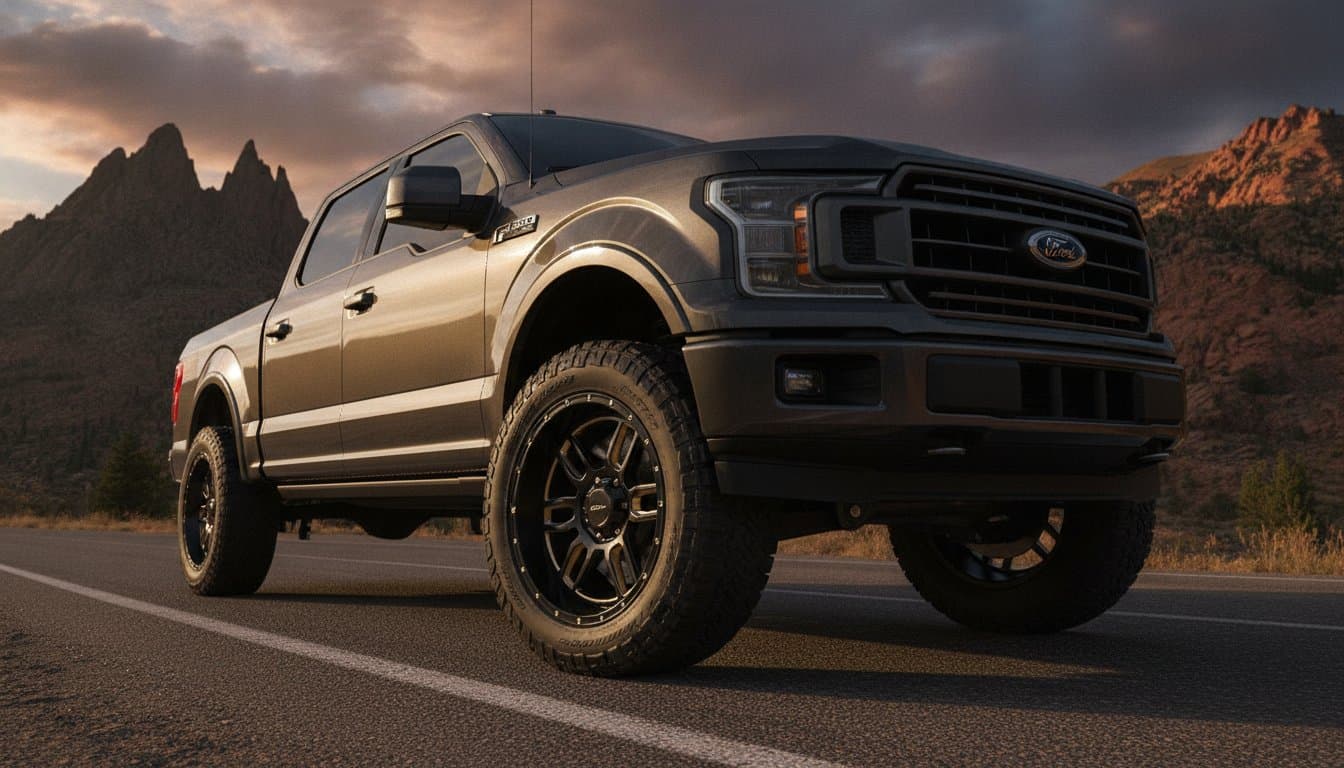
Best Ford F-150 Wheels in Denver | Custom Rim Guide
Your factory-spec truck was built for the masses, but it takes a specific wheel and tire strategy to conquer the Colorado backcountry without compromise. Most owners want that aggressive, wide-track stance that turns heads on Speer Boulevard, yet the fear of hearing your new ford f-150 wheels rub against the fender every time you hit a trail dip is a common stressor. It's often confusing to navigate technical specs like backspacing and offset when all you want is a setup that handles the I-70 climb as well as it looks on the showroom floor.
We're here to clear up that confusion and help you master the perfect fitment for your rig. You'll learn how to choose a setup that clears 35-inch tires without sacrificing the smooth ride quality you need for the Front Range's varied terrain. This guide breaks down the essential 6x135 bolt patterns, the truth about positive versus negative offset, and how to pair your rims with the right leveling kit to build a truck that truly dominates the trail. Whether you are prepping for a weekend at Red Rocks or a trek through the Rockies, getting these details right is the first step toward a superior build.
Key Takeaways
- Master the technical requirements for modern ford f-150 wheels, focusing on the 6x135 bolt pattern and how offset impacts your truck's width.
- Distinguish between rugged off-road rims and sleek street performance styles to find the aesthetic that suits your personal brand.
- Learn how to pair your new wheels with a leveling kit to fit larger 35-inch tires while maintaining a smooth ride.
- Streamline your build with all-in-one wheel and tire packages that include professional installation and high-speed balancing.
- Gain the confidence to select a setup that dominates Colorado trails and looks better than any stock truck in the driveway.
Why Upgrade Your Ford F-150 Wheels? Beyond the Factory Look
The Ford F-150 is the undisputed king of the road for a reason, but from the factory, it is designed to appeal to the widest possible audience. This means the stock setup is often a compromise. For the Colorado driver, the F-150 is the ultimate blank canvas. It's a platform ready for personal expression and functional improvements that the assembly line simply can't provide. Upgrading your ford f-150 wheels is the most effective way to transition from a generic work truck to a rig that reflects your lifestyle and handles the unique demands of the Front Range.
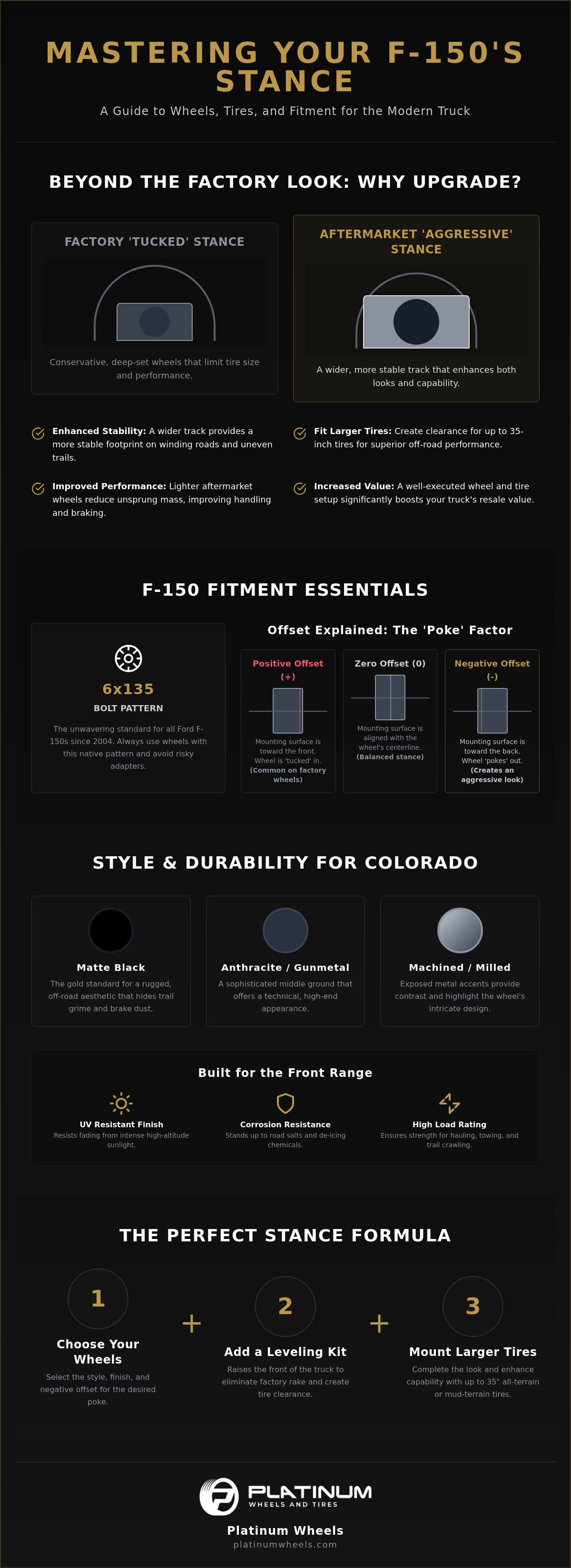
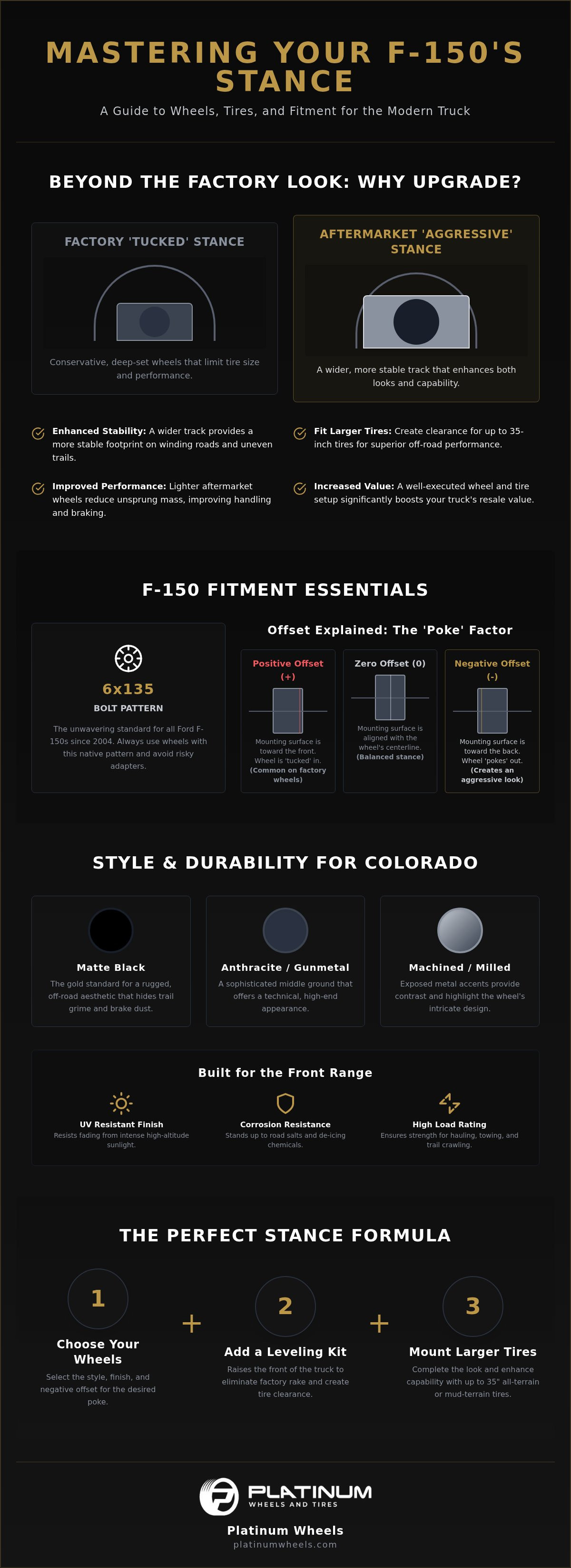
Factory wheels typically suffer from a "tucked-in" stance, where the rims sit deep inside the wheel wells. This looks conservative and limits your ability to run larger, more capable tires. By choosing an aftermarket setup, you can achieve a wider track. This doesn't just look better; it provides a more stable footprint when you are navigating winding mountain passes or uneven trails. High-quality rims also provide better support for the tire bead, which is essential if you plan on airing down for traction in deep snow or sand. Beyond performance, a tasteful set of wheels significantly boosts resale value. In a truck-heavy market like Denver, a well-sorted F-150 with premium wheels stands out to buyers who want a vehicle that is already trail-ready.
Aesthetics vs. Performance: Finding the Balance
Choosing the right wheel requires a look at the physics of your truck. Understanding Wheel Sizing is critical because every pound of weight you add to your wheels is "unsprung mass." This weight affects how your suspension reacts to bumps and how much effort your engine needs to get the truck moving. Lighter, high-quality wheels can actually improve your fuel economy and braking response compared to heavy, cast-factory options. When it comes to the visual side, Denver truck owners generally prefer the "Colorado Look," which involves aggressive offsets that push the wheels out toward the edge of the fenders. You should consider these popular finishes for your build:
- Matte Black: The gold standard for a rugged, off-road aesthetic that hides brake dust and trail grime.
- Anthracite/Gunmetal: A sophisticated middle ground that offers a technical, high-end appearance.
- Machined: Features exposed metal accents that provide contrast and highlight the wheel's design.
Durability for the Front Range
Colorado's environment is notoriously harsh on automotive finishes. Between the intense high-altitude UV rays and the magnesium chloride used by CDOT to de-ice roads, cheap wheels won't last long. We prioritize wheels with multi-stage powder coats and protective clears that can resist chemical corrosion during our long winters. Strength is just as vital as the finish. When you're trekking through the Rockies, your wheels encounter sharp rocks and deep ruts that can bend or crack a standard rim. Investing in a set of wheels with a high load rating ensures that your rig remains reliable whether you're hauling a trailer or crawling through a technical trail. It's about protecting your investment and your peace of mind.
Understanding F-150 Wheel Fitment: Bolt Patterns, Offset, and Backspacing
Fitment is the most technical part of your build, and it is where a project either succeeds or fails. Getting the dimensions wrong leads to tires that rub against the frame or wheels that stick out so far they pelt your paint with gravel. To choose the right ford f-150 wheels, you need to look past the design and focus on the geometry of the 14th-generation chassis. This ensures your truck maintains its legendary capability while gaining a custom look that feels factory-engineered.
The 6x135 Standard: What You Need to Know
The 6x135 bolt pattern, consisting of six lugs spaced 135 millimeters apart, has remained the unwavering standard for Ford F-150s since 2004. This consistency is a win for owners, as it means wheels designed for a 2015 model will technically bolt onto a 2026 rig. However, you should never attempt to "make" a different pattern work using cheap spacers or adapters. These components introduce weak points that can't handle the torque of an EcoBoost engine or the weight of a fully loaded bed. Stick to the native 6x135 spec to ensure your lugs are properly seated and your wheels stay exactly where they belong.
Offset and the 'Poke' Factor
Offset determines where the wheel sits in relation to the fender. Factory F-150 wheels typically feature a high positive offset, usually around +44mm, which keeps the tire tucked neatly inside the wheel well. If you want that aggressive "poke" where the tire sits flush or slightly outside the fender, you'll need to move toward a lower positive or even a negative offset. While a negative offset looks incredible, it increases the scrub radius, which can make the steering feel heavier and put more stress on your wheel bearings. In Colorado, it is also a matter of practicality; if your tires stick out too far without fender flares, you'll likely find yourself cleaning mud and road salt off your door handles after every trip to the mountains.
Backspacing is the other side of the coin. It measures the distance from the mounting surface to the back edge of the rim. If your backspacing is too deep, the inner lip of the wheel will collide with your brake calipers or control arms. We also prioritize hub-centric wheels with an 87.1mm center bore. Hub-centric designs ensure the truck's weight is supported by the center of the axle rather than just the lug studs, which eliminates the highway vibrations that plague lower-quality setups. Following NHTSA Tire Safety Guidelines regarding proper sizing and load ratings is the best way to ensure your custom rig remains safe for family road trips. If you are feeling stuck on the math, it helps to chat with a local fitment expert who knows exactly how a 20x9 wheel reacts with a 33-inch tire on a stock F-150 suspension.
Choosing the Right Style: Off-Road Rims vs. Street Performance
Your F-150's personality is defined by its shoes. In the Front Range, we generally see two distinct directions for ford f-150 wheels: the rugged off-road specialist and the high-performance street sport. Choosing between them isn't just about looks; it's about how you intend to use your truck from Monday through Sunday. Your wheel choice dictates how the vehicle handles the transition from city pavement to washboard dirt roads.
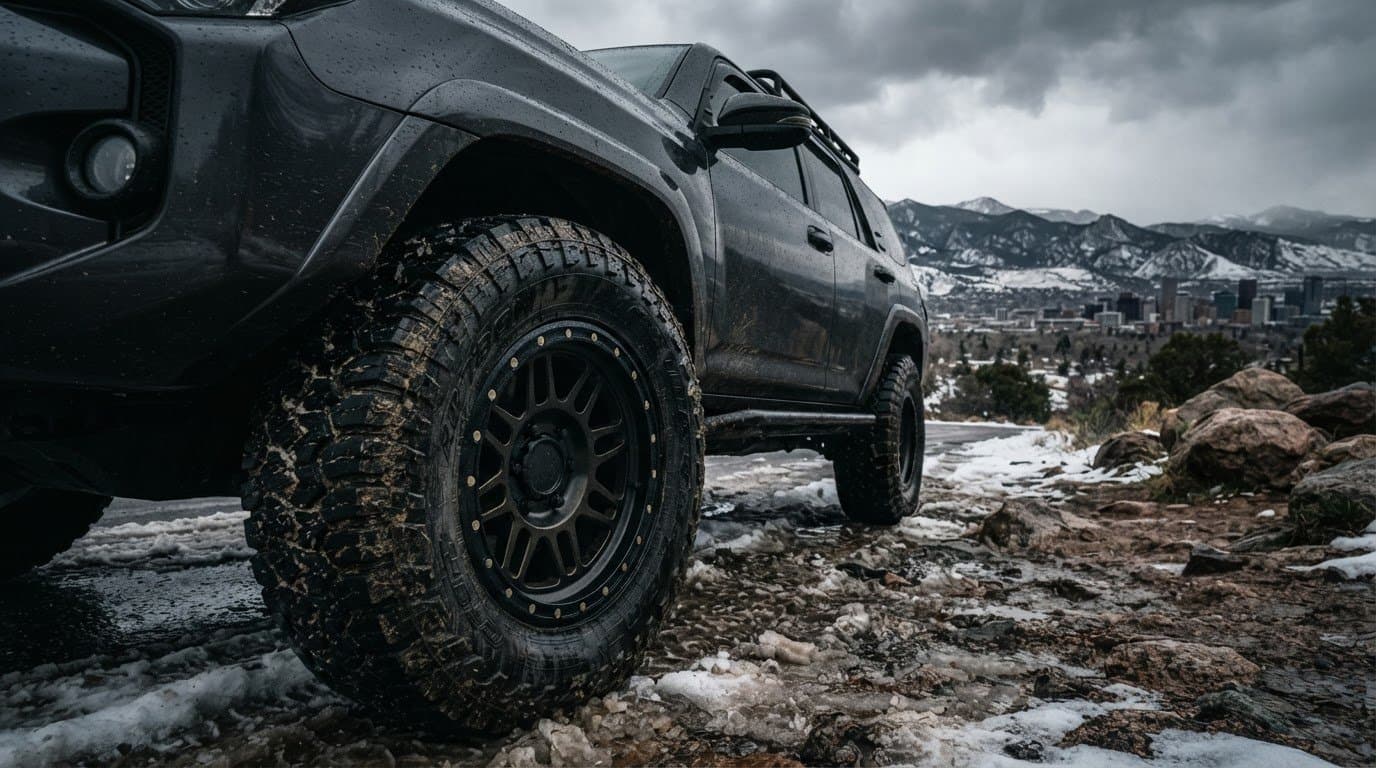
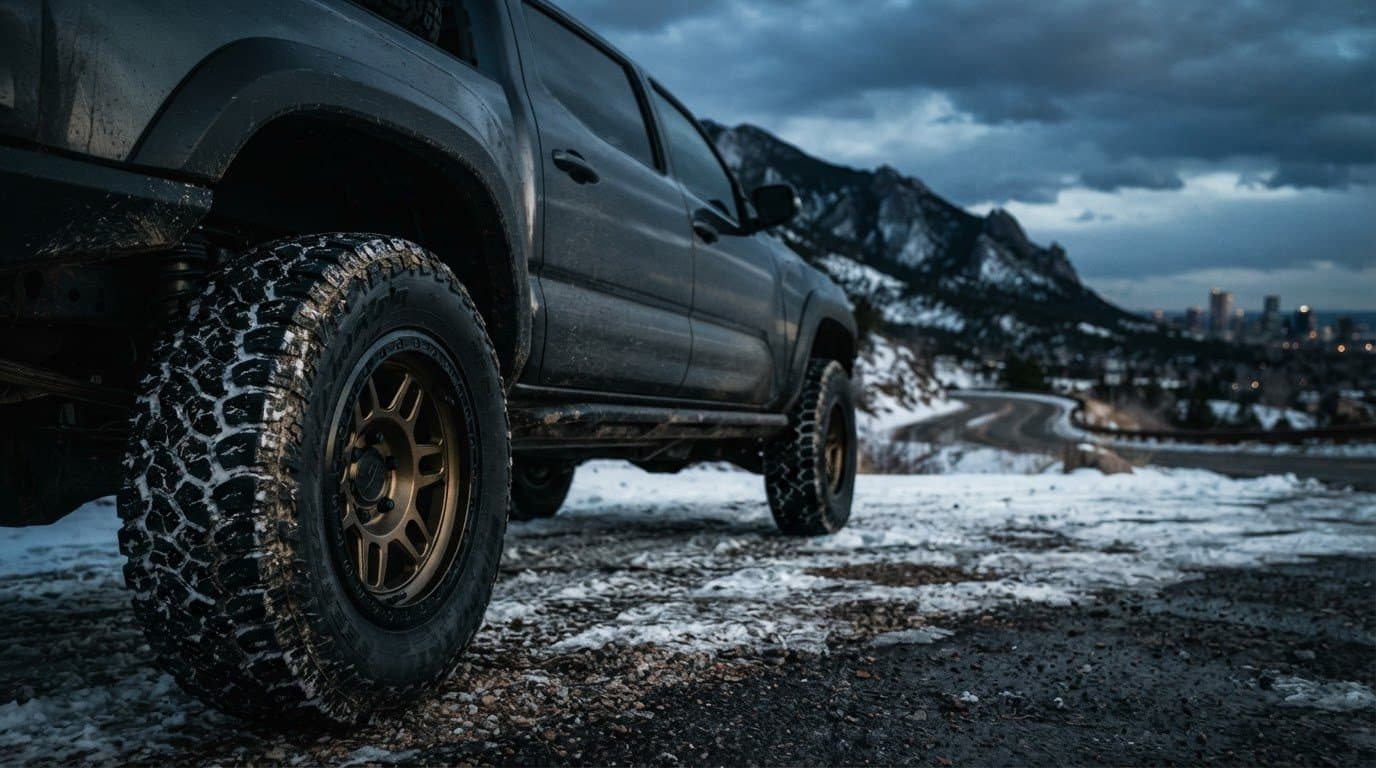
Off-road rims are built to take a beating. They often feature chunky, multi-spoke designs that provide structural integrity against lateral impacts. You'll see finishes like matte bronze or textured black that are designed to hide the inevitable scuffs from a weekend at Yankee Hill. On the other hand, street-focused styles lean toward larger 20 to 22-inch diameters. These setups provide a sharper steering response and fill out the wheel wells for a more planted, aggressive stance on the asphalt. They are perfect for the owner who wants their truck to look like a premium performance machine while cruising through Cherry Creek. For those who also maintain a luxury vehicle in their stable, Elite Custom Rims provides a similarly curated selection of high-quality wheels for performance brands like Audi and Porsche.
When the snow starts falling in Denver, the material of your rims becomes a matter of survival for your finish. We often get asked about the benefits of alloy rim wheels compared to traditional steel. While steel is undeniably tough, it's prone to rust once the paint chips. Aluminum alloy is the superior choice for most F-150 owners because it's naturally corrosion-resistant and significantly lighter. This reduced weight helps your suspension react faster to potholes on Colfax. For the best longevity, look for powder-coated finishes rather than simple paint. Powder coating is baked onto the metal, creating a thick barrier against the magnesium chloride used on our winter roads.
Beadlocks and Off-Road Functionality
If you're serious about rock crawling, you've likely considered beadlocks. A true beadlock uses a physical ring to bolt the tire to the wheel, allowing you to run extremely low air pressures without the tire slipping off the rim. However, true beadlocks are often not DOT-approved for highway use and require constant maintenance. Most Denver drivers opt for "simulated" beadlocks. These provide the rugged look of a trail rig while remaining completely street-legal and easy to balance.
Regardless of the style you choose, maintaining your setup is vital. Following the Tire Care Essentials provided by industry experts will help you get the most mileage out of your investment. Proper rotation and pressure checks are especially important when you've moved to a wider aftermarket rim that changes how the tire contacts the road. Popular brands like Method Race Wheels and Fuel Off-Road have become staples in the Colorado truck scene because they offer the perfect mix of trail-proven durability and head-turning style. They've mastered the art of making a wheel that looks just as good caked in mud as it does under the lights of a car wash.
The Perfect Stance: Combining F-150 Wheels with Leveling Kits and Tires
Building a truck that looks aggressive but remains functional requires more than just picking a design. You have to consider the geometry of the suspension. Most owners realize quickly that the factory "rake", where the front sits lower than the rear, limits the size of ford f-150 wheels and tires you can run. Deciding between a leveling kit vs lift kit is typically your first major hurdle. For the majority of Denver drivers, a leveling kit provides the perfect middle ground by raising the front to match the back, opening up enough space for a much meatier tire setup.
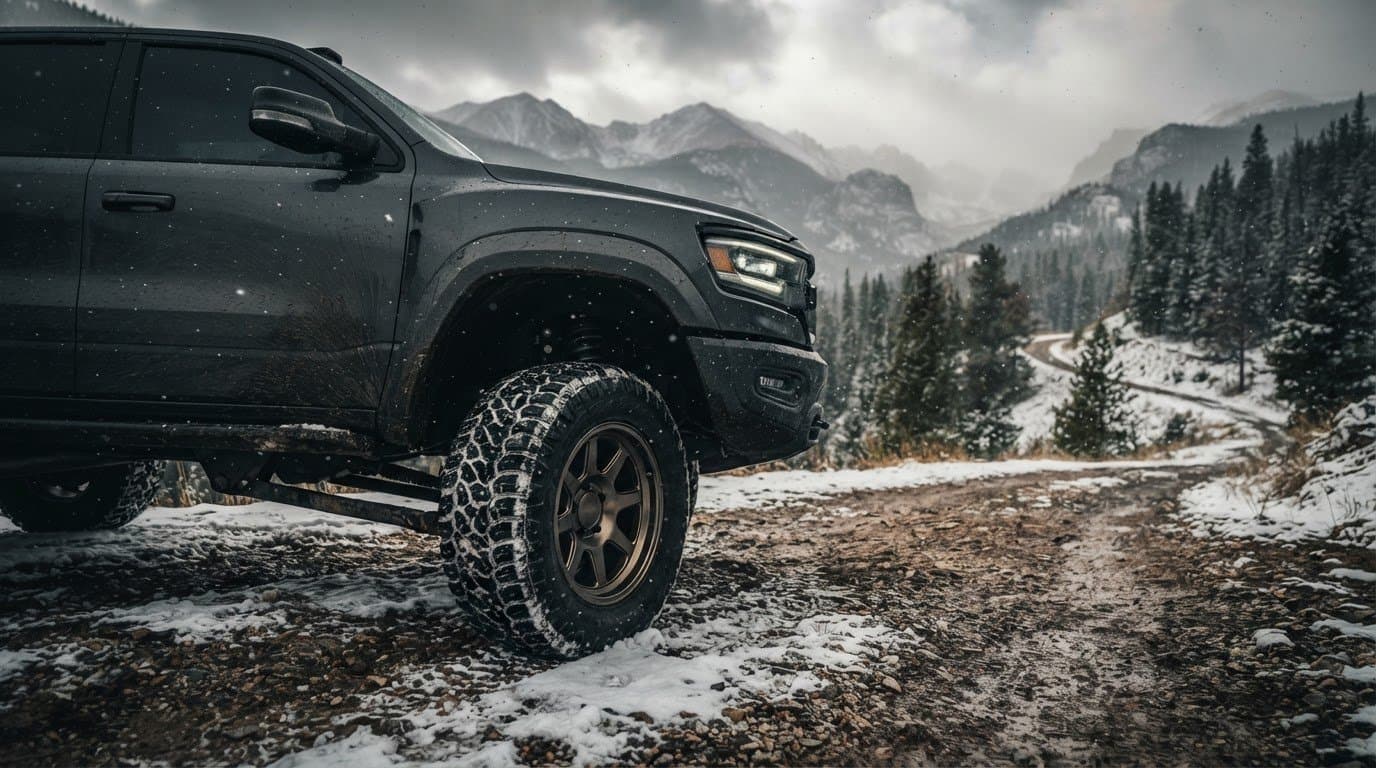
The 14th-generation F-150 is remarkably accommodating. You can often fit 33-inch tires on stock suspension, but moving to a 35-inch tire is where things get interesting. To clear 35s without significant "trim and tuck" work on your plastic liners or crash bars, you'll need that 2 to 2.5-inch front lift. Even then, your wheel offset is the deciding factor. A wheel that sticks out too far with a negative offset will swing in a wider arc. This increases the likelihood of rubbing when you're turning into a steep driveway or navigating a tight trail in the Rockies.
Achieving the Level Look
Getting the stance right is a three-step process. First, measure your factory rake by checking the distance from the center of the hub to the fender lip on both the front and rear. Second, choose a leveling kit that bridges that gap. Most F-150s require about 2 inches to sit perfectly flat. Finally, select your wheel offset to complement this new height. A +18mm to +20mm offset is often the "sweet spot" for a leveled F-150, providing a flush look that accommodates larger tires without excessive trimming. This setup ensures you don't compromise your truck's towing or hauling capacity, keeping it ready for work on Monday after a weekend of play.
Tire Synergy: The 'All-Terrain' Advantage
A great set of rims is only as good as the rubber wrapped around them. Pairing your new setup with the right all terrain tires is essential for Colorado's unpredictable weather. A taller sidewall doesn't just look tough; it acts as an extra layer of suspension, soaking up the impact of Denver's notorious spring potholes. However, keep in mind that larger tires will affect your speedometer. We recommend a quick PCM recalibration to ensure your shifts remain crisp and your speed readings stay accurate. If you're ready to transform your truck's profile, schedule a consultation with our suspension team to find the exact combination of lift and wheels for your F-150.
Custom Wheel and Tire Packages in Denver: The Platinum Wheels Advantage
Sourcing your truck components individually often leads to logistical headaches and unexpected fitment issues. When you bundle your ford f-150 wheels into a complete package, you ensure that every part of the assembly is designed to work in total harmony. This streamlined approach saves significant time and typically results in a more cost-effective build than buying rims and tires from separate retailers. We handle the technical heavy lifting, from verifying the 6x135 bolt pattern to ensuring the load ratings meet the demands of your specific F-150 model, whether it's a heavy Lightning or a high-output Raptor.
Professional mounting and high-speed balancing are the unsung heroes of a high-quality ride. Without precise balancing, those aggressive all-terrain tires will vibrate through your steering wheel the moment you hit 65 mph on I-70. We utilize specialized equipment to ensure a perfect seat between the rim and the tire bead, which protects your investment from slow air leaks and premature tread wear. You should also include a new TPMS sensor with your package. This simple step keeps your dashboard free of annoying warning lights and allows you to monitor your tire pressure accurately during Denver's extreme temperature swings.
One-Stop Shop for the Front Range
We take immense pride in serving Denver, Aurora, and the surrounding Colorado communities with specialized knowledge that national big-box retailers simply can't provide. Our team offers expert consultation to guarantee "zero-rub" fitment, even when you are pushing the limits with an aggressive 35-inch tire setup. Because we specialize in aftermarket wheel and tire packages, we offer fast turnaround times that get your rig back on the trail or the job site without delay. We understand the local terrain, and we know exactly which setups survive the Rockies.
The Platinum Wheels Experience
Platinum Wheels is committed to professional craftsmanship and deeply rooted in our local community. We aren't a general mechanical repair shop; our entire business is built around truck and SUV suspension and wheel specialization. This dedication allows us to master the nuances of the F-150 platform, ensuring your leveling kit and wheel combination is installed with the precision your truck deserves. We value transparency and consultative service over high-pressure sales. Ready to transform your truck? Visit Platinum Wheels today!
Ready to Build Your Ultimate F-150?
Transforming your truck from a stock commuter into a trail-dominating machine starts with mastering the technical details of fitment. You now understand how the 6x135 bolt pattern and strategic offsets allow you to run larger tires without compromising your ride quality or safety. Choosing high-quality ford f-150 wheels is about more than just aesthetics; it's about ensuring your rig can handle the salt-covered roads of Denver and the jagged rocks of the Rockies with equal confidence.
Don't settle for a generic setup that doesn't account for the unique geometry of your suspension. Our team provides specialized fitment for all F-150 generations, ensuring every component from the TPMS sensors to the high-speed balancing is handled with precision. When you're ready to see the difference professional Denver-based installation makes, we're here to help you dial in the perfect stance. Build your custom Ford F-150 wheel and tire package at Platinum Wheels! We look forward to seeing your build out on the Colorado trails soon.
Frequently Asked Questions
What is the bolt pattern for a Ford F-150?
The standard bolt pattern for the Ford F-150 is 6x135. This six-lug configuration has been the factory specification since 2004, covering generations from the 11th through the current 14th generation. When shopping for ford f-150 wheels, ensuring this exact metric measurement is crucial for a safe and secure fit. Using adapters to fit other patterns is not recommended for heavy-duty truck applications.
Will 35-inch tires fit on a stock Ford F-150?
No, 35-inch tires will not fit a stock Ford F-150 without significant rubbing during turns. While the 14th-generation wheel wells are generous, they typically only accommodate up to a 33-inch tire on factory suspension. To clear 35s, you will need at least a 2 to 2.5-inch leveling kit. Even with a level, wheel offset plays a major role in preventing contact with the crash bars or fender liners during technical maneuvers.
What offset do I need for a flush look on my F-150?
An offset between +18mm and +20mm is generally considered the sweet spot for a flush look on a leveled F-150. Factory wheels sit deep at +44mm; moving toward a lower positive offset pushes the wheel outward to align with the edge of the fender. If you prefer a more aggressive poke beyond the fender, you would look at 0mm or negative offsets, though this often requires more trimming to avoid rubbing during full-lock turns.
Do I need new TPMS sensors when I buy new wheels?
Yes, we highly recommend installing new TPMS sensors when purchasing new ford f-150 wheels. While you can technically swap your old sensors, the seals and batteries often fail during the transfer process. Starting with fresh sensors ensures your dashboard stays free of warning lights and provides accurate pressure readings. This is vital for maintaining tire life and fuel economy during Colorado's dramatic seasonal temperature shifts, especially when moving to a larger tire size.
Will aftermarket wheels void my Ford factory warranty?
No, aftermarket wheels alone do not void your entire factory warranty. Under the Magnuson-Moss Warranty Act, a dealer cannot deny a warranty claim unless they can prove the aftermarket part specifically caused the failure. For example, if a wheel bearing fails, they might question the offset, but your engine warranty remains intact. We always recommend choosing high-quality components and professional installation to minimize any potential disputes with the dealership while ensuring your truck remains safe.
What is the difference between a leveling kit and a lift kit for an F-150?
A leveling kit specifically raises the front of the truck to match the rear height, eliminating the factory rake. It is an affordable way to fit slightly larger tires while keeping a factory-like ride. A lift kit, conversely, raises the entire vehicle by several inches and often involves replacing major suspension components. This provides maximum ground clearance for serious off-roading but requires a more significant investment in parts and labor to maintain proper steering and suspension geometry.
How do I clean and maintain matte black wheels?
Clean matte black wheels using only mild automotive soap and water; never use wax or polishes designed for gloss finishes. Wax can create an uneven, blotchy appearance on matte surfaces that is difficult to remove. For stubborn brake dust or Denver road salt, use a pH-balanced wheel cleaner and a soft microfiber wash mitt. Always dry the wheels immediately to prevent water spots from baking into the finish under the high-altitude Colorado sun.
Can I use my factory lug nuts with aftermarket wheels?
Usually not, as most aftermarket wheels require a different lug nut seat or a slimmer tuner style nut to fit the smaller lug holes. Factory Ford lug nuts are often too bulky and use a large flange that won't seat properly on custom rims. We include the correct lug nuts with all our wheel and tire packages to ensure a safe, hub-centric fitment that won't loosen or damage your new investment over time.