Best F-250 Wheels for Denver Terrain: Rims & Tire Packages
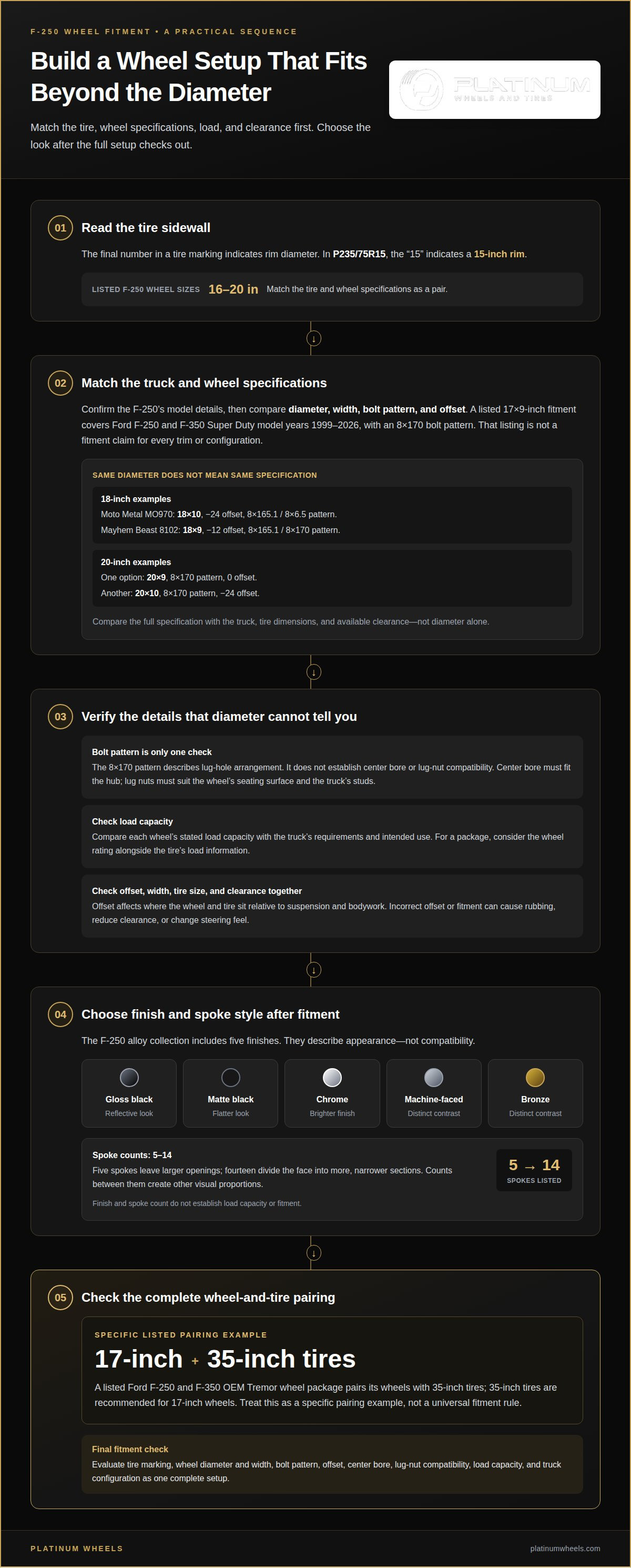
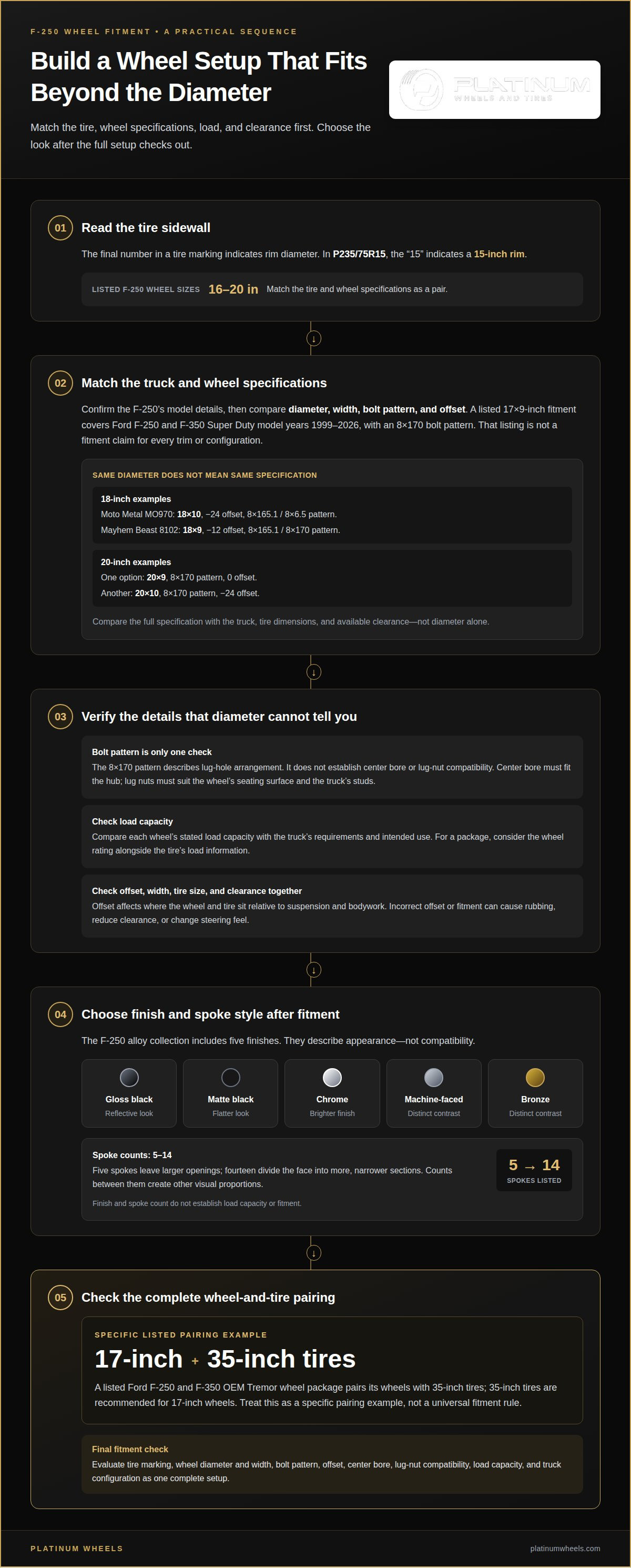
A tire’s sidewall can reveal a key wheel detail before you compare styles: the final number in a tire marking indicates rim diameter. For example, P235/75R15 indicates a 15-inch rim, while listed F-250 wheel sizes range from 16 to 20 inches. That difference makes matching the tire and wheel specifications an essential first step.
It’s easy to focus on appearance, especially when you’re choosing a setup for Denver driving and weekend routes. But wheel diameter is only part of the picture. You’ll also want to understand how finishes, spoke designs, tire markings, and fitment details affect your options.
This guide explains how to read the information on a tire sidewall, compare steel and alloy finishes, and weigh wheel sizes for your F-250. You’ll also see how spoke counts shape a wheel’s look and what to consider when comparing wheel-and-tire packages, so you can make a more informed choice for your truck and the roads you travel.
Key Takeaways
- Compare wheel fitment by bolt pattern, offset, diameter, and your truck’s model details, not appearance alone.
- Explore how steel options and alloy finishes can shape the look and feel of your setup.
- Use spoke design and wheel diameter to narrow your choices before comparing complete wheel-and-tire combinations.
- For a coordinated setup, Platinum Wheels offers wheel and tire packages, custom truck wheels, off-road rims, all-terrain and mud-terrain tires, and lift or leveling kits.
Steel wheel sizes and finishes
Start with diameter, bolt pattern, and the tire pairing, then compare finish. Ford F-250 wheels are listed from 16 to 20 inches, including 16-inch steel options. A 17x9-inch listing covers Ford F-250 and F-350 Super Duty model years 1999-2026. That range describes this listed fitment, not every wheel across every trim or configuration.
For that fitment, the listed bolt pattern is 8x170. The pattern describes the arrangement of the wheel’s lug holes; it does not establish center bore or lug-nut compatibility. Center bore must fit the hub, while lug nuts must suit both the wheel’s seating surface and the truck’s studs. The 8x170 pattern alone doesn’t define those details.
To check load rating, read the wheel’s stated load capacity and compare it with your truck’s requirements and intended use. Each wheel needs enough capacity for its share of the load. For a wheel-and-tire package, consider the wheel rating alongside the tire’s load information. Matching diameter alone does not establish suitable capacity.
Offset matters because it affects where the wheel and tire sit in relation to the suspension and bodywork. Incorrect offset or fitment can cause rubbing, reduce clearance, or change steering feel. Check the full combination, including wheel width, offset, tire size, and truck configuration, rather than choosing by diameter alone.
Finish helps narrow the visual choice. The F-250 wheel collection includes gloss black, matte black, chrome, machine-faced, and bronze options. Those finishes describe the collection, while the specific finish available depends on the selected wheel. A 16-inch steel wheel and a 17x9-inch wheel can therefore differ in both appearance and intended tire pairing.
Package sizing ties those details together. A listed Ford F-250 and F-350 OEM Tremor wheel package pairs its wheels with 35-inch tires, and 35-inch tires are recommended for 17-inch wheels. Treat that as a specific pairing example, not a universal fitment rule. Match the tire marking, wheel diameter, bolt pattern, offset, and load capacity as one complete setup.
18-Inch and 20-inch wheel options
Listed 18-inch and 20-inch options vary in width, bolt pattern, and offset. Compare the full specification with your F-250’s configuration and intended tire before choosing.
18-Inch Wheel Options
Two listed examples show why diameter alone doesn’t define fitment. The Moto Metal MO970 measures 18x10, has a -24 offset, and uses an 8x165.1/8x6.5 bolt pattern. The Mayhem Beast 8102 measures 18x9, has a -12 offset, and uses an 8x165.1/8x170 pattern. Their different widths and offsets affect wheel position, so compare those details alongside tire dimensions and vehicle clearance.
20-Inch Wheel Options
For a 20-inch setup, listed options include a 20x9 wheel with an 8x170 bolt pattern and 0 offset. Another example measures 20x10, uses the same 8x170 pattern, and has a -24 offset. That difference in width and offset changes the specification you’re comparing, even though both wheels share a 20-inch diameter. Match the complete wheel and tire combination to the truck.
Aftermarket Sizes Without Modifications
Which aftermarket wheel sizes fit an F-250 without modifications? Diameter alone can’t establish a no-modification fit. The answer depends on the truck’s model year and configuration, wheel width and offset, bolt pattern, tire dimensions, and available clearance. A listed 20x9 wheel with an 8x170 pattern is one specification to compare, not a universal fitment claim.
Use a practical sequence: identify the F-250 configuration, then compare the wheel’s diameter, width, bolt pattern, and offset. Next, consider the tire’s dimensions and check how the complete assembly sits relative to the truck. A 20-inch wheel with a different offset is not equivalent simply because its diameter matches. For an aftermarket setup, precise fitment means evaluating each specification together, not selecting by appearance or diameter alone.
The 20-inch Ford F-250 and F-350 Tremor wheel listing identifies wheel codes 10295, 25085, and 10552; compare the specific code and complete fitment details before buying.
Alloy wheel finishes and spoke counts
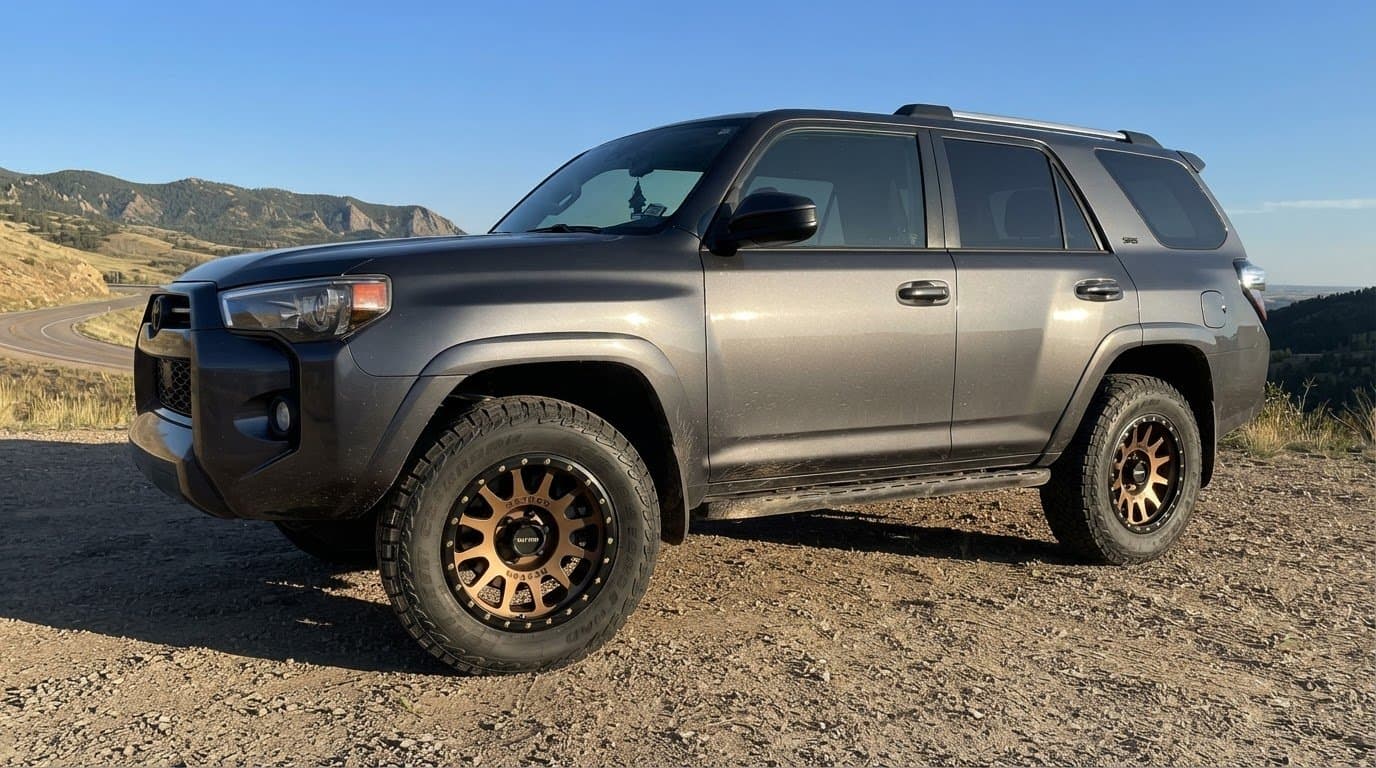
F-250 alloy wheels are listed in five finishes: gloss black, matte black, chrome, machine-faced, and bronze. Compare the finish with your truck’s paint and other visible details, such as grille trim or bumpers. Gloss black creates a reflective look, while matte black has a flatter appearance. Chrome stands out with a brighter finish; machine-faced and bronze offer different visual contrasts.
Finish describes appearance, not fitment. A bronze wheel and a gloss-black wheel still need to match the truck’s wheel specifications. Keep finish as a style decision after establishing the correct size, bolt pattern, offset, and load rating for your F-250. That way, a preferred color doesn’t distract from the measurements that determine whether the wheel suits the truck.
Alloy F-250 rims are listed with spoke counts from 5 to 14. A five-spoke design leaves larger openings between spokes, while a fourteen-spoke layout divides the face into more, narrower sections. Counts between those examples provide other visual proportions. The number helps describe the wheel’s design, but it doesn’t establish the wheel’s load capacity or fitment.
Use a straightforward comparison process. First, narrow your options to a compatible wheel size and specification. Next, compare the five listed finishes with your truck’s color and trim. Then consider the spoke count and whether you prefer an open or detailed wheel face. For example, compare a matte-black five-spoke design with a machine-faced design with more spokes, while evaluating each wheel’s specifications separately.
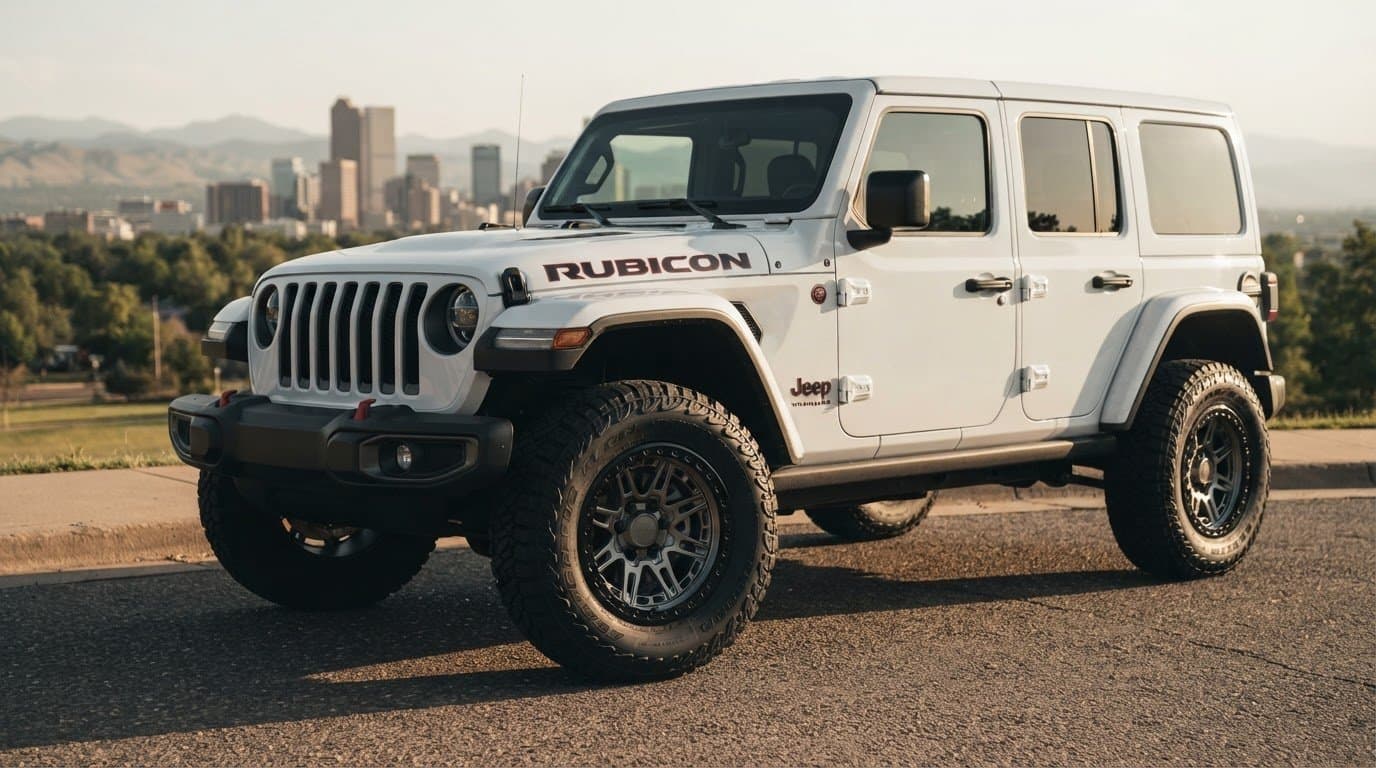
For Denver driving, the practical choice depends on how you use the truck and the look you prefer, not on spoke count alone. An alloy wheel’s finish and design can personalize the setup, but they don’t replace tire selection or accurate fitment. Compare the complete wheel-and-tire combination, then choose among gloss black, matte black, chrome, machine-faced, or bronze styles. The 5-to-14-spoke range gives you another clear design detail to weigh.
Identifying wheel size from tire markings
A tire sidewall can reveal the wheel diameter needed for a matching rim. Find the marking and focus on its final number: in P235/75R15, “R15” indicates a 15-inch rim. That tells you the diameter, not the wheel’s width, bolt pattern, offset, or load rating. Those details still matter when selecting a complete setup for an F-250.
Read the marking as a group rather than treating every number as wheel size. In the example, the digits after “R” give the rim diameter in inches. The earlier characters and numbers describe other tire information, so they shouldn’t be mistaken for the wheel diameter. An F-250 listing can include 16- to 20-inch wheels, making the sidewall’s final number a useful first comparison.
Use this sequence to connect the sidewall information to your wheel choice:
- Locate the full tire marking on the sidewall, such as P235/75R15.
- Read the number after “R” to identify the rim diameter: 15 means a 15-inch rim.
- Compare that diameter with the wheel specification, then consider width, bolt pattern, offset, and load rating.
- Evaluate the tire and wheel as a complete combination, not as separate appearance choices.
The final number narrows the search, but it doesn’t prove fitment by itself. For example, a tire marked R15 calls for a 15-inch rim diameter; it doesn’t establish whether that rim suits a particular F-250 configuration. A listed F-250 wheel range of 16 to 20 inches also doesn’t make every diameter suitable for every truck. Match the sidewall information to the vehicle’s wheel requirements and the complete package specifications.
Use the marking as your starting point, then compare complete wheel and tire package options for a coordinated setup. The clear takeaway: the number after “R” identifies rim diameter, while the remaining fitment details determine which wheel works with the tire and truck.
Platinum Wheels: Wheel & Tire Packages
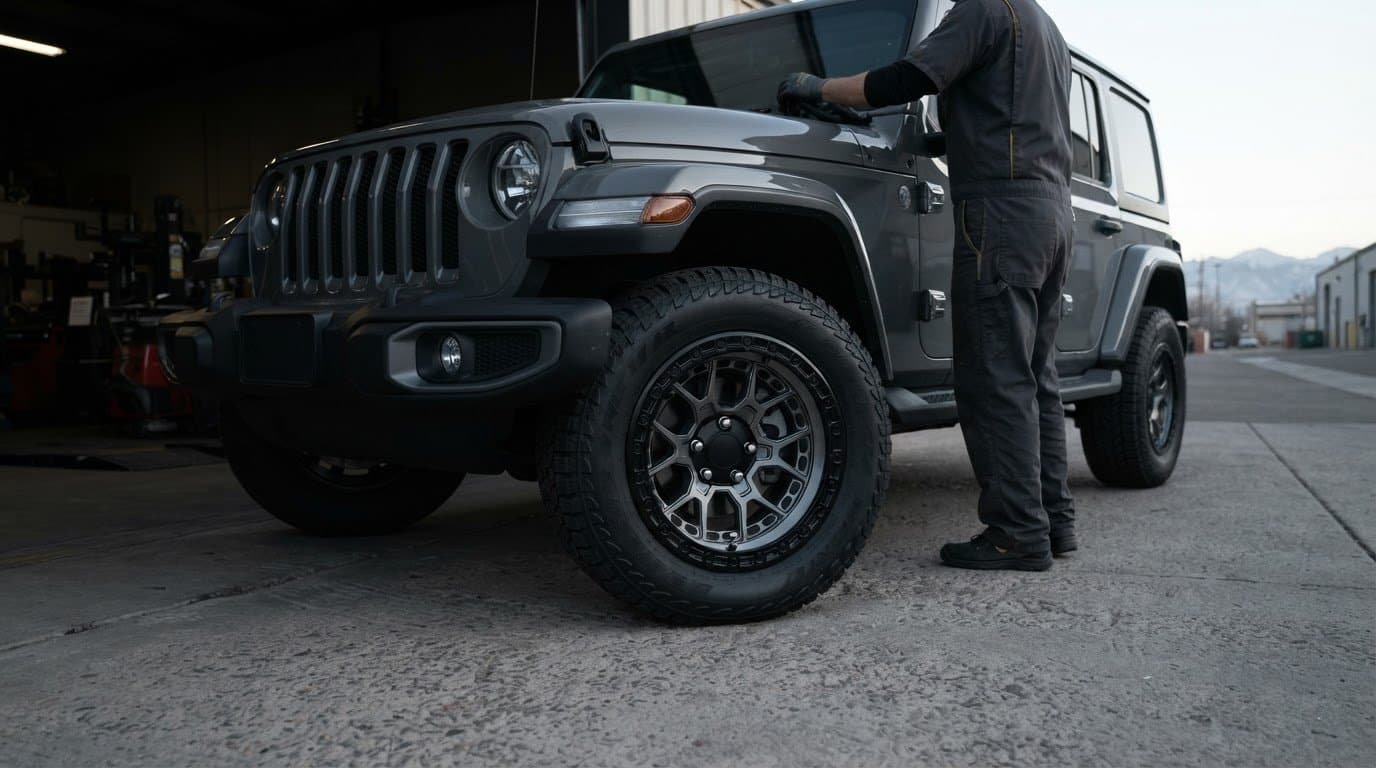
Platinum Wheels brings wheel and tire choices together for F-250 drivers comparing fitment, appearance, and terrain needs. Its wheel and tire packages pair custom truck wheels and off-road rims with tire options, including all-terrain and mud-terrain tires. This is a practical next step when you’ve narrowed down wheel diameter from the tire marking but want to consider the full setup.
Tell Platinum Wheels how you use your truck and which wheel details you’re considering. The team can help you compare wheel and tire package options, with a free Wheel & Tire Fitment Consultation. Lift kits and leveling kits can also suit drivers considering a changed stance. The right combination depends on matching the wheel and tire specifications to your truck and priorities, not choosing by finish alone.
For help considering wheel and tire package options for your F-250, contact Platinum Wheels.
Choose a Setup That Fits Your Next Drive
Your next step is to turn your priorities into a complete setup: consider where you drive, the look you want, and how the wheel and tire choices work together. Whether you’re comparing custom truck wheels and off-road rims, all-terrain or mud-terrain tires, or a wheel and tire package, focus on the combination that suits your F-250 and your plans for it.
Choosing F-250 wheels is easier when the key specifications and appearance decisions are considered together. Platinum Wheels can help you explore those options and find a direction that makes sense for your truck. Contact Platinum Wheels about F-250 wheels to discuss your setup and take the next step with confidence.
Frequently Asked Questions
What tire sizes fit stock and aftermarket F-250 wheels?
Tire fit depends on your F-250’s model year and configuration, plus the wheel’s diameter and width. For a stock setup, use the tire size specified for that truck. With aftermarket wheels, assess the tire’s overall dimensions alongside wheel width, offset, load rating, and clearance around suspension and bodywork. A tire that mounts to a wheel may still be unsuitable for the truck’s complete fitment.
What are the center bore and lug nut specifications for F-250 wheels?
The center bore must fit the truck’s hub, and the lug nuts must suit both the wheel’s seating surface and the truck’s studs. The 8x170 bolt pattern alone does not establish either specification.