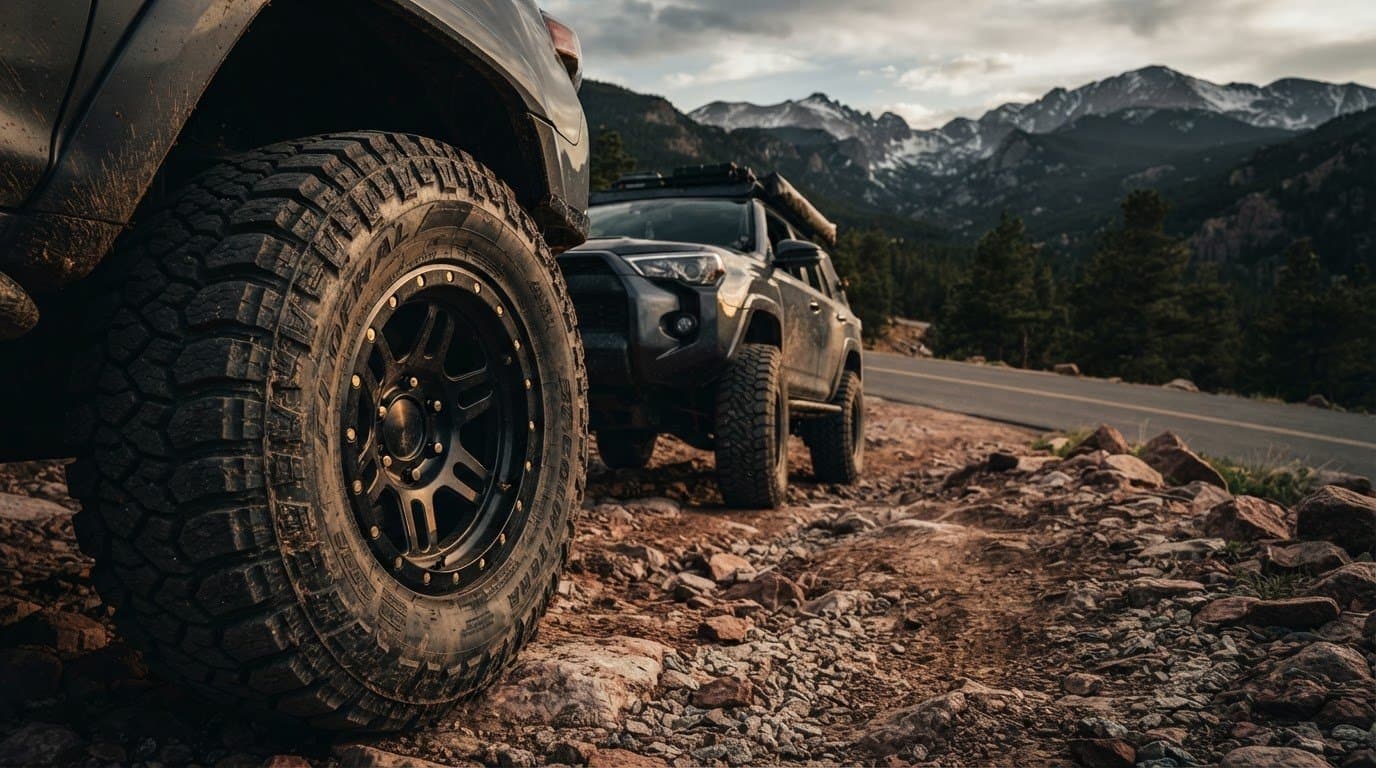
Nitto Ridge Grappler Review: Best Tires for Denver Trails
What if a tire that looks ready for Denver’s rougher trails isn’t the best match for your daily drive? The nitto ridge grappler sits between all-terrain and mud-terrain designs, aiming to balance everyday road manners with an aggressive tread for off-pavement use. That middle ground can be appealing, but it won’t suit every truck, SUV, or driving routine.
If you split time between paved roads and trail trips, a hybrid-terrain tire may be worth considering, especially with Colorado’s changing weather and varied terrain. This review explains what the Ridge Grappler is designed to do, how it compares with all-terrain and mud-terrain tires, and what to check before choosing a size. You’ll also find fitment considerations for your vehicle’s specifications, load needs, and intended use, so you can judge the tire by your driving rather than its aggressive looks alone.
Key Takeaways
- Weigh the Ridge Grappler’s named tread features by their intended purpose, not as proof of a specific real-world result.
- Use your driving priorities to decide whether an all-terrain, hybrid-terrain, or mud-terrain category is the better starting point.
- Before settling on a size, match your vehicle’s specifications with approved rim width, clearance, and load needs.
- Check the exact tire size’s specifications, since ratings and details can vary across sizes.
- Platinum Wheels’ free Wheel & Tire Fitment Consultation and fitment, quote, and TPMS services can help you plan your next steps.
Nitto Ridge Grappler: Hybrid-Terrain Design Explained
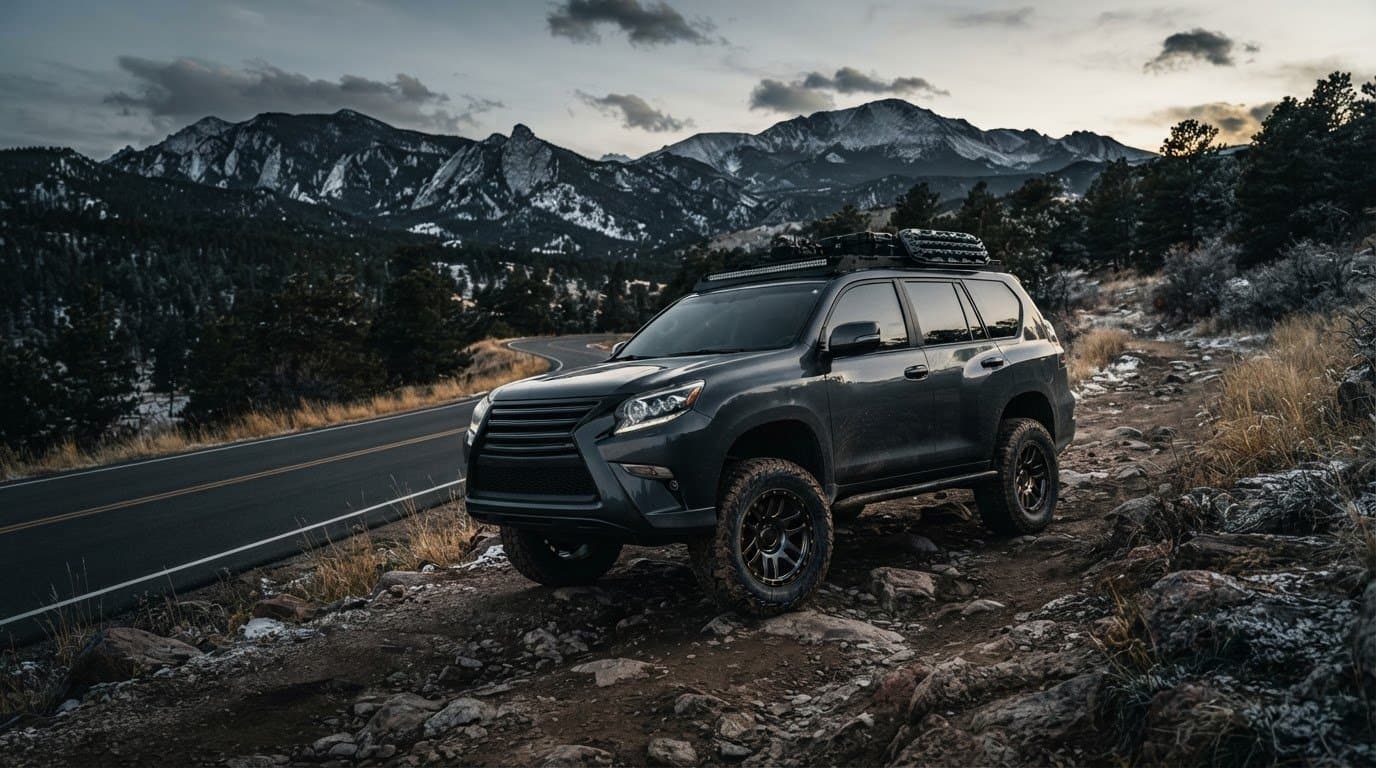
Choosing a tire for paved roads and off-pavement driving starts with a practical question: how much of each will your truck or SUV actually see? A middle-ground design may suit a Denver commuter who also heads out on trails, but the category label alone can’t tell you whether the tire matches your vehicle or routes.
Nitto positions the nitto ridge grappler as a hybrid-terrain light-truck tire intended to combine on-road comfort with off-road capability. In plain English, “hybrid-terrain” places it between the general priorities of all-terrain and mud-terrain tires. It describes the tire’s design category, not a promise that it will perform the same way on every road, trail, or vehicle.
Fit depends on more than tread category. Start with your vehicle’s approved tire specifications, then consider the size you’re considering, the load your tires need to support, and the surfaces you encounter. A size that looks suitable on paper still has to work with the wheel and available clearance. The Ridge Grappler’s intended balance doesn’t override those requirements.
Think about your typical week, not just the trail day you’re looking forward to. A truck that spends most of its time on pavement with occasional dirt-road or trail use has a different brief from one regularly driven over rough, demanding terrain. That distinction makes “hybrid” a useful starting point, not a shortcut to a decision.
How does a hybrid-terrain tire differ from all-terrain and mud-terrain?
All-terrain tires are generally positioned for a mix of everyday driving and off-road use. For background on the category’s common design and applications, see All-terrain tire design. Mud-terrain tires are generally aimed at drivers who prioritize off-road use and more challenging surfaces. Hybrid-terrain sits between those broad intentions, balancing priorities without guaranteeing a particular result.
These labels don’t rank tires for every situation. A hybrid-terrain tread may be worth considering for mixed use, but your route, vehicle, tire size, and expectations matter. The category name alone doesn’t establish noise, traction, mileage, or weather performance.
Which drivers might consider the Ridge Grappler?
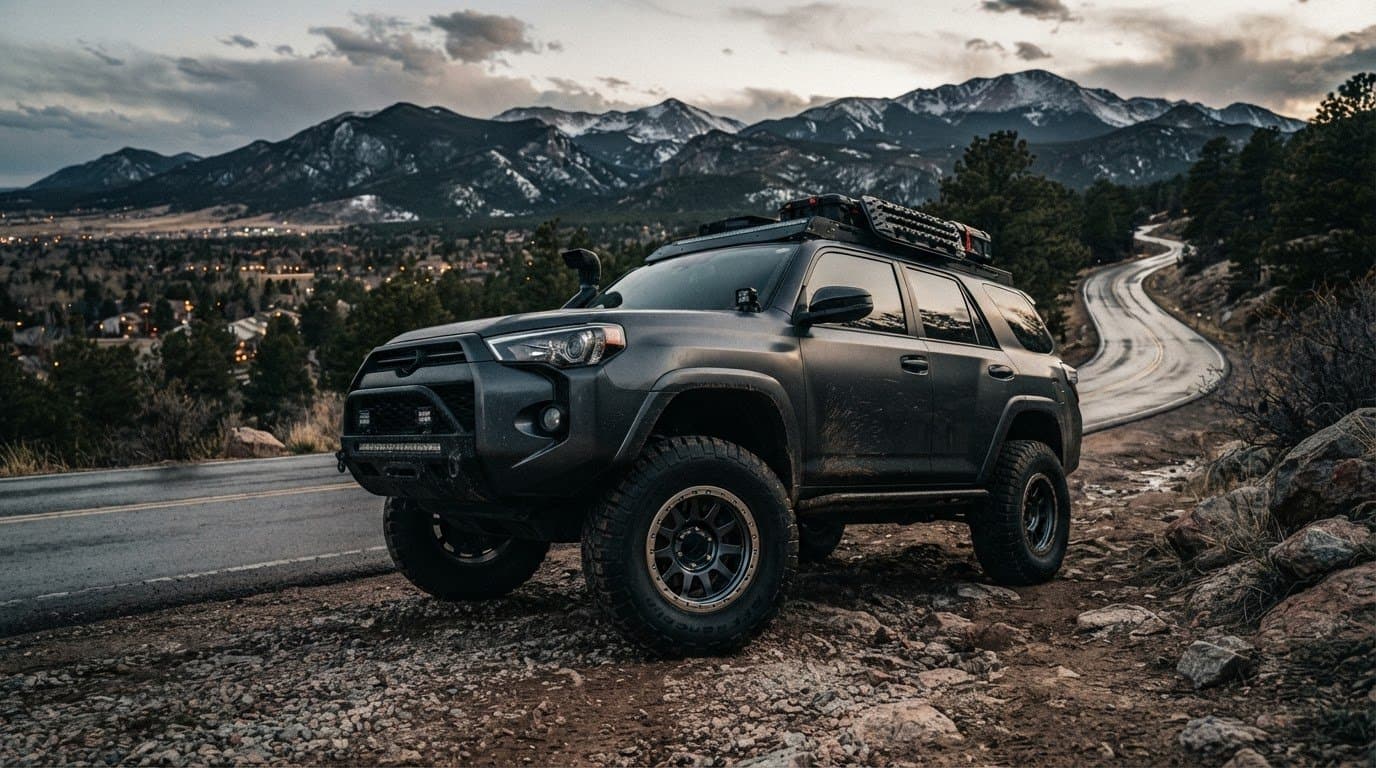
Consider it if your truck or SUV handles paved commutes and you also want a tire designed with off-pavement use in mind. Occasional trail trips and frequent, demanding trail driving are different use cases. Before deciding, think about how often you leave pavement and how challenging those routes are.
For a mostly paved routine with occasional trail access, the Ridge Grappler’s positioning may be relevant. For regular challenging trails, compare your needs with tires aimed more specifically at off-road use. In either case, match the exact tire size and load specification to your vehicle, then consider whether the tread’s intended balance aligns with the conditions you encounter in Colorado.
What Ridge Grappler Tread Features Matter in Everyday and Trail Driving?
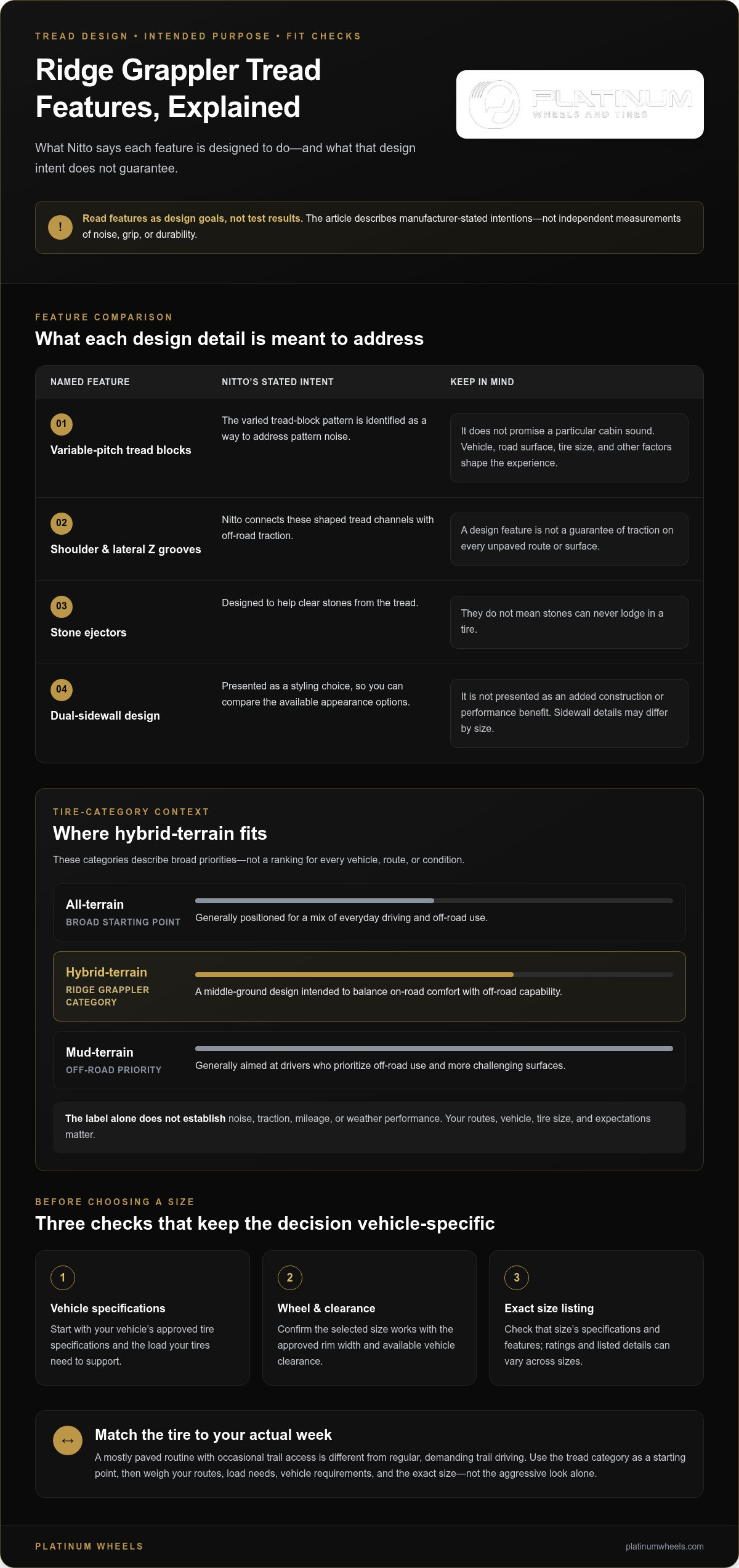
Tread features explain what a tire is designed to do, but they can’t guarantee how it will feel on your vehicle or perform on every surface. Nitto’s product information describes the Ridge Grappler’s design elements and their intended purposes. Treat those as design goals, then weigh them against your routes, driving habits, and the specifications for the exact size you’re considering.
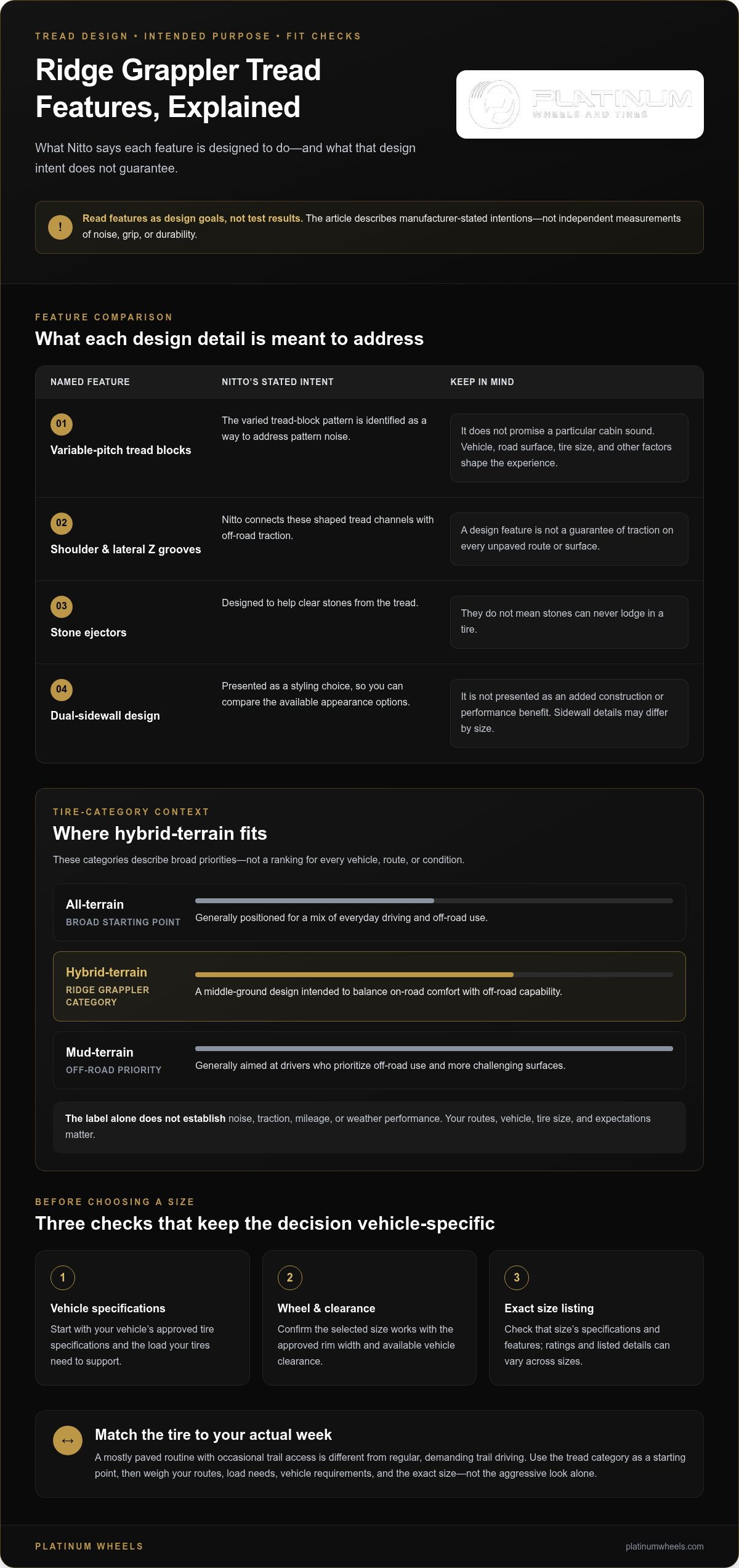
Nitto names variable-pitch tread blocks, shoulder and lateral Z grooves, stone ejectors, and a dual-sidewall design. The company associates these elements with noise management, off-road traction, stone ejection, and a choice of appearance. These are manufacturer-described features and intentions, not independent measurements of noise, grip, or durability. Broader tire technology research examines how materials, physics, and testing inform tire development, but it doesn’t establish the Ridge Grappler’s performance on a particular vehicle or route.
What do the tread blocks, grooves, and stone ejectors do?
Variable-pitch tread blocks are arranged with variations in their pattern. Nitto identifies this design as a way to address pattern noise. That describes the feature’s intent, not a promise of a particular cabin sound. The vehicle, road surface, tire size, and other factors shape the experience.
Shoulder and lateral Z grooves are shaped channels in the tread. Nitto connects these grooves with off-road traction, making them a design detail to consider if you drive unpaved routes. Stone ejectors are intended to help clear stones from the tread, but they don’t mean stones can never lodge in a tire. These features explain the tread’s design approach, but they aren’t a substitute for matching a tire to your actual use.
What is the purpose of the dual sidewall design?
Nitto presents the dual-sidewall option as a styling choice, not a claim of added construction or performance benefits. Don’t assume every size has the same sidewall details: review the manufacturer’s listing for the exact size you’re considering and compare the available options before deciding which look you prefer.
That size-specific check matters for more than appearance. Tire specifications and listed features can differ by size, so don’t carry details from one listing over to another. Compare the selected size’s manufacturer information with your vehicle requirements, and treat the named tread elements as context for your choice, not a guarantee of results in Denver’s changing road and trail conditions.
If you’re weighing a size for your vehicle, Platinum Wheels offers a free Wheel & Tire Fitment Consultation to help connect your intended use with fitment considerations.
Ridge Grappler vs. All-Terrain and Mud-Terrain Tires: How to Choose
Choose based on how you use your truck or SUV, not the most aggressive-looking tread. A daily driver that sees pavement nearly every day has different priorities from a vehicle that regularly tackles rough trails. The nitto ridge grappler’s hybrid positioning is one option, but the right category depends on how often you leave pavement and what the terrain demands.
Use this comparison to narrow your priorities, not to predict a specific tire’s performance. Categories describe general intent, and individual models, sizes, and vehicle setups can differ.
| Category | General intended use | Questions to consider |
|---|---|---|
| All-terrain | A mix of everyday paved driving and outdoor or off-road use. | Do you want one category for varied routine driving, with trails as part of the picture? |
| Hybrid-terrain | A middle position intended to balance on-road and off-pavement priorities. | Does your actual driving include both regular road use and meaningful trail time? |
| Mud-terrain | Off-road-focused use, including drivers who regularly encounter challenging terrain. | Are demanding off-road routes frequent enough to make that focus relevant to your needs? |
Consider frequency and difficulty together. An occasional drive on a maintained dirt road differs from repeated trips over rough, uneven trails. If most miles are on pavement and trail use is occasional, an all-terrain category may be a natural place to begin comparing options. If paved driving and trail use are both central to your routine, a hybrid-terrain tire may merit consideration. Frequent, demanding off-road use may shift your attention toward mud-terrain options. In every case, evaluate vehicle fitment and the specific routes you drive.
When might an all-terrain tire better match your priorities?
Consider all-terrain tires if your driving spans daily roads, access roads, and outdoor trips, and you want a category generally intended for that mix. The label alone doesn’t tell you how a specific tire will suit Colorado conditions, so include your exact vehicle and use case in the comparison. For a deeper regional overview, see the Colorado all-terrain tire guide, which covers that category in more detail.
When might a mud-terrain tire deserve consideration?
If challenging off-road terrain is a regular part of your driving, mud-terrain tires may be worth comparing because the category is oriented more toward off-road use. A tread label can’t determine whether a tire suits every trail or vehicle. Consider the terrain you actually encounter, how often you drive it, and whether the size and specifications work for your setup.
Before deciding, write down your typical pavement use, trail frequency, and the toughest conditions you expect to face. Then compare options within the category that best reflects those priorities. This keeps your choice grounded in real use rather than appearance or category names alone.
Check These Ridge Grappler Fitment Details Before Choosing a Size
A tire size that works on one truck may not be appropriate for another, even if the vehicles are similar models. Before selecting a nitto ridge grappler size, gather the details that define your current setup and intended use. That makes it easier to compare Nitto’s specifications with your needs instead of guessing from appearance or copying a size you’ve seen on another vehicle.
- Identify your vehicle. Note its year, make, model, trim, and drivetrain. Factory specifications can differ between versions.
- Record your current tire size. Find the size printed on the tire sidewall, then compare it with your vehicle’s recommended specifications.
- Describe how you drive. Consider how often you use paved roads, unpaved roads, and more demanding trails.
- Account for load needs. Consider what the vehicle carries or tows, then compare the tire’s load information with your requirements.
Fitment checklist: Match the vehicle’s approved tire size, the tire’s overall diameter and section width, its approved rim-width range, load index, speed rating, and available clearance before purchase.
Which specifications should you compare in Nitto’s size chart?
Use the current Nitto listing for the exact size you’re considering, since specifications can vary by size. Overall diameter describes the tire’s approximate height; section width describes its approximate width across the sidewalls. Load index is a coded indication of load capacity, while speed rating identifies a speed category under specified conditions. Compare these with your vehicle’s requirements rather than assuming one size’s details apply to another.
Rim width matters, too. Nitto’s listing provides an approved rim-width range for the applicable tire size. The tire, wheel, and vehicle clearance need to work together: a listed size alone doesn’t establish that it will fit your specific setup. When comparing a new wheel and tire combination, consider wheel dimensions alongside the tire specifications.
How can truck modifications affect tire fitment?
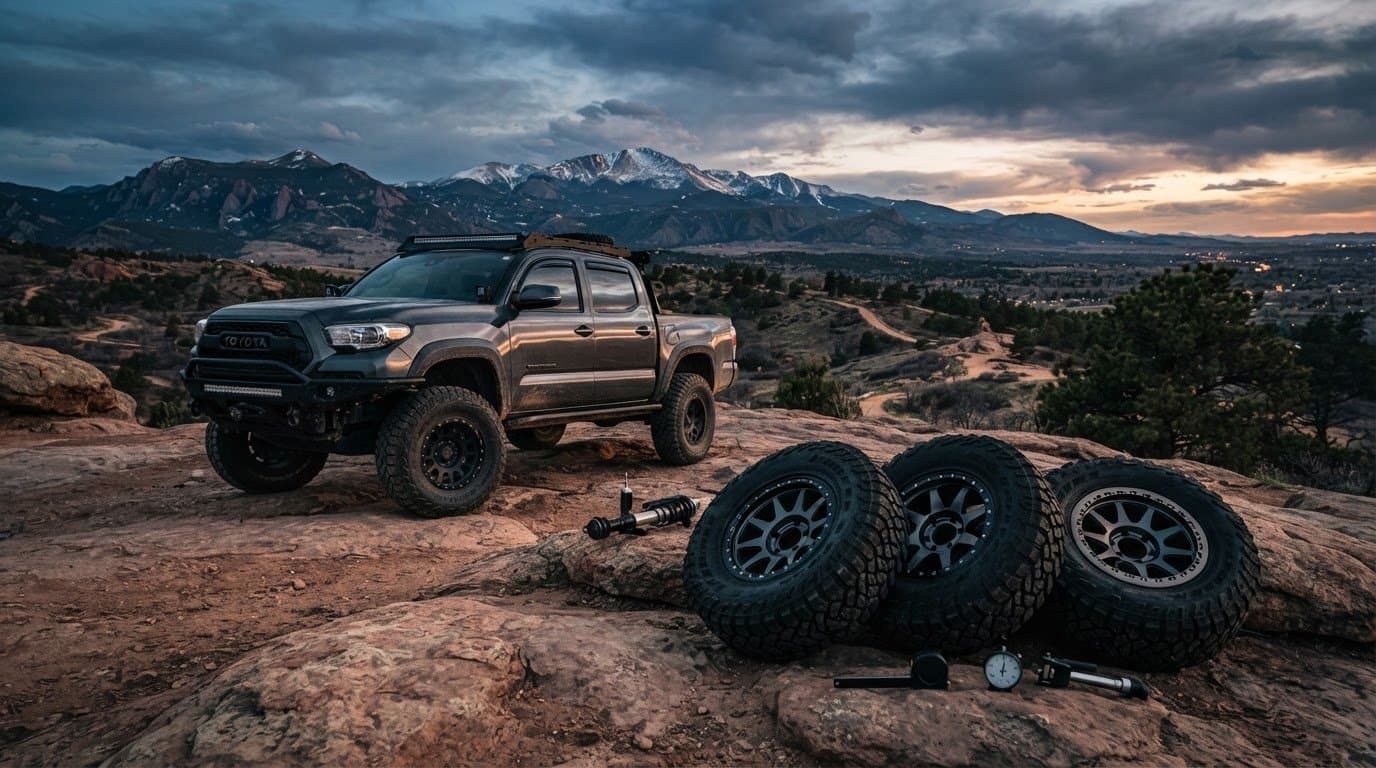
Suspension height, wheel dimensions, and available clearance can all affect how a tire fits. A leveling kit or lift kit changes aspects of the setup, but neither automatically makes every tire size suitable. For broader suspension context, consult a leveling-kit-versus-lift-kit comparison, then assess how the chosen setup affects clearance on your vehicle.
Consider clearance through the range of steering movement and suspension travel, not only how the tire looks while parked. A wheel test fitment can help evaluate a wheel and tire combination against the vehicle before installation. Platinum Wheels’ free Wheel & Tire Fitment Consultation can help you organize the vehicle, tire, wheel, and use details for a more informed fitment decision. Plan a wheel and tire fitment consultation.
Get Ridge Grappler Fitment Guidance and Tire Service in Denver
Choosing a tire is only part of the job. The size, wheel, vehicle clearance, TPMS needs, and intended driving all have to come together in a workable setup. Platinum Wheels is a Denver-owned, independent wheel and tire shop that helps drivers sort through those details with vehicle-specific guidance. The team can help evaluate fitment for the nitto ridge grappler or another tire option without assuming one size suits every truck or SUV.
Start with the Free Wheel & Tire Fitment Consultation. Bring your vehicle information, current tire size, and plans for how you drive. That gives the fitment discussion useful context, whether you’re replacing tires on factory wheels or planning a wheel-and-tire combination. Platinum Wheels offers transparent pricing with no hidden fees or surprise charges.
For drivers around Denver, this fitment guidance is relevant whether you’re based in Aurora, Lakewood, Englewood, Wheat Ridge, Commerce City, Westminster, Thorton, Broomfield, Arvada, Golden, Littleton, Parker, Highlands Ranch, Castle Rock, Boulder, Fort Collins, or Colorado Springs.
What free fitment and tire services can Denver drivers use?
Use these free services to clarify fitment and related details before moving forward. They help turn tire research into a practical plan for your vehicle:
- Fitment: Free Wheel & Tire Fitment Consultation and Wheel Test Fitment.
- Air and alignment checks: Free Air, Quick Alignment Check, and Quick-Check Alignment.
- Quotes and TPMS: Free Rim/Tire/Package/Shipping Quote and TPMS Programming.
These services address different parts of the decision. A quote helps you understand the wheel, tire, package, or shipping option you’re considering, while fitment support focuses on how the setup relates to your vehicle. TPMS Programming is useful to include in your plan if your tire change involves tire-pressure monitoring sensors.
What happens when you arrange tire installation?
Installation is available with or without a TPMS swap or new TPMS. Wheel-and-tire packages include mounting, balancing, and alignment. Most four-wheel tire installations take 45 minutes to 1 hour; allow 1.5 to 2 hours when alignment or TPMS service is included. Same-day service is available for most installations.
Platinum Wheels is locally owned and operated, and its Google rating is 4.9 stars from 158 five-star reviews. If you’re considering the Ridge Grappler, bring your vehicle details and intended use into the fitment conversation, then review the service options that fit your plan. Arrange a free wheel and tire fitment consultation for straightforward, no-pressure guidance.
Make Your Next Tire Choice With Confidence
Before choosing a tire, turn your plans into a clear fitment brief: how you use your vehicle, the roads and trails you expect to drive, and any changes you’re considering for its wheels or suspension. That gives you a practical basis for deciding whether the nitto ridge grappler’s design belongs on your shortlist, rather than choosing by tread appearance alone.
Next, compare that brief with your vehicle’s specifications. A fitment conversation can help connect your intended use with a size and setup that make sense for your truck or SUV. Platinum Wheels offers a free Wheel & Tire Fitment Consultation and Wheel Test Fitment, with a straightforward, no-pressure approach.
Schedule a free Wheel & Tire Fitment Consultation and take the guesswork out of planning your next setup. With the right details in hand, you can move forward with a tire choice grounded in how you actually drive.
Frequently Asked Questions
Is the Nitto Ridge Grappler good for everyday driving?
It may suit everyday driving if its intended mix of road and off-pavement use matches your routine. Nitto positions the Nitto Ridge Grappler as a hybrid-terrain option, but that label can’t predict how it will feel on your particular vehicle. Think about your usual pavement miles and how often you take trail routes, then check the current manufacturer specifications for the exact size you’re considering.
Can I use Ridge Grappler tires in Colorado winter conditions?
Whether it’s appropriate for winter driving depends on the exact tire’s markings and size, your vehicle, and the conditions you’ll encounter. Don’t assume a hybrid-terrain tread alone makes a tire suitable for winter. Review Nitto’s current specifications for the precise size and verify any stated winter or severe-snow-service designation there. Also consider the routes you drive and whether conditions can change during a trip.
How noisy are Nitto Ridge Grappler tires on the highway?
There isn’t one highway-noise experience that applies to every Ridge Grappler setup. Perceived tire noise can vary with the vehicle, tire size, road surface, pressure, and tread wear. For a more informed expectation, read Nitto’s current information for the exact size and look for verified owner feedback that identifies the same size. Treat individual reports as context, not a guarantee of what you’ll hear.
Does the Ridge Grappler fit a stock truck without a lift?
It depends on the truck’s year, make, model, original configuration, tire size, and wheel specifications. A tire that fits one stock truck may not clear another, even within the same model line. Compare your vehicle’s requirements with Nitto’s specifications for the exact size, then use a vehicle-specific fitment consultation to assess the complete wheel-and-tire setup before purchase.
What tire pressure should I run in Nitto Ridge Grappler tires?
Start with the tire-pressure guidance on your vehicle’s placard and in its owner’s manual, not a generic online number. Don’t treat the maximum pressure molded into a tire’s sidewall as the routine setting. The appropriate pressure depends on vehicle guidance, load, and use, so account for what you’re carrying and follow vehicle-specific recommendations rather than guessing or copying another truck’s setting.
Is the Ridge Grappler available in different sizes and load ratings?
Nitto provides size and specification tables, but listed options and details can vary across the current product range. Check the manufacturer’s listing for the exact size you’re considering and compare its load and speed specifications with your vehicle’s requirements and intended use. Don’t assume a rating shown for one size applies to another. Use Nitto’s current listing as the reference for specifications and availability.