Expert Tire Shop in Denver: Custom Wheels & New Tires
What should you look for when searching “tire shop near me”? Beyond finding tires nearby, look for a shop that can help match tire choice, wheel fitment, sensors, and installation to your vehicle. In Denver, changing weather and varied roads make that whole setup worth considering.
Choosing new tires can feel like a guessing game when you’re weighing everyday comfort against winter traction or off-road capability. The right tire also needs to suit your vehicle and wheel, with mounting, balancing, and TPMS sensors considered as part of the setup. A coordinated wheel-and-tire package can bring those decisions together.
This guide explains how to choose tires for your vehicle, local driving conditions, and habits, and what to consider when planning installation. You’ll also see how a wheel-and-tire package can bring fitment, sensors, mounting, and balancing together. Platinum Wheels is a locally owned independent shop serving Denver and communities across the Colorado Front Range, with tire options for everyday driving and wheel, tire, and suspension upgrades for trucks and SUVs.
Key Takeaways
- Match all-season, all-terrain, or mud-terrain tires to your regular roads and driving priorities.
- Compare tire size and wheel compatibility with your vehicle’s requirements before choosing a setup.
- Consider TPMS sensors, mounting, and balancing as part of a complete wheel-and-tire package.
- Use a tire shop near me search to find a local solution that fits your vehicle and driving needs.
- Explore tire, wheel, and truck or SUV upgrade options from Platinum Wheels in Denver and nearby communities, including Aurora, Lakewood, Arvada, and Golden.
Looking for a Tire Shop Near Me in Denver? Start With Your Driving Needs
The right tire shop near me should help you choose a setup for your vehicle and how you use it, not just a tire that looks appealing. A daily driver replacing worn tires has different priorities from a truck being set up for off-road use. Start with your usual driving, then consider tire type, wheel compatibility, and any planned upgrades together.
Platinum Wheels serves Denver and Colorado Front Range drivers with tires, custom wheels, wheel-and-tire packages, and suspension upgrades for trucks and SUVs. An everyday replacement may call for new all-season tires suited to your vehicle and routine. A truck or SUV upgrade may involve all-terrain or mud-terrain tires, custom wheels or off-road rims, and a lift or leveling kit. The aim is to choose components that suit both the vehicle and the way you drive.
Tire fitment means matching tire and wheel specifications to a vehicle so the components are compatible with its requirements. Tire sidewall codes provide key sizing information; this guide to tire codes and fitment explains how to read them. Fitment is more than choosing a tire that looks right. It helps you identify which sizes and wheel combinations are appropriate to consider before installation.
- Note your vehicle’s year, make, and model, along with the tire size currently installed.
- Think about your usual routes, typical driving conditions, and how often you travel beyond paved roads.
- If you’re changing wheels or planning a truck or SUV upgrade, include those plans when comparing tire options.
What should a nearby tire shop help you figure out?
Your vehicle and current tire size provide a starting point. Your driving habits help clarify what matters most, whether that’s everyday road use, changing conditions, or off-road capability. Discussing the complete setup also brings wheel compatibility and TPMS sensors into consideration when relevant. That context is useful whether you’re replacing tires on a daily driver or planning a coordinated tire-and-wheel change for a truck or SUV.
How Denver and Front Range driving affect tire priorities
A week of city streets and highway commutes can call for different priorities than frequent mountain trips or regular driving on unpaved roads. Colorado’s changing weather is another factor, but it doesn’t make one tire category the right choice for every driver. Consider where you drive most, the conditions you encounter, and how much off-road use you expect. Those details help narrow the options to tires that suit your routine instead of relying on a one-size-fits-all choice.
Before focusing on appearance or a single tire feature, make a list of your vehicle, current setup, and intended use. That gives Platinum Wheels a practical starting point for discussing everyday tire options or a larger truck and SUV upgrade.
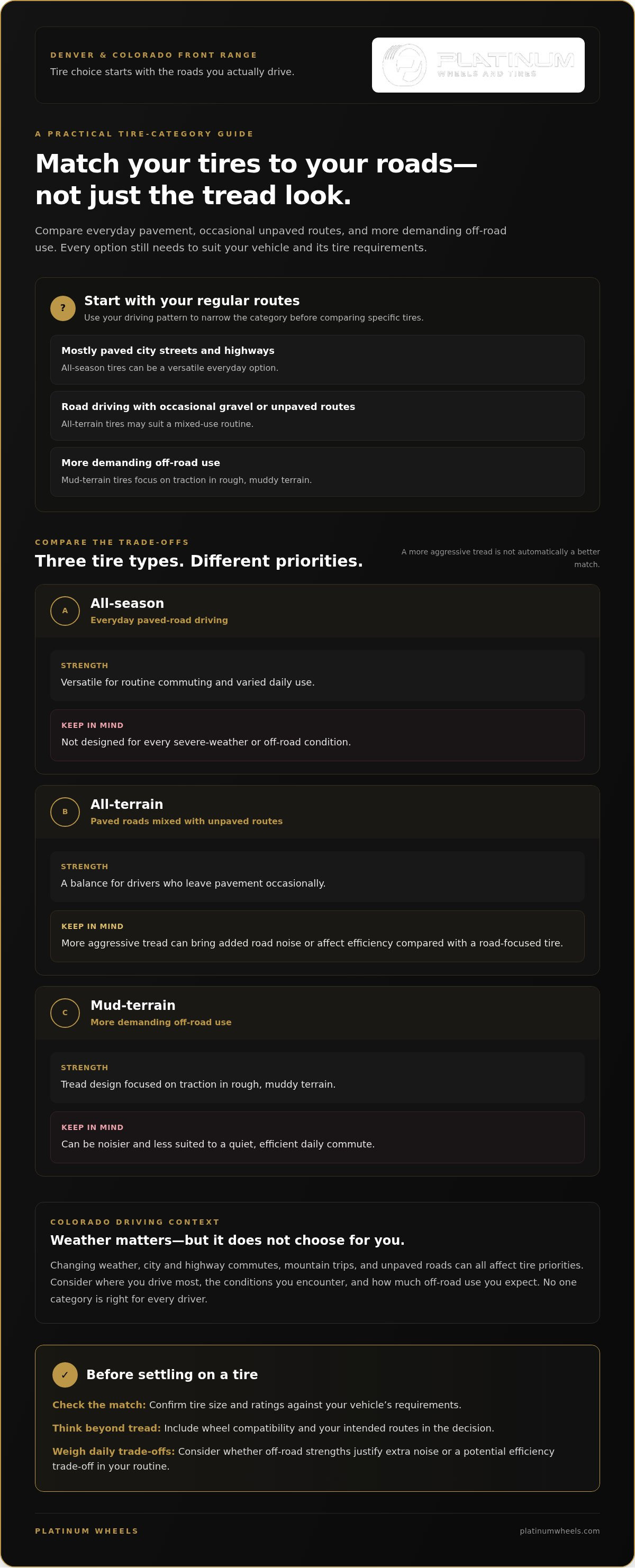
Choose Tires for Colorado Roads: All-Season, All-Terrain, or Mud-Terrain
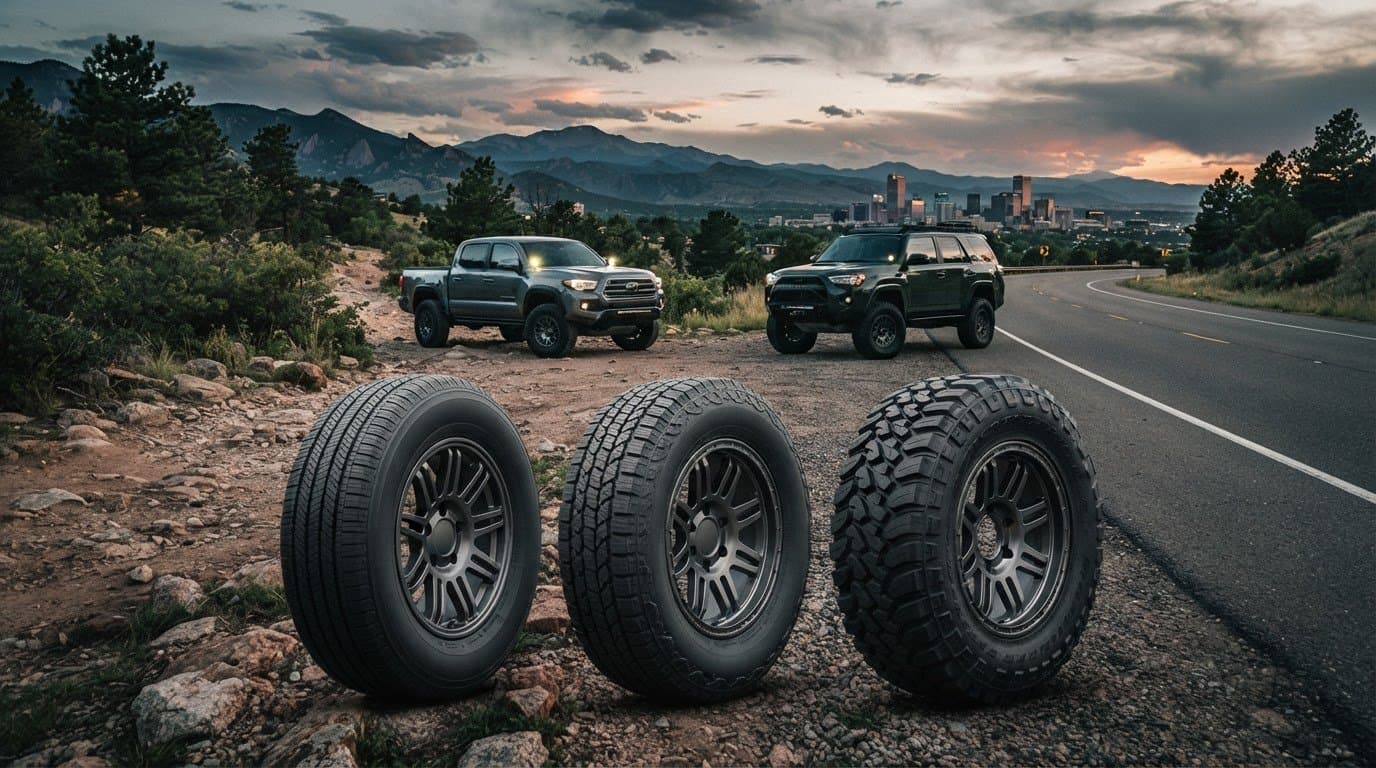
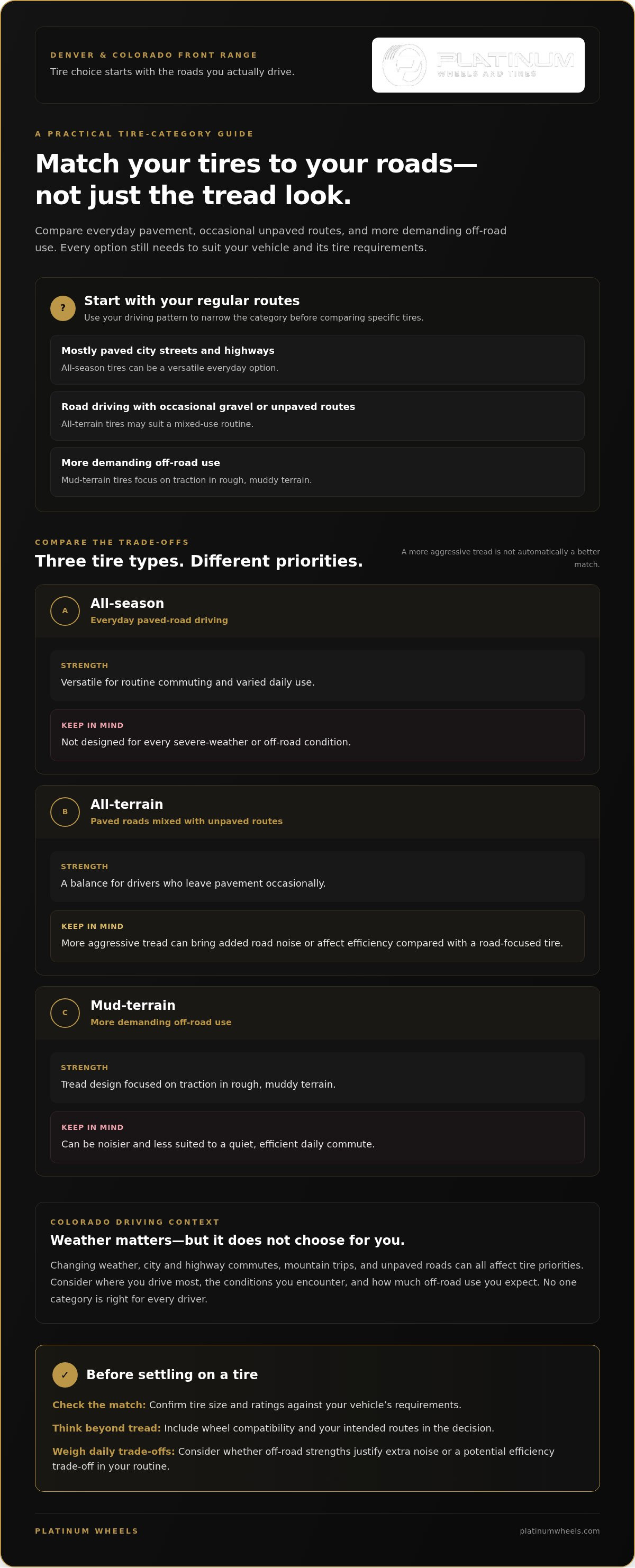
Choose a tire category based on the roads you actually travel, not just the look of the tread. Denver-area drivers may spend most of their time on pavement, mix in unpaved roads, or regularly head off-road. Each category has trade-offs, and the right choice also depends on your vehicle and its tire requirements.
| Tire category | Intended use | Typical strengths | Trade-offs |
|---|---|---|---|
| All-season | Everyday paved-road driving | Versatile for routine commuting and varied daily use | Not designed for every severe weather or off-road condition |
| All-terrain | Road driving mixed with unpaved routes | A balance for drivers who leave pavement occasionally | More aggressive tread can bring added road noise or affect efficiency compared with a road-focused tire |
| Mud-terrain | More demanding off-road use | A tread design focused on traction in rough, muddy terrain | Can be noisier and less suited to a quiet, efficient daily commute |
When do all-season tires make sense?
If most of your driving is on paved city streets and highways, all-season tires can be a versatile option for everyday use. Consider your vehicle, regular routes, and seasonal conditions rather than assuming the category covers every situation. Check the tire’s size and ratings against your vehicle’s requirements; the NHTSA tire safety guidelines offer useful information on tire safety and ratings.
When should truck and SUV owners consider all-terrain or mud-terrain tires?
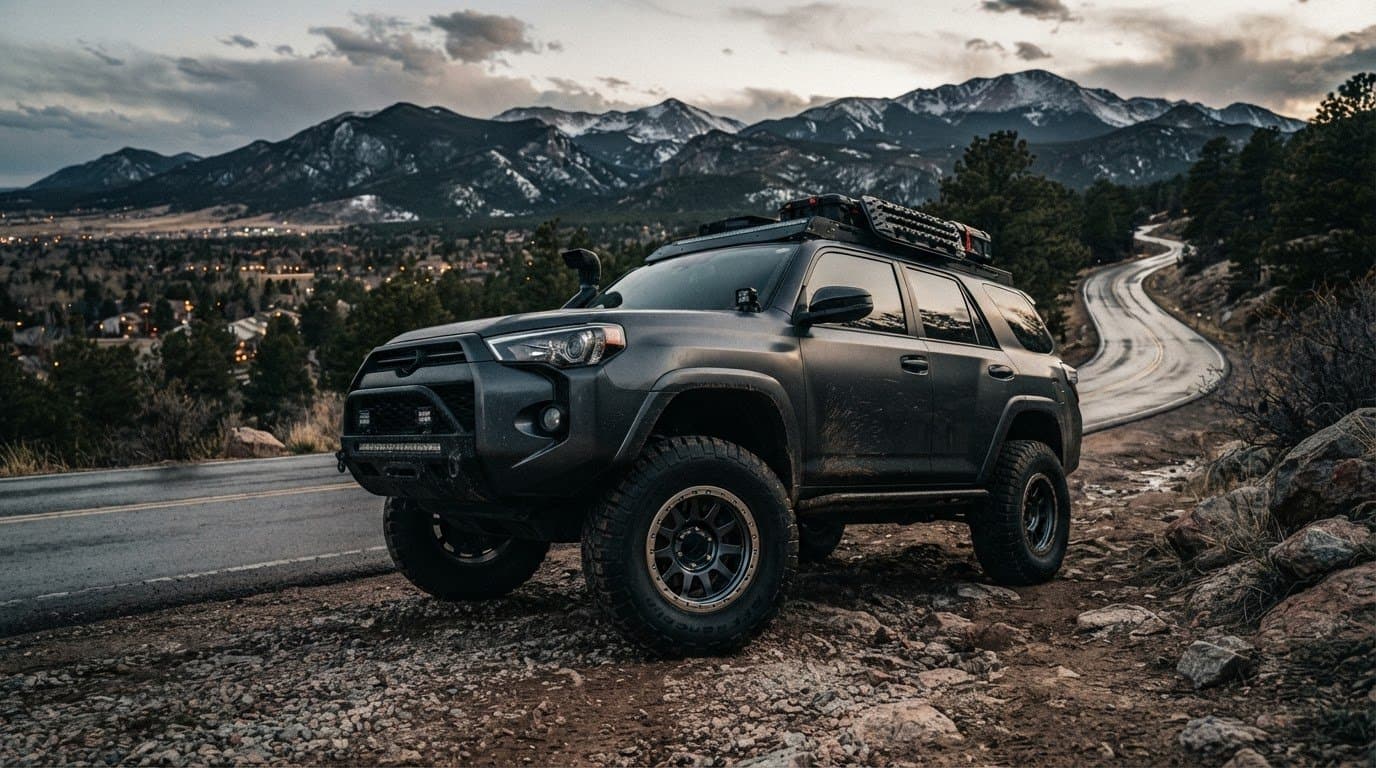
All-terrain tires may suit a truck or SUV that spends most of its time on roads but also travels on gravel or other unpaved routes. Mud-terrain tires are more specialized for drivers who prioritize off-road use and accept practical compromises for daily driving. Compare your regular routes with your off-road plans, then account for vehicle fitment before choosing. For a closer look at mixed-use options, explore this Colorado all-terrain tire guide.
A more aggressive tread isn’t automatically a better match. If you drive mostly around town, weigh whether its off-road strengths justify the extra noise or potential efficiency trade-off in your routine. Drivers planning a custom truck setup can also use this Colorado off-road tire and wheel roundup to compare possible combinations.
Compare each category with your driving habits, then narrow the options based on your vehicle and intended routes. Platinum Wheels offers all-season, all-terrain, and mud-terrain tires, along with wheel-and-tire packages. Drivers looking for a Denver tire and wheel solution can consider the full setup together.
How Tire Fitment, Wheels, and TPMS Work Together
A tire choice is only one part of a complete replacement. The tire must suit the vehicle, match the wheel it mounts on, and be considered alongside the tire-pressure monitoring system, or TPMS. Searching for a tire shop near me can start your search, but understanding how these parts work together helps you compare options before installation.
Fitment depends on your vehicle’s specifications and the tire-and-wheel setup selected for it. Tire size and wheel compatibility matter because a tire needs to match the wheel it mounts on, while the overall combination needs to suit the vehicle. A package can bring tire selection, compatible wheels, TPMS sensors, professional mounting, and balancing together rather than treating each component as a separate decision.
What information helps determine the right tire fit?
Start with your vehicle’s year, make, and model, then note the tire size currently installed. This gives you a clear baseline for comparing replacement options. If you’re considering custom wheels, larger tires, or a lift or leveling kit for a truck or SUV, include those plans too. Changes to the wheel and suspension setup can affect which tire-and-wheel combinations are appropriate to consider.
Explain the full goal when comparing options. A driver replacing tires on a daily vehicle may want to stay close to the current setup, while an owner planning a truck upgrade may be comparing off-road rims and tires as a coordinated package. The U.S. Tire Manufacturers Association’s USTMA tire care and safety information offers additional guidance on tire care and safety. It’s useful alongside vehicle-specific fitment decisions, not a substitute for them.
Why TPMS belongs in a tire replacement conversation
TPMS is the vehicle’s tire-pressure monitoring system. Its sensors are part of the setup used to monitor tire pressure, so they deserve consideration when tires or wheels are replaced. Include sensors in your planning alongside the selected tires and wheels, rather than leaving that component out of the initial comparison.
Platinum Wheels offers TPMS sensors in its wheel-and-tire package solutions, which can bring components, professional mounting, and balancing together. For a closer look at what the system does and why sensors matter during tire work, explore this TPMS sensor guide.
Before choosing a setup, gather your vehicle details, current tire size, and any planned wheel or suspension changes. That gives the fitment discussion a practical starting point for standard replacement tires as well as custom truck or SUV upgrades. If you’re considering a coordinated setup, explore wheel-and-tire solutions from Platinum Wheels.
What to Expect From Tire Installation at a Denver-Area Shop
A tire replacement or wheel upgrade involves more than choosing a tread pattern. Start with your vehicle and how you use it, then compare tire options, fitment, and installation needs. If you’re searching “tire shop near me,” understanding these steps makes it easier to see how tire, wheel, and sensor choices connect before work begins.
- Identify the vehicle and its use. Share the vehicle’s year, make, and model, and explain whether it’s mainly a daily driver or used for truck and SUV adventures.
- Select a tire category and size. Compare options suited to your typical roads and intended use, using the vehicle’s requirements as a guide.
- Confirm the fitment and wheel choice. Decide whether you’re keeping the current wheels or choosing a compatible set, and include TPMS sensors in the setup where relevant.
- Plan the installation. For a wheel-and-tire package, arrange for the selected components to be professionally mounted and balanced.
From tire choice to a ready-to-drive wheel-and-tire setup
Before installation, decide what kind of driving the tires should support, which size suits the vehicle, and whether new wheels are part of the plan. A coordinated package brings tire selection, wheel compatibility, TPMS sensors, mounting, and balancing into one setup. Platinum Wheels provides professional mounting and balancing with its wheel-and-tire package solutions, connecting the selected components with the installation work.
Mounting secures each tire to its wheel, while balancing addresses how weight is distributed around the wheel-and-tire assembly. These are distinct steps in preparing a package for use. Considering them alongside tire and wheel selection helps keep the project organized and brings the key components together.
When tire shopping overlaps with a truck or SUV upgrade
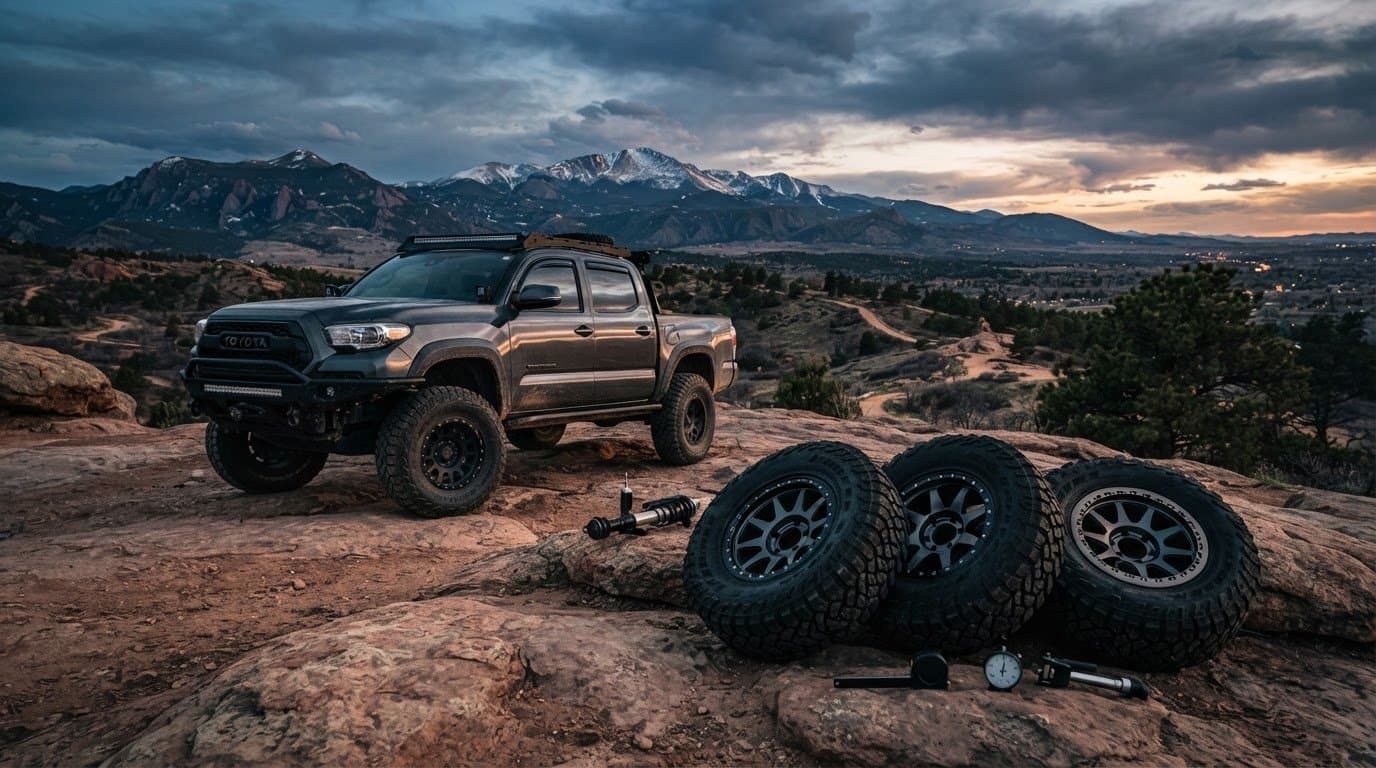
Planning larger tires for a truck or SUV calls for attention to more than the tire itself. The selected wheel must suit the setup, and suspension choices may also be part of the upgrade. Platinum Wheels installs lift and leveling kits for trucks and SUVs, so those options can be considered alongside tire and wheel plans when they fit the build.
Keep the intended use in focus: a truck set up for everyday roads may call for different choices from one built around off-road driving. Fitment matters throughout the process, so comparing tires, wheels, and suspension components as a coordinated project can make decisions clearer. This aftermarket wheel-and-tire package guide offers more detail on comparing package choices.
Ready to plan a tire replacement or truck and SUV upgrade? Explore wheel-and-tire packages at Platinum Wheels for a solution that brings selection, fitment, sensors, mounting, and balancing together.
Find Your Tire Shop Near Me: Work With Platinum Wheels
For Denver drivers searching for a tire shop near me, Platinum Wheels brings everyday tire options and truck or SUV upgrades together at a local wheel-and-tire specialty shop. The shop offers new tires, all-season, all-terrain, and mud-terrain tires, custom truck wheels and off-road rims, wheel-and-tire packages, and TPMS sensors. Truck and SUV owners can also consider lift and leveling kits as part of a broader setup.
Platinum Wheels serves Denver and communities across the Colorado Front Range, including Aurora, Lakewood, Englewood, Wheat Ridge, Commerce City, Westminster, Thorton, Broomfield, Arvada, Golden, Littleton, Parker, Highlands Ranch, Castle Rock, Boulder, Fort Collins, and Colorado Springs. Whether you’re replacing tires on a daily driver or planning a custom truck setup, start with your vehicle and how you use it.
Which local drivers can use the shop’s tire and wheel services?
Everyday tire shoppers can explore new tires and all-season options, while truck and SUV owners can consider all-terrain or mud-terrain tires, custom wheels, and packages. Drivers planning a suspension upgrade can also explore lift and leveling kits. Platinum Wheels is a locally owned independent shop serving Front Range communities, focused on tires, wheels, and suspension upgrades.
A little preparation can make it easier to describe what you need. Before exploring options, gather:
- Vehicle details: Year, make, and model help frame the tire and wheel discussion.
- Current tire size: Use the size on your tires now as a reference for replacement planning.
- Driving priorities: Note whether your regular use is mainly city and highway driving, unpaved routes, or off-road travel.
- Upgrade questions: Consider whether you want to change wheels, include TPMS sensors, or plan a lift or leveling kit for your truck or SUV.
Take the next step toward the right tire setup
Start with your vehicle, usual driving, and the setup you have in mind. That context helps keep the discussion focused, whether you’re comparing replacement tires or planning a larger wheel-and-tire project. You don’t need to arrive with every technical detail settled; a clear idea of your priorities is a practical first step.
Explore Platinum Wheels’ tire, wheel, and package options to find a direction that fits your vehicle and plans. Explore tire and wheel solutions at Platinum Wheels.
Choose a Setup That Fits the Road Ahead
Your next tire decision is a chance to think beyond replacement day. Consider what you want your vehicle ready for, from everyday commuting to driving that calls for a different wheel-and-tire setup. A clear priority can make the options easier to weigh without defaulting to the most aggressive tread or the most eye-catching wheel.
If you’re searching “tire shop near me,” look for a solution that connects your vehicle’s needs with the setup you want. Platinum Wheels is a locally owned independent shop serving the Colorado Front Range. Its wheel-and-tire packages can include TPMS sensors and professional mounting and balancing, bringing the components together as a coordinated choice.
Take the next step and explore your options. Explore tire and wheel solutions at Platinum Wheels to start shaping a setup for your vehicle and the roads ahead.
Frequently Asked Questions
How do I choose a tire shop near me?
Choose a shop whose tire and wheel expertise fits your vehicle and plans. Before comparing options, write down your vehicle details, current tire size, and the kinds of roads you drive most. Those details make it easier to compare a straightforward replacement with a larger wheel-and-tire upgrade. Platinum Wheels serves drivers in Denver, Aurora, Lakewood, Englewood, Wheat Ridge, Commerce City, Westminster, Thorton, Broomfield, Arvada, Golden, Littleton, Parker, Highlands Ranch, Castle Rock, Boulder, Fort Collins, and Colorado Springs.
Can a tire shop install new tires and wheels together?
Yes. A wheel-and-tire package combines those choices, and Platinum Wheels’ packages can include TPMS sensors, professional mounting, and balancing. Before selecting a setup, consider whether you want to keep your current wheels, change their style, or choose a different tire category. For a truck or SUV, include plans for larger tires or suspension upgrades so the overall setup is considered together.
What tires are suitable for driving around Denver and Colorado?
The suitable tire depends on your vehicle, regular routes, seasonal conditions, and how often you leave paved roads. A commuter who mainly drives city streets may prioritize different features from a truck owner who regularly takes gravel roads. Compare the intended use and trade-offs of each category, then narrow your choice based on your driving routine. No one tire type is the right answer for every Colorado driver.
Do new tires need TPMS sensors?
Not every tire replacement automatically means replacing the sensors. TPMS is your vehicle’s tire-pressure monitoring system, and sensor needs depend on the existing setup and the components being selected. Include whether you’re keeping or changing your wheels in the replacement plan. Platinum Wheels offers TPMS sensors with its wheel-and-tire package solutions, so sensor considerations can be included while you choose the rest of the setup.
Can I buy tires without replacing my wheels?
Yes. You can replace tires while keeping your existing wheels, provided the selected tires suit the vehicle and wheel specifications. A standard replacement, for example, may not involve changing wheel style. Platinum Wheels sells new tires as well as custom wheels and wheel-and-tire packages, so you can consider a tire-focused replacement or a coordinated upgrade according to your vehicle and goals.
How often should I rotate my tires?
Use the maintenance schedule in your vehicle owner’s manual and the tire manufacturer’s recommendations, since the appropriate rotation interval can vary with the vehicle, tire, and driving conditions. Check tire pressure and tread condition regularly, and pay attention to uneven wear rather than assuming rotation alone will resolve it. If you notice a change, note where it appears and when you first saw it before planning your next tire service.
Can Platinum Wheels help with tires for trucks and SUVs?
Yes. Platinum Wheels offers truck and SUV tire options, including all-terrain and mud-terrain tires, along with custom wheels and off-road rims. Owners planning a larger setup can also consider lift or leveling kits, which Platinum Wheels installs for trucks and SUVs. Start with your vehicle details and intended use, such as commuting, gravel travel, or off-road driving, so the tire and wheel choices reflect how you’ll use the vehicle.