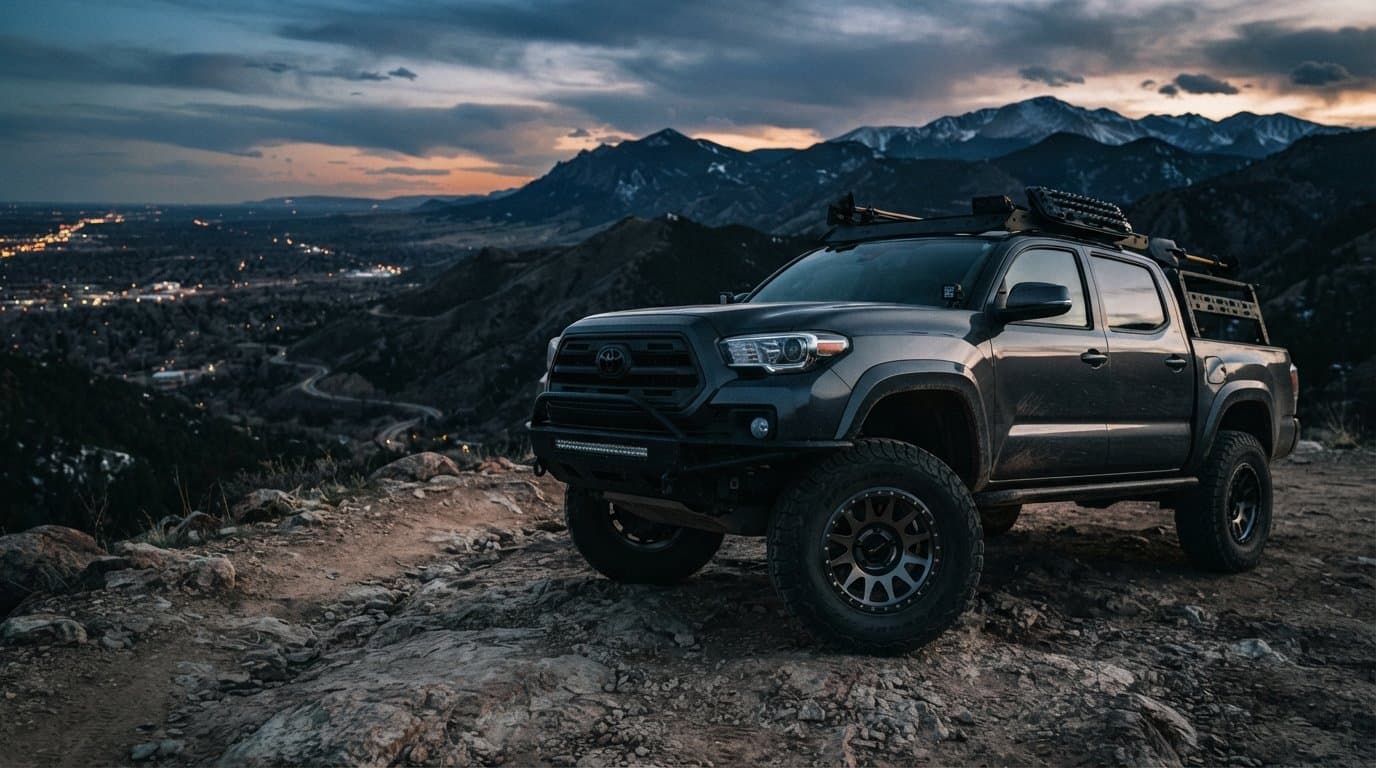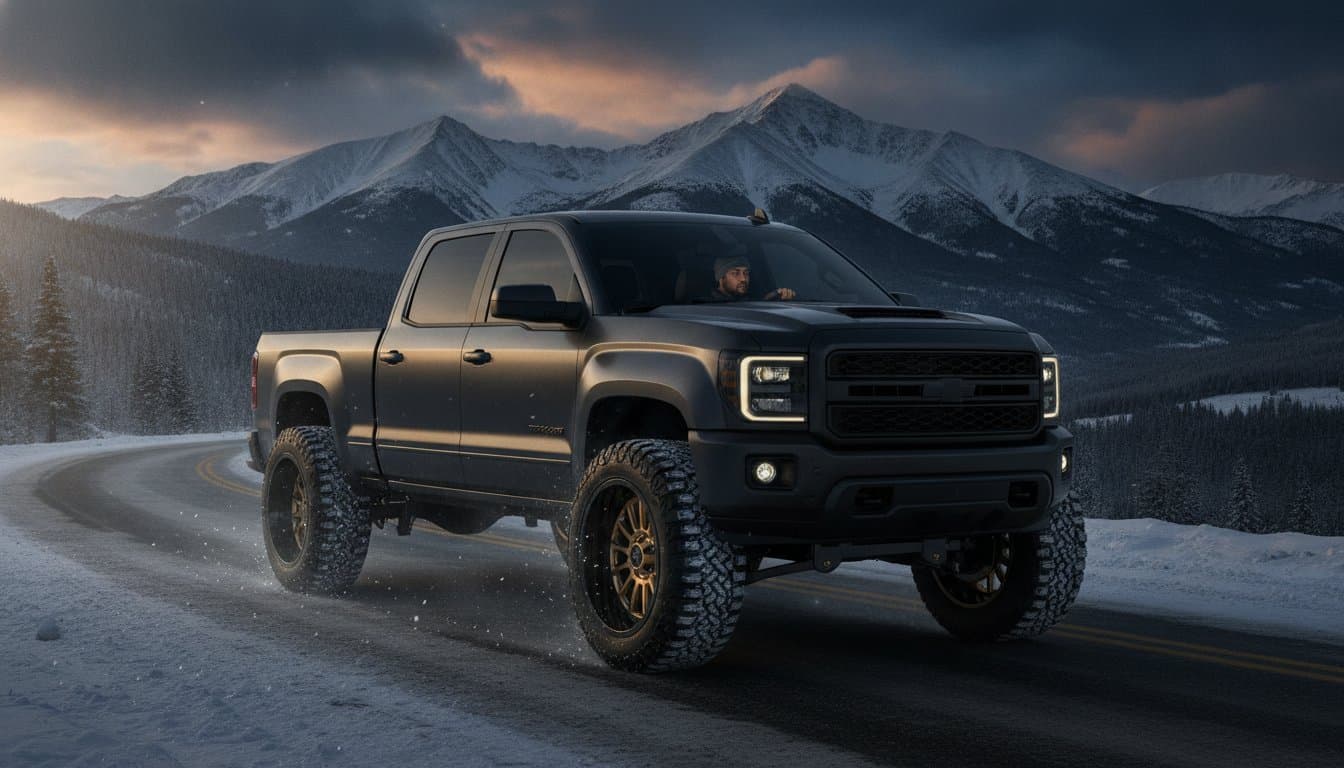

Expert Guide to 6 Inch Lift Kits in Denver
What if the lift that looks right on your truck isn’t the best match for how you drive it? A 6 inch lift kit can add ground clearance and create room for a more aggressive tire setup, but the results depend on your truck, wheel fitment, and daily driving needs.
It’s natural to focus on added height and stance. Yet a suspension lift can also affect ride feel, handling, passenger access, and the relationship between tires and wheels. Those details matter whether your truck spends most of its time on Denver streets or heads out for recreation along the Colorado Front Range.
This guide explains what a 6-inch lift changes, what to consider before choosing one, and how to plan a suspension, wheel, and tire setup that works together. You’ll learn why vehicle-specific fitment matters, how intended use shapes the decision, and how professional installation fits into a well-planned upgrade. The goal is a capable truck that suits both your vehicle and the way you use it.
Key Takeaways
- A 6 inch lift kit is a substantial suspension change, and kit design can vary by truck and vehicle configuration.
- Use your truck’s year, make, model, trim, drivetrain, and existing modifications as starting points for fitment planning.
- Consider tire diameter, wheel width, and offset together to plan for clearance and the stance you want.
- Factor in everyday practicalities such as passenger access, parking garages, and changes in handling before choosing a lift.
- Plan in sequence: define how you use your truck, account for vehicle-specific fitment, then coordinate the lift, wheels, tires, and professional installation.
What a 6-Inch Lift Kit Changes for Your Truck
A 6-inch lift kit makes a substantial change to suspension height, but it isn’t a universal package with identical parts or results for every truck. Kit design depends on the vehicle, and the completed setup can affect the truck’s stance, tire clearance, and road feel. Owners often consider this height for a more pronounced look, room for larger tires, or more clearance beneath parts of the vehicle.
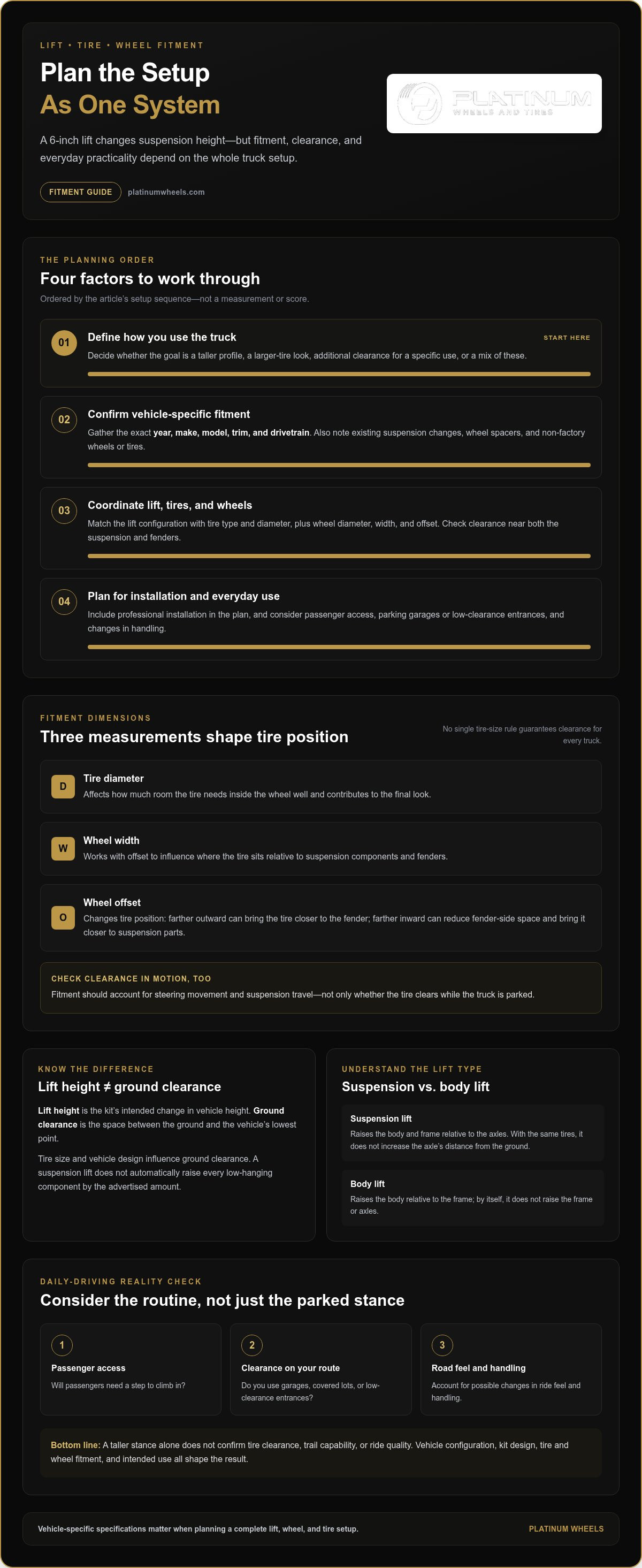
Lift height is the kit’s intended change in vehicle height; ground clearance is the space between the ground and the vehicle’s lowest point. Those measurements aren’t interchangeable. Tire size and vehicle design influence ground clearance, and lifting the suspension doesn’t automatically raise every low-hanging component by the advertised amount.
What does six inches of lift actually mean?
An advertised six-inch figure describes the kit’s intended lift, not a promise that every point on the truck will measure six inches higher after installation. The measurement reference, factory configuration, and kit components all matter. A suspension lift uses suspension components to raise the vehicle’s body and frame relative to the axles. A body lift, by contrast, raises the body relative to the frame; not every lift kit uses one, and a body lift alone doesn’t raise the frame or axles.
The distinction matters when you’re considering tire and underbody clearance. With the same tires, a suspension lift doesn’t increase the axle’s distance from the ground. Larger tires can change that clearance, but their fit depends on the vehicle and wheel setup. A taller stance alone doesn’t confirm that a tire will clear through steering movement or suspension travel.
Who might consider a 6-inch lift?
This setup may appeal to truck owners who want a noticeably taller profile or are planning a larger-tire look. Those are valid appearance goals, but they’re different from a specific off-road clearance requirement. Consider where you need additional clearance, how often you’ll drive off pavement, and whether the truck still needs to fit comfortably into everyday routines.
For a Colorado Front Range driver, that might mean weighing weekday commuting and parking against weekend recreation. Lift height alone can’t predict trail capability or ride quality. Tire choice, wheel fitment, kit design, and intended use all shape the outcome. Start with the reason for the change, then match the full setup to that goal.
Check Vehicle, Tire, and Wheel Fitment Before Choosing a 6-Inch Lift Kit
A lift, tires, and wheels work as a system. A 6 inch lift kit doesn’t guarantee that a particular tire will clear: the truck’s configuration and the wheel’s position both affect available space. Before selecting parts, gather the exact vehicle details and define the tire-and-wheel result you want.
How do tire size and wheel offset affect a lifted truck?
Tire diameter affects how much room the tire needs inside the wheel well, while wheel width and offset influence where it sits relative to the suspension and fenders. A wheel that positions the tire farther outward may change the stance, but can also bring the tire closer to the fender. Moving it inward can reduce fender-side space and bring it closer to suspension components.
Fitment isn’t just a matter of whether a tire fits while parked. Clearance should also account for steering movement and suspension travel. Rather than relying on a universal tire-size rule, match tire and wheel dimensions to the specific truck and lift configuration. For more wheel basics, see the Denver custom wheels and rims guide.
Which vehicle details matter for a 6-inch lift?
Start with the exact year, make, model, trim, and drivetrain. Differences in factory configuration can affect which components and fitments apply. Note any existing suspension changes, wheel spacers, or non-factory wheels and tires, since they can change the starting point for planning.
Use this quick framework to organize the details before settling on a setup:
| Fitment area | What to identify | Why it matters |
|---|---|---|
| Vehicle | Year, make, model, trim, drivetrain, and existing modifications | These details inform kit and component compatibility. |
| Tire goals | Intended tire type and desired overall diameter | Tire dimensions affect wheel-well clearance and the final look. |
| Wheel considerations | Wheel width, diameter, and offset | These dimensions influence tire position and clearance near suspension parts and fenders. |
Verify vehicle-specific lift, tire, and wheel specifications before treating any combination as compatible. Modifications can also raise regulatory questions; SEMA’s overview of aftermarket-parts regulations offers broader context, but it isn’t a substitute for checking requirements that apply to your vehicle and location.
With those details organized, explore lift kits and coordinated wheel-and-tire options from Platinum Wheels to plan a setup around your truck and intended use.
Will a 6-Inch Lift Kit Still Work for Daily Driving?
It can, but a taller truck may ask you to adjust more than your parking habits. A 6 inch lift kit can deliver the stance and clearance you want, yet added height may affect passenger access, garage clearance, and how the truck feels behind the wheel. Whether those trade-offs make sense depends on how you use the vehicle every day, not just how it looks parked.
What everyday trade-offs should owners consider?
Think through your routine. Will passengers need a step to climb in? Do you regularly use a parking garage, covered lot, or low-clearance entrance? Account for the truck’s overall height after the lift and tire setup, not just the lift figure. If you haul or tow, include those needs in the decision.
Ride and handling aren’t guaranteed to stay the same. They depend on the truck, lift-kit design, tires, and overall setup. A larger or more aggressive tire can also change road feel and everyday comfort. The right choice balances the look you want with the driving you actually do.
- Potential benefits: A taller stance and the possibility of added clearance for your intended use.
- Practical considerations: Passenger access, garage entry, and a familiar ride may require more thought after increasing vehicle height.
- Setup priority: Choose tires for your real mix of pavement and recreation, rather than appearance alone.
Does a 6-inch lift make sense for Colorado driving?
Consider your typical week alongside your weekend plans. A truck used mostly for Front Range commuting may spend far more time in traffic, parking lots, and garages than on rough terrain. If mountain roads or trails are part of the plan, identify the conditions you expect to encounter and build around those needs. Changing weather and terrain make tire purpose an important part of the decision.
Be specific about the balance: daily pavement with occasional recreation calls for different priorities than frequent off-pavement use. An all-terrain or mud-terrain tire may suit different driving conditions, and neither lift height nor tire label alone guarantees a particular ride or capability. Match the whole setup to your routine, then weigh the everyday compromises honestly.
How to Plan a 6-Inch Lift Kit, Installation, and Tire Setup
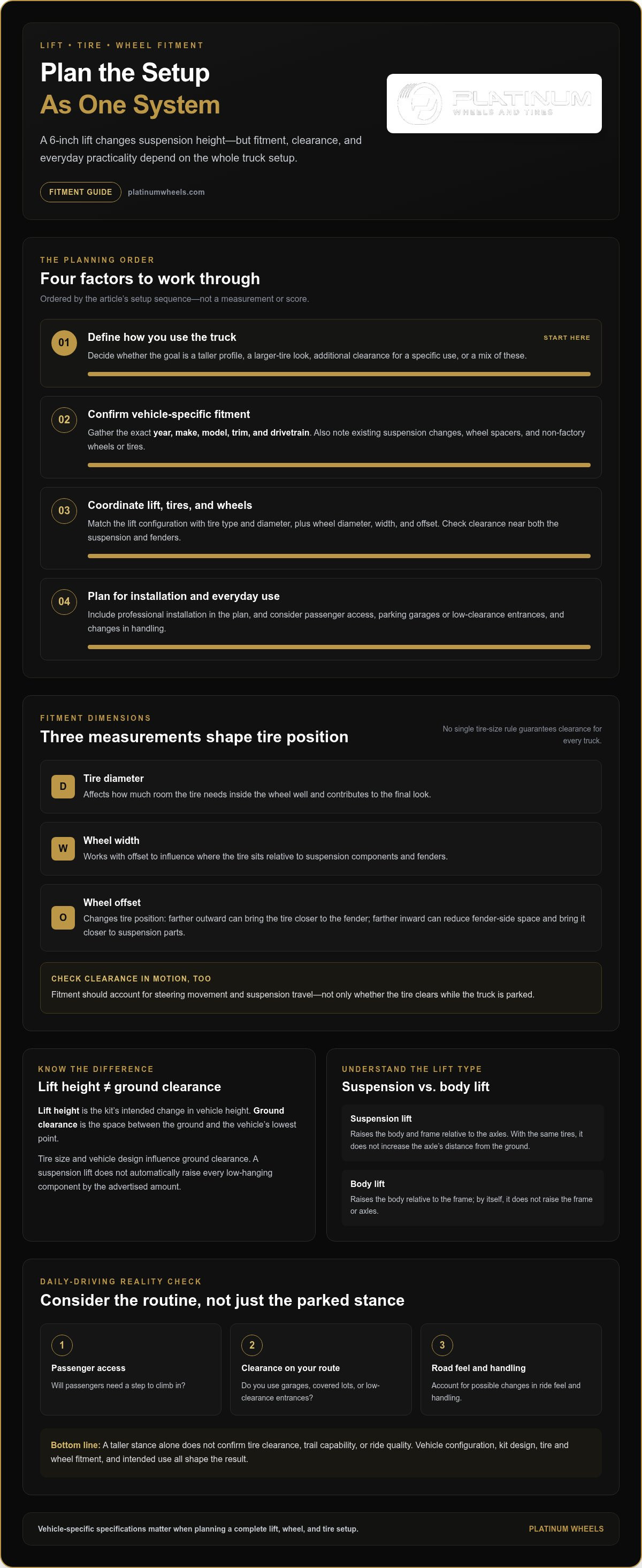
A well-matched build starts with a clear plan, not a parts list. Decide what you want the truck to do, then coordinate the lift, wheels, and tires around that goal. Platinum Wheels professionally installs lift kits on trucks and SUVs and plans these upgrades together, with fitment tailored to the vehicle and intended use.
What should you decide before installation?
Use this sequence to turn your goals into a practical setup:
- Define the use. Rank appearance, added clearance, daily driving, hauling, and off-road recreation by importance.
- Record the vehicle details. Note the exact year, make, model, trim, and drivetrain, along with factory configuration and existing suspension or wheel changes.
- Set tire goals. Choose the kind of driving the tires need to support, then consider a tire size that fits the vehicle and lift configuration.
- Coordinate the wheels. Account for wheel width and offset alongside tire dimensions, since each affects clearance and stance.
- Review the complete setup. Compare the lift, wheel, and tire choices as one package before installation.
If you’re still weighing lift height against a smaller change, read the lift kit versus leveling kit guide before settling on a direction.
What happens during professional lift-kit installation?
Installation is vehicle-specific. The components and procedures depend on the truck or SUV and the design of the selected kit, so there isn’t one universal checklist for every build. Platinum Wheels installs lift kits and considers how the suspension change works with the intended wheels and tires, rather than treating height as a standalone decision.
After installation, the setup needs appropriate fitment checks. That includes assessing wheel and tire clearance and considering alignment according to the vehicle and kit specifications. Any relevant steering or driveline specifications should also be verified for that exact configuration. A final review helps ensure the selected components work together as intended; not every vehicle requires identical parts or procedures.
Ready to plan a complete suspension upgrade? Plan your lift and tire setup with Platinum Wheels.
Build a Complete 6-Inch Lift Kit Setup with Platinum Wheels
A suspension upgrade works best when the parts are planned as a system. Platinum Wheels professionally installs lift kits and helps coordinate custom wheels with all-terrain or mud-terrain tires, bringing suspension height and fitment into one practical build plan. For Denver drivers and truck owners across the Colorado Front Range, that means shaping the setup around the vehicle and how it’s used, not choosing components by appearance alone.
How Platinum Wheels brings the suspension and tire setup together
A 6 inch lift kit changes the starting point for wheel and tire choices. Tire dimensions, wheel width, and offset all influence how the finished setup sits and whether the components work together. Platinum Wheels considers those choices alongside the lift, with professional installation to complete the suspension upgrade. The goal is a cohesive result suited to the truck’s intended use, whether that includes everyday driving, recreation, or both.
That coordinated approach helps you avoid treating the lift, wheels, and tires as separate decisions. A striking stance matters, but so do appropriate vehicle fitment and the kind of driving the tires are meant to support. Platinum Wheels is a locally owned independent shop serving the Colorado Front Range, with lift-kit installation and wheel-and-tire options for trucks and SUVs.
What to bring to a lift-kit planning conversation
Come prepared with a few useful details. They give the planning conversation a clear starting point:
- Vehicle: Year, make, model, trim, and drivetrain.
- Current setup: Existing suspension, wheels, tires, and other modifications.
- Driving routine: How you use the truck for commuting, hauling, and recreation.
- Build direction: The stance you want and your preferred tire or wheel style.
With this information, Platinum Wheels can shape the discussion around your truck and priorities, then bring the lift, wheel, and tire choices together into a considered plan. The shop serves Denver, Aurora, Lakewood, Englewood, Wheat Ridge, Commerce City, Westminster, Thorton, Broomfield, Arvada, Golden, Littleton, Parker, Highlands Ranch, Castle Rock, Boulder, Fort Collins, and Colorado Springs. A clear picture of your goals makes it easier to weigh the look you want against the way you’ll use the vehicle.
If you’re ready to talk through the options, plan your lift and wheel setup with Platinum Wheels.
Build a Lifted Truck That Fits Your Plans
A 6 inch lift kit is more than a change in ride height. The right decision starts with your truck’s exact configuration and what you expect from it, then brings lift, tire size, and wheel fitment together. Daily driving, passenger access, and parking all deserve a place in the plan alongside stance and recreation.
Professional installation and coordinated fitment can help make the finished setup work as a whole. Platinum Wheels installs lift kits and leveling kits, and helps match custom wheels with all-terrain or mud-terrain tires. As a locally owned shop serving the Colorado Front Range, the team can shape an upgrade around your vehicle and intended use.
Ready to turn your goals into a practical build plan? Plan your lift kit, wheel, and tire setup with Platinum Wheels. Start with the details that matter to you and move forward with a setup planned around how you’ll use your truck.
Frequently Asked Questions
What does a 6-inch lift kit do to a truck?
A 6 inch lift kit raises the truck’s body and frame through suspension changes, with the exact design depending on the vehicle and kit. It can create a taller stance and more room around the tires, but advertised lift height isn’t the same as ground clearance beneath every component. Tire size, wheel fitment, and vehicle configuration all affect the finished result, so consider them together when planning a suspension upgrade.
Can you fit 35-inch tires with a 6-inch lift?
Sometimes, but a 6-inch lift doesn’t guarantee that 35-inch tires will fit every truck. Clearance depends on the year, make, model, trim, drivetrain, suspension configuration, and wheel dimensions, including width and offset. A setup also needs clearance through steering movement and suspension travel, not just while parked. Verify the specific truck, lift, wheel, and tire combination before choosing a size.
Is a 6-inch lift too high for daily driving?
Not necessarily, but the right choice depends on your routine and comfort with the trade-offs. A taller truck may be harder for passengers to enter and may not fit some garages or covered parking areas. Think about commuting, parking, hauling, and recreation before choosing. For Denver-area driving, weigh weekday practicality against an occasional mountain road or trail trip, then choose a setup that fits both priorities.
How does a 6-inch lift affect handling and ride quality?
A lift can change how a truck feels on the road, so don’t assume the ride and handling will remain unchanged. The result depends on the vehicle, kit design, tire choice, wheels, and completed setup. Larger or more aggressive tires may also affect road feel. Professional installation and vehicle-specific fitment help ensure the components work together, but the final driving experience still depends on the full configuration.
Do I need new wheels with a 6-inch lift kit?
Not always. Whether your current wheels work depends on their dimensions and compatibility with the lift and tire choice. Wheel width and offset affect where the tire sits relative to suspension components and fenders, so a larger tire may call for a different wheel setup. Evaluate the wheel and tire combination with the specific vehicle and kit rather than assuming the lift alone determines what fits.
How long does it take to install a 6-inch lift kit?
Installation time varies with the vehicle and the design of the selected kit, so there isn’t one reliable duration for every truck or SUV. The work may involve different components and vehicle-specific procedures, followed by fitment checks and alignment considerations. Platinum Wheels professionally installs lift kits and leveling kits, with installation planned around the vehicle and selected setup.
Does a 6-inch lift kit fit every truck?
No. Fitment depends on the truck’s year, make, model, trim, drivetrain, factory configuration, and existing modifications. Kit design, wheel dimensions, and tire choice matter too, so verify specifications for the exact vehicle before deciding on compatibility. Platinum Wheels is a locally owned shop serving Denver, Aurora, Lakewood, Englewood, Wheat Ridge, Commerce City, Westminster, Thornton, Thorton, Broomfield, Arvada, Golden, Littleton, Parker, Highlands Ranch, Castle Rock, Boulder, Fort Collins, and Colorado Springs.