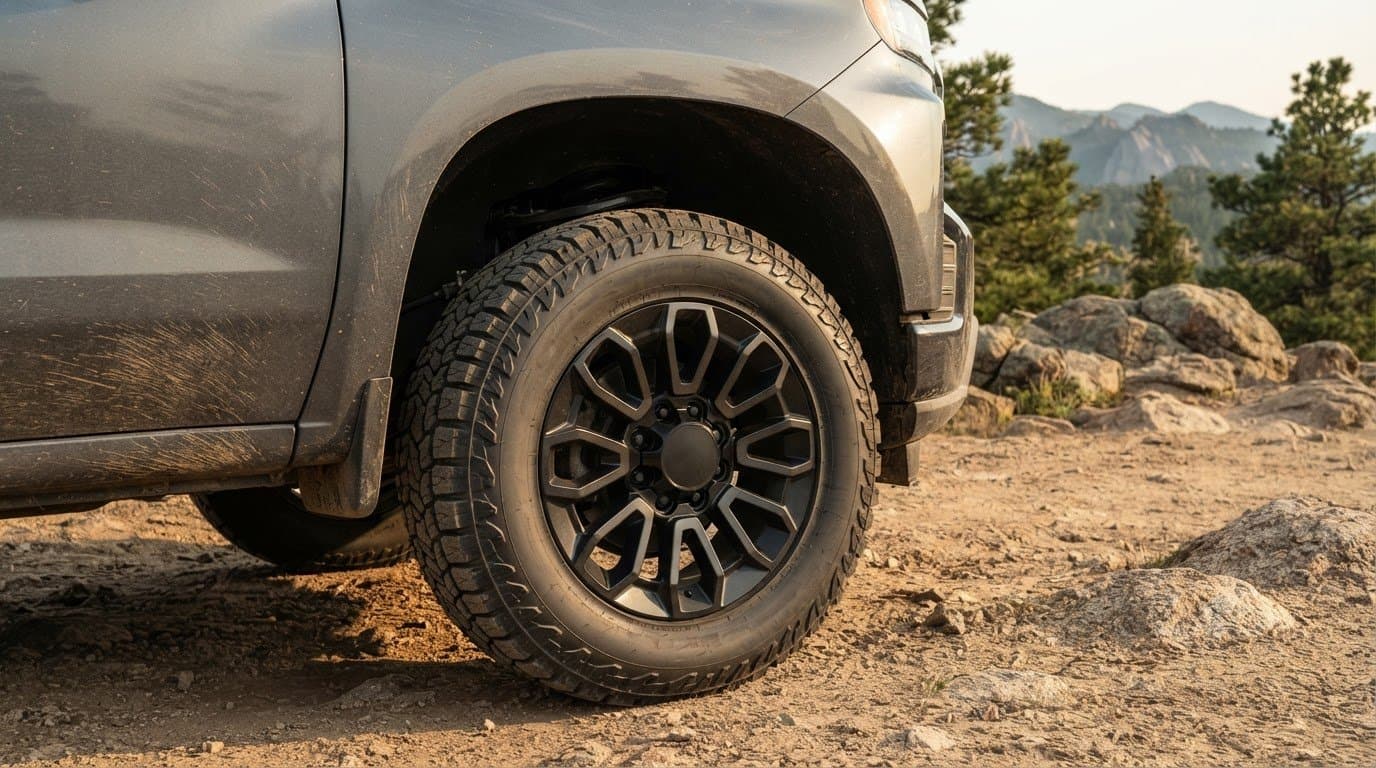
Top Custom Chevy Wheels for Denver Off-Roading
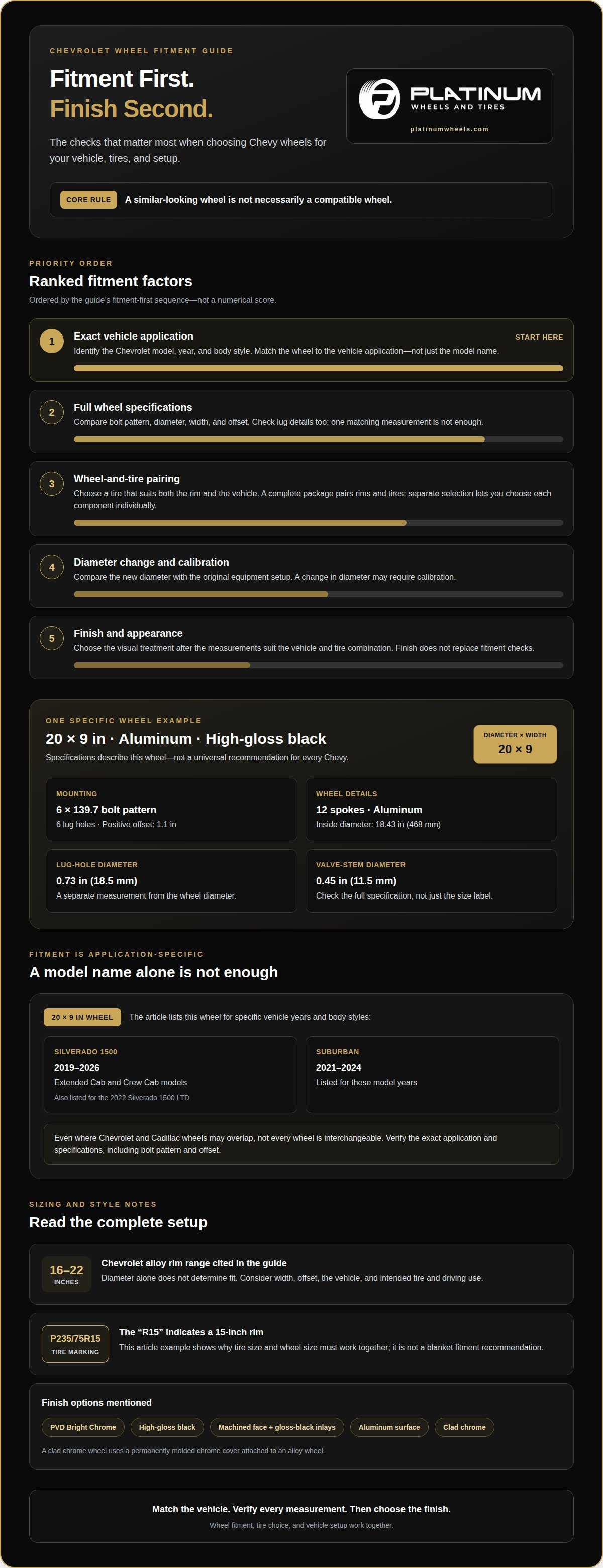
Aftermarket Chevy wheels can change your truck’s stance and style, but the right choice starts with fitment. Chevrolet alloy rims are available in sizes from 16 to 22 inches, and the correct option depends on your vehicle’s model and wheel specifications. Bigger isn’t automatically better for a Denver off-road setup.
It makes sense to focus on appearance, but diameter, width, bolt pattern, and offset also determine how a wheel fits and works with your tires. This guide explains how to compare Chevy wheels by size and finish, check model fitment, and weigh aftermarket options for your build. You’ll also see how tires, wheel-and-tire packages, and lift or leveling kits can shape a setup for roads and trails around Denver.
Key Takeaways
- Learn how wheel diameter, width, and finish affect the look and fit of your setup.
- See why matching wheel specifications to your Chevrolet model matters more than choosing by appearance alone.
- Understand which fitment details to weigh when comparing factory and aftermarket options.
- Explore how pairing wheels with suitable tires or a lift or leveling kit can shape an off-road build.
Alloy wheel sizes and finishes
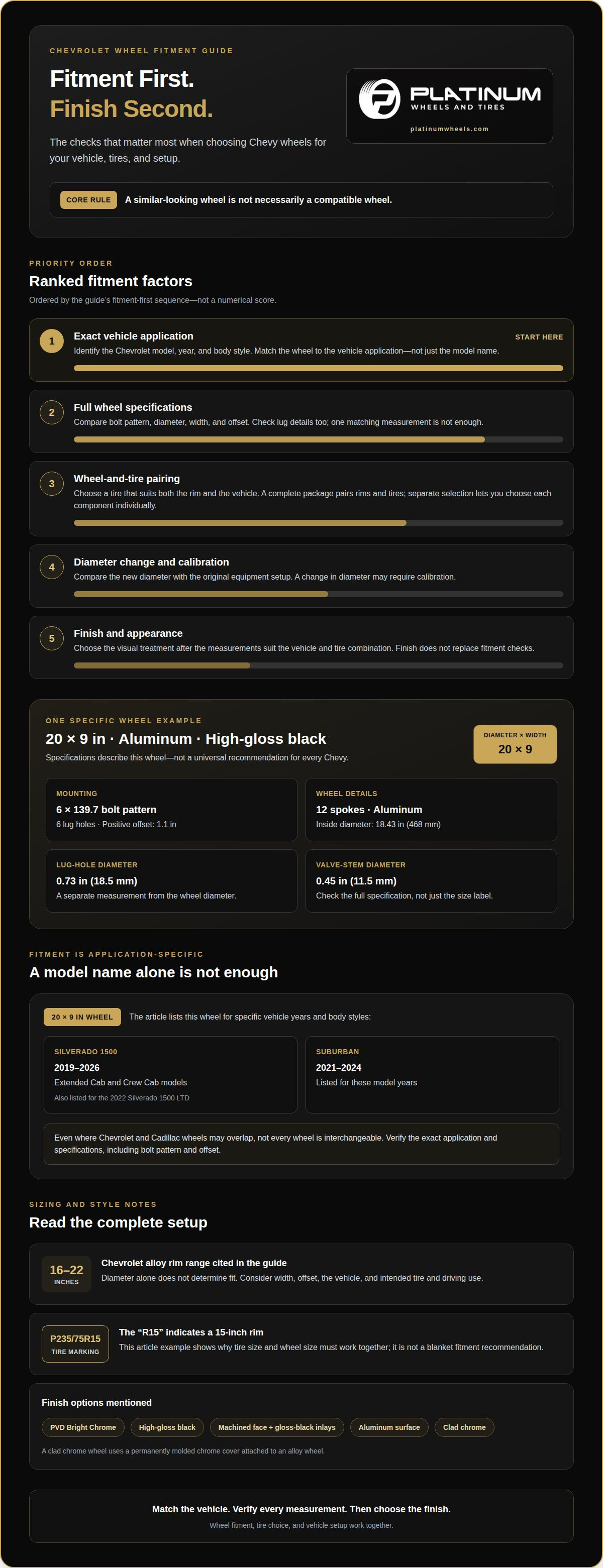
Chevrolet alloy rims span sizes from 16 to 22 inches, but diameter alone doesn’t determine fit. Read the tire marking for a useful clue: P235/75R15 indicates a 15-inch rim. That example shows why wheel and tire sizing must work together. For a Denver truck setup, consider the intended tire and driving use alongside the wheel’s diameter, width, and finish.
Finish changes the wheel’s appearance and construction. A clad chrome Chevrolet wheel uses a permanently molded chrome cover attached to an alloy wheel. PVD Bright Chrome is another finish found on Chevrolet factory wheels, including 20x9-inch Silverado 1500 wheels. Other examples include high-gloss black, machined faces with gloss-black inlays, and aluminum surfaces. These descriptions distinguish visual treatments; they don’t replace fitment measurements.
Compare the full specifications, not just the finish name. The Chevrolet 20x9-Inch Aluminum Multi-Spoke Wheel in High Gloss Black measures 20 inches in diameter and 9 inches wide. It’s aluminum and has 12 spokes. Its inside diameter is 18.43 inches (468 mm). Those details identify a specific wheel, rather than a general recommendation for every Chevrolet truck or SUV.
Use a practical sequence when narrowing options: identify the vehicle, match the wheel dimensions, then choose the finish. For that same high-gloss-black wheel, the valve stem diameter is 0.45 inches (11.5 mm). This is a separate specification from its 20-inch diameter. A PVD Bright Chrome Silverado wheel offers a different visual direction, while machined faces and gloss-black inlays combine contrasting surfaces. Choose by appearance only after the measurements suit the intended vehicle and tire combination. That keeps style choices connected to the setup, rather than treating finish as a substitute for size.
Chevrolet wheel fitment by vehicle model
Chevrolet OEM wheels vary across trucks, SUVs, and passenger cars, so start with the exact model and year. Check the wheel’s bolt pattern, diameter, width, and offset against the vehicle application before choosing a finish or tire set.
OEM Wheel and Rim Options
OEM listings cover Silverado 1500, Silverado 2500, Silverado 3500, Tahoe, Suburban, Traverse, Impala, Camaro, and Corvette. A Chevrolet 20x9-inch wheel is listed for Silverado 1500 Extended Cab and Crew Cab models from 2019 through 2026, plus the 2022 Silverado 1500 LTD. That same wheel is listed for Suburban models from 2021 through 2024. Match the year and body style, not just the model name.
Finish helps narrow the visual choice after fitment. Chevrolet options include PVD Bright Chrome, gloss black, and machined faces with gloss-black inlays. For example, an Impala OEM wheel set is listed with PVD Bright Chrome, while Silverado 1500 options also include that finish. Wheel accessories can be purchased as individual rims or full wheel packages, making it possible to choose a single replacement or a matched set.
Wheel Interchangeability
Some stock Chevrolet wheels interchange with Cadillac wheels, particularly many later-model Silverado wheels. That overlap doesn’t make every wheel interchangeable. Compare the specific vehicle application and wheel specifications, including bolt pattern and offset. The Chevrolet 20x9-inch example uses a 6x139.7 bolt pattern, positive offset of 1.1 inches, and six lug holes. Those details help distinguish a compatible match from a similar-looking rim.
Wheel-and-tire sets also need to suit the intended vehicle. A complete package pairs rims and tires, while choosing the wheel and tire separately allows each component to be selected for the setup. Chevrolet wheel accessories are available individually or in full packages. For a truck build, align the wheel fitment with the tire choice and overall stance; a wheel and tire setup can bring those decisions together.
Aftermarket Chevy wheels
Aftermarket wheels can change a Chevrolet’s appearance and setup, but fitment comes first. Compare the wheel specifications with your vehicle’s requirements before choosing a style or pairing tires.
Aftermarket Wheel Options
Start with the vehicle application, then compare bolt pattern, offset, diameter, and width. For example, the Chevrolet 20x9-Inch Aluminum Multi-Spoke Wheel in High Gloss Black has a 6x139.7 bolt pattern and positive offset of 1.1 inches. Its lug holes measure 0.73 inches (18.5 mm) in diameter. Those measurements describe that specific wheel, not every aftermarket option for a Chevrolet.
Next, consider how the wheel’s diameter compares with the original equipment setup. A change in diameter may require calibration. Plan the wheel and tire combination together, since the tire must suit both the rim and the vehicle. A matched package can make it easier to choose these components as one setup.
Warranty and recall coverage depend on the specific vehicle or component, and fitment specifications alone don’t establish either. Assess an aftermarket wheel choice separately from any coverage that may apply to the original vehicle or parts.
Replacement and Installation Steps
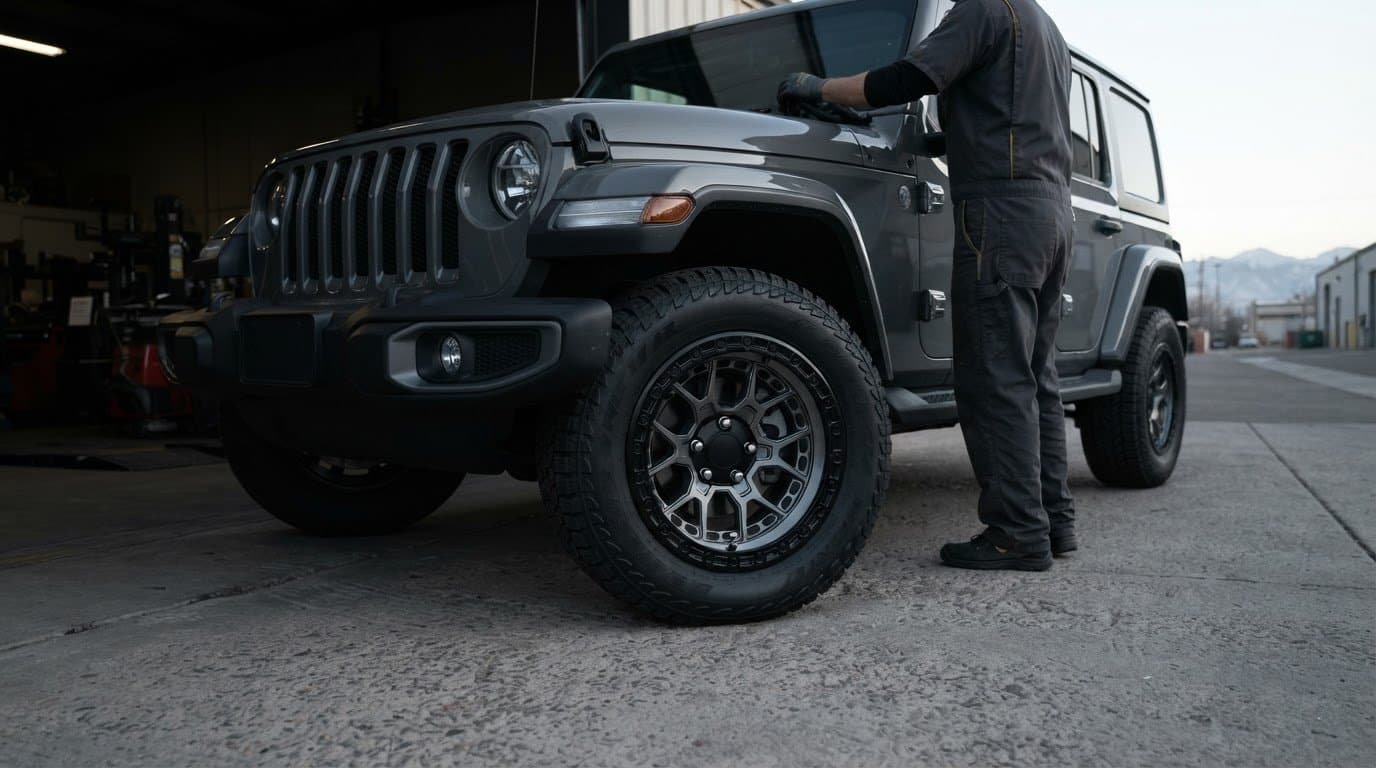
Start by identifying the Chevrolet model and matching the new wheel’s specifications to its application. Select a compatible wheel-and-tire pairing, then plan installation and check whether the new diameter differs from the original equipment. That difference may make calibration necessary, so account for it in the setup from the beginning.
For example, a wheel with the same bolt pattern can still differ in offset, width, or diameter. Compare all these details instead of relying on appearance or one matching measurement. If the replacement changes diameter, include calibration in the installation plan. This keeps fitment, tire selection, and vehicle setup connected from the start.
How do Chevy OEM wheels compare with aftermarket wheels?
OEM and aftermarket wheels meet different priorities: a factory-style replacement or a more tailored appearance. Compare the vehicle application, wheel specifications, finish, and included components before choosing.
An OEM wheel can preserve the vehicle’s original style and specifications when it matches the correct application. Chevrolet wheel-exchange purchases require the exact same OEM wheels, including size, style, spoke pattern, and original stock finish. That requirement matters for an exchange: a similar-looking rim isn’t an exact match. For a direct replacement, match the model and wheel details to narrow your selection.
Aftermarket wheels come in different designs and finishes, but they still need to suit the vehicle. Consider the wheel and tire together, and check which components are included. A Chevrolet wheel may be sold without a center cap; matching caps, lug nuts, wheel locks, tires, and tire pressure monitoring sensors can be separate items. Chevrolet also offers center caps in chrome, black, and custom-logo styles. These details explain why a bare rim and a complete setup aren’t the same purchase.
Consider the supporting hardware, too. Chevrolet wheel accessories include tamper-resistant lug nuts and anti-theft wheel locks intended to protect wheels. Tire pressure monitoring systems and sensors provide real-time alerts about tire inflation. Locks help protect the wheels, while TPMS sensors communicate tire-pressure information. An OEM replacement or aftermarket setup should account for the appropriate components alongside the rim.
For off-roading around Denver, base your choice on the build’s purpose, not appearance alone. A factory-style replacement preserves the original look, while an aftermarket design offers a more customized direction. Either way, match the wheel to the vehicle and plan compatible tires and components. The main distinction is straightforward: OEM prioritizes an exact factory match, while aftermarket selection allows customization within proper fitment.
Platinum Wheels: Custom Truck Wheels & Off-Road Rims
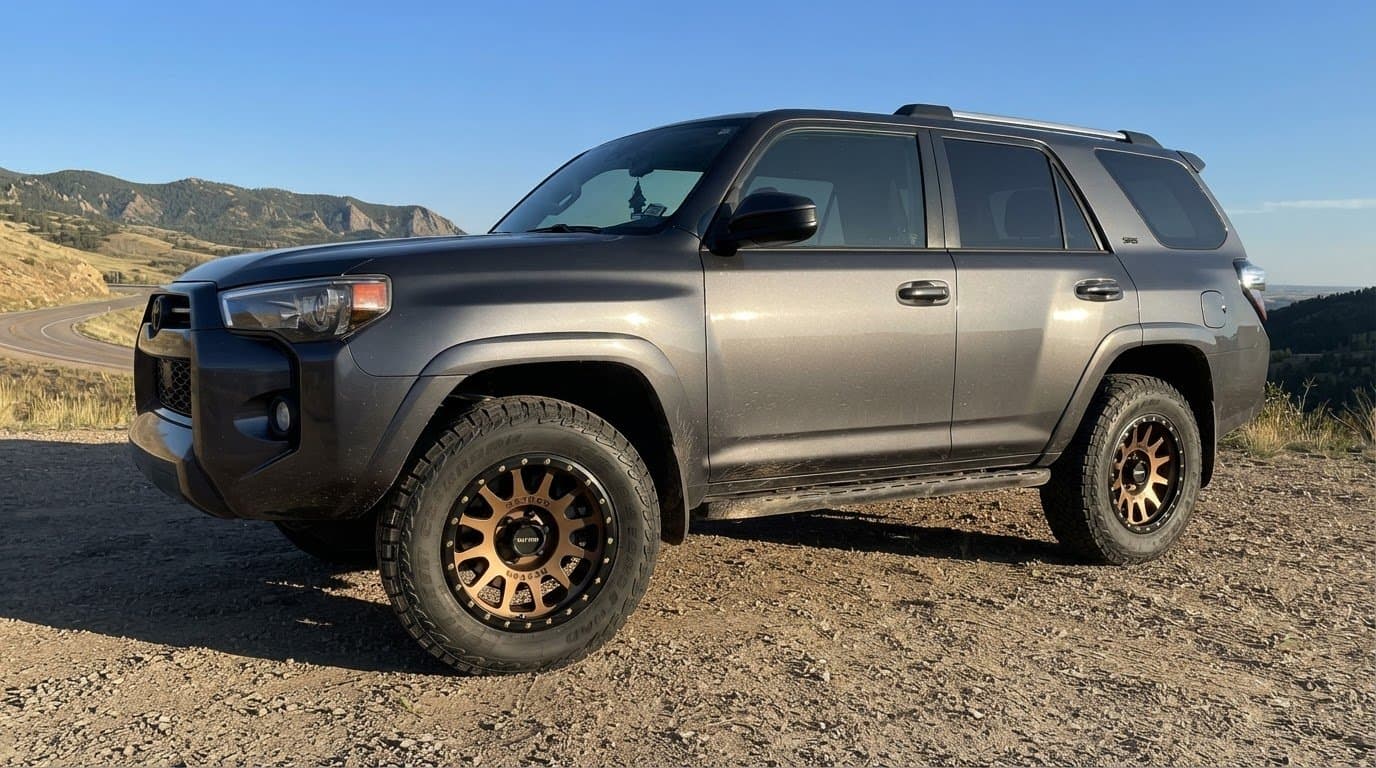
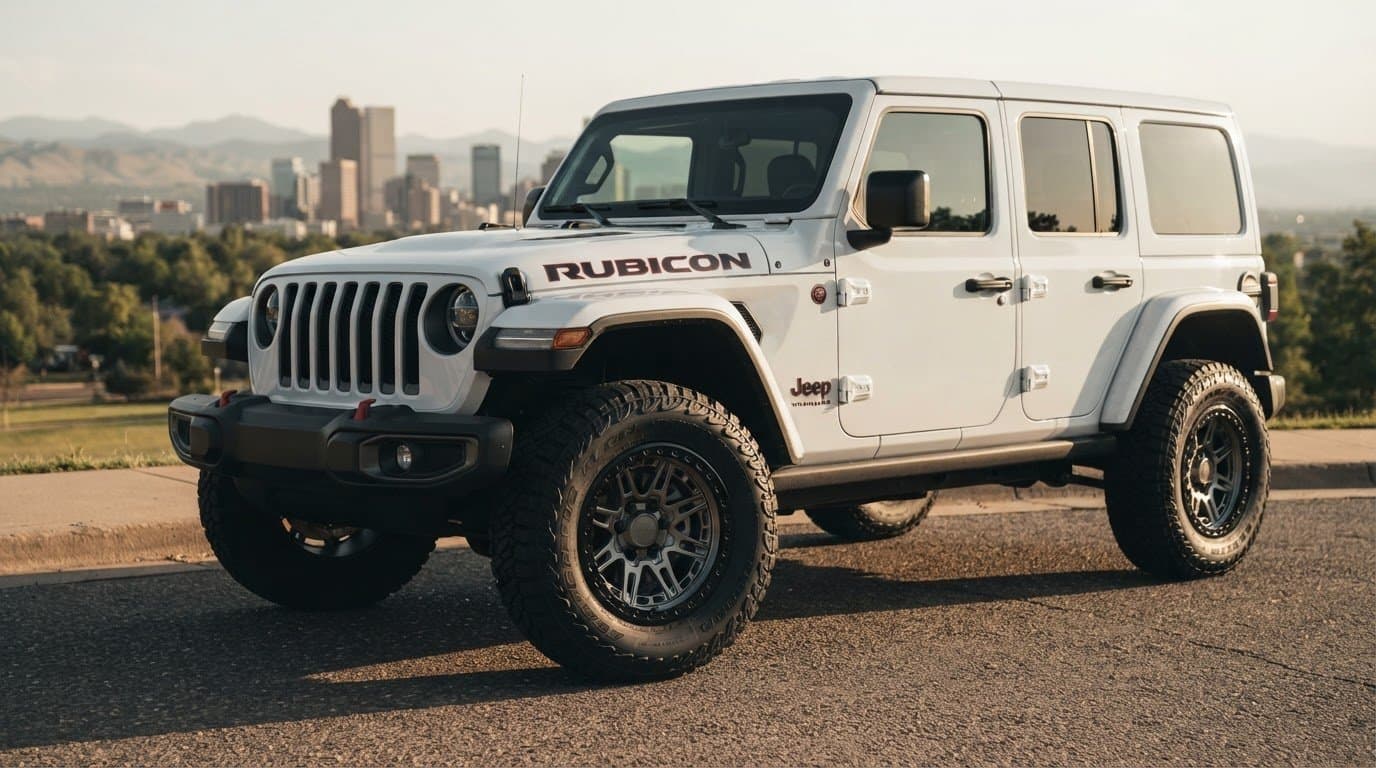
Platinum Wheels helps Denver drivers plan truck setups around wheel fitment, tire choice, and intended use. Its custom truck wheels and off-road rims offer ways to personalize your build, while all-terrain and mud-terrain tires let you choose a tread style for your driving needs.
For a coordinated setup, wheel and tire packages bring those choices together. Lift kits and leveling kits can also adjust a truck’s stance as part of a broader build. Consider these options when you’re ready to move from comparing specifications to selecting components for your Chevrolet.
Contact Platinum Wheels to discuss your wheel and tire setup.
Shape a Setup Around Your Next Drive
Let the way you use your Chevrolet guide the build. A daily driver that also hits the trails has different priorities from a truck built mainly for off-road travel. Before choosing parts, decide what matters most: a distinctive appearance, a coordinated wheel-and-tire setup, or a stance suited to your plans. That gives the conversation a clear starting point and helps connect your goals with the right options.
Thoughtful choices make a build feel personal while keeping the vehicle’s needs in view. Bring your ideas for Chevy wheels and the kind of driving you have in mind, then explore the options with a team focused on truck setups.
Talk with Platinum Wheels about your build and take the next step toward a setup that feels right for your Chevrolet.
Frequently Asked Questions
What wheel sizes fit different Chevy models and years?
Fitment depends on the exact model, year, and body style, so there isn’t one size for every Chevrolet. For example, a 20x9-inch wheel is listed for Silverado 1500 Extended Cab and Crew Cab models from 2019 through 2026. Treat that as an application-specific example, not a rule for every Silverado. Match the full vehicle description to the wheel listing before choosing tires.
What is the bolt pattern for popular Chevy vehicles?
Chevrolet bolt patterns vary by wheel application, so one pattern shouldn’t be assumed to fit every model. A specific 20x9-inch Chevrolet wheel uses a 6x139.7 bolt pattern and six lug holes. Use both the pattern and the vehicle application to narrow a match. A wheel with a similar appearance or diameter can still have a different bolt pattern.
What Chevy wheel offset and center bore specifications are required?
Offset and center bore must match the wheel application; there isn’t one specification for all Chevrolet vehicles. For example, a listed 20x9-inch Chevrolet wheel has a positive offset of 1.1 inches. Center bore refers to the opening at the wheel’s center, and its required measurement depends on the vehicle. Treat these as separate fitment checks alongside the bolt pattern.
Can Chevy wheels from one model fit another?
Sometimes, but the model name alone doesn’t establish interchangeability. Some stock Chevrolet wheels interchange with Cadillac wheels, particularly many later-model Silverado wheels. The exact rim still needs to match the vehicle’s size, style, spoke pattern, finish, and fitment specifications. For example, an exchange requiring an exact OEM match isn’t satisfied by a wheel that merely looks similar or shares a model family.
How do I check whether used Chevy wheels are safe and compatible?
Inspect each used wheel for visible cracks, bends, heavy corrosion, and damage around the bead seat or lug holes. Compare its markings and measurements with the vehicle’s requirements, including bolt pattern, width, diameter, and offset. If you’re buying a complete set, check that all the wheels match. A clean finish alone doesn’t prove structural condition or correct fitment.
What tire sizes work with Chevy wheels?
The right tire size must suit both the rim width and the vehicle’s fitment requirements. Read the tire sidewall marking: P235/75R15 indicates a 15-inch rim. That marking identifies rim diameter, but it doesn’t make the tire suitable for every Chevrolet. Match the full tire specification to the wheel and vehicle, especially when changing from the original equipment diameter.