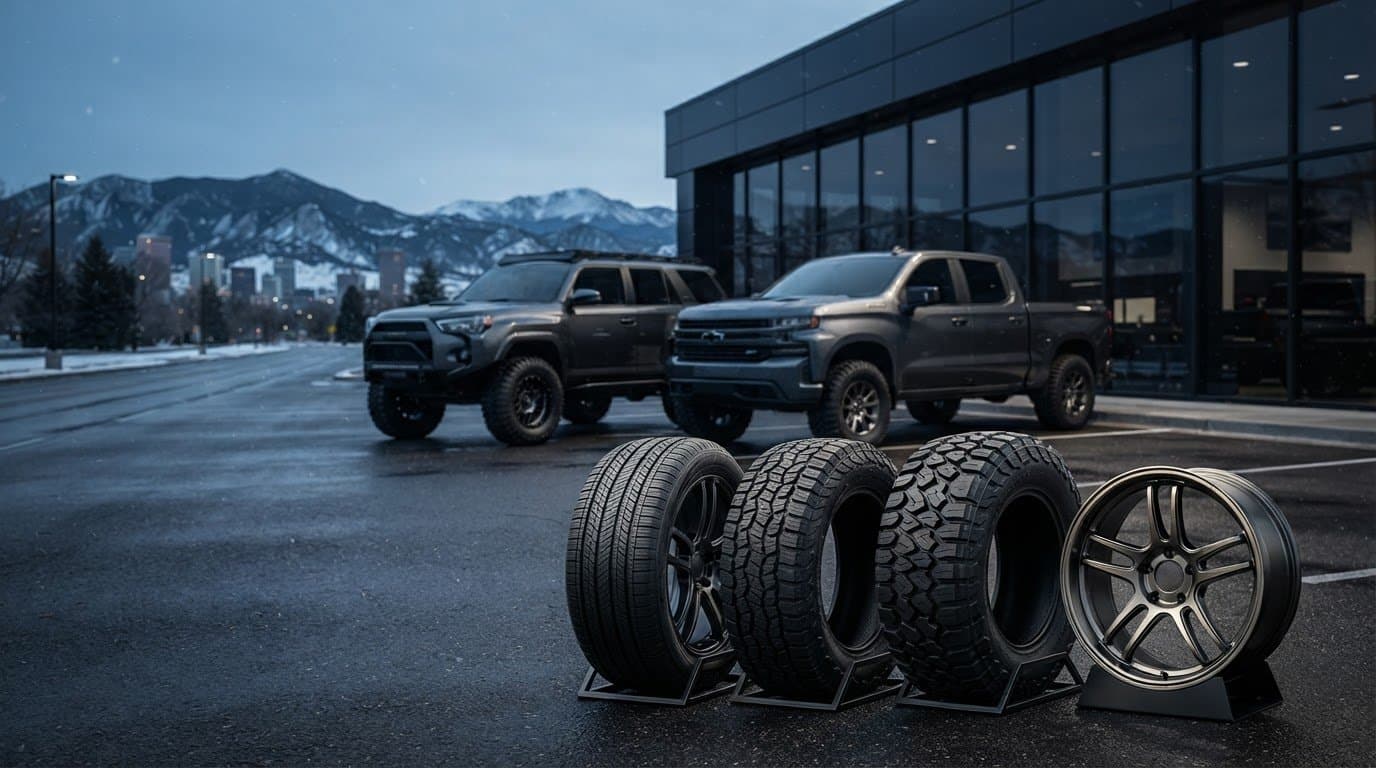
Cheap Tires in Denver: Find Quality New Tires Near You
The lowest-priced tire isn’t a bargain if it doesn’t suit your vehicle or the roads you drive. If you’re searching for “cheap tires near me” in Denver, compare options carefully: tire size, season, tread design, and proper fitment all affect how well a tire works for your commute and Colorado trips.
You shouldn’t have to choose between affordability and a suitable fit. Start with your vehicle’s specifications and the conditions you actually face, from city streets to winter weather and mountain routes. This guide explains what to compare beyond the listed price, how to narrow down tire types, and what to consider when choosing a nearby shop. Platinum Wheels is a locally owned Colorado Front Range tire and wheel retailer offering new, all-season, all-terrain, and mud-terrain tires, along with wheel-and-tire packages that can bring fitment, TPMS sensors, mounting, and balancing together.
Key Takeaways
- Searching for cheap tires near me? Compare value by how well a tire fits your vehicle and regular driving, not just its listed price.
- Learn how all-season, all-terrain, and mud-terrain tires differ, and which factors can help narrow your options.
- Use a fitment checklist to consider vehicle requirements, intended use, and what a wheel-and-tire package includes.
- Account for Denver’s changing weather and your typical routes when deciding which tire category makes sense.
- See how Platinum Wheels brings tire selection, wheel fitment, TPMS sensors, mounting, and balancing together.
Cheap Tires Near Me: What “Affordable” Should Mean for Denver Drivers
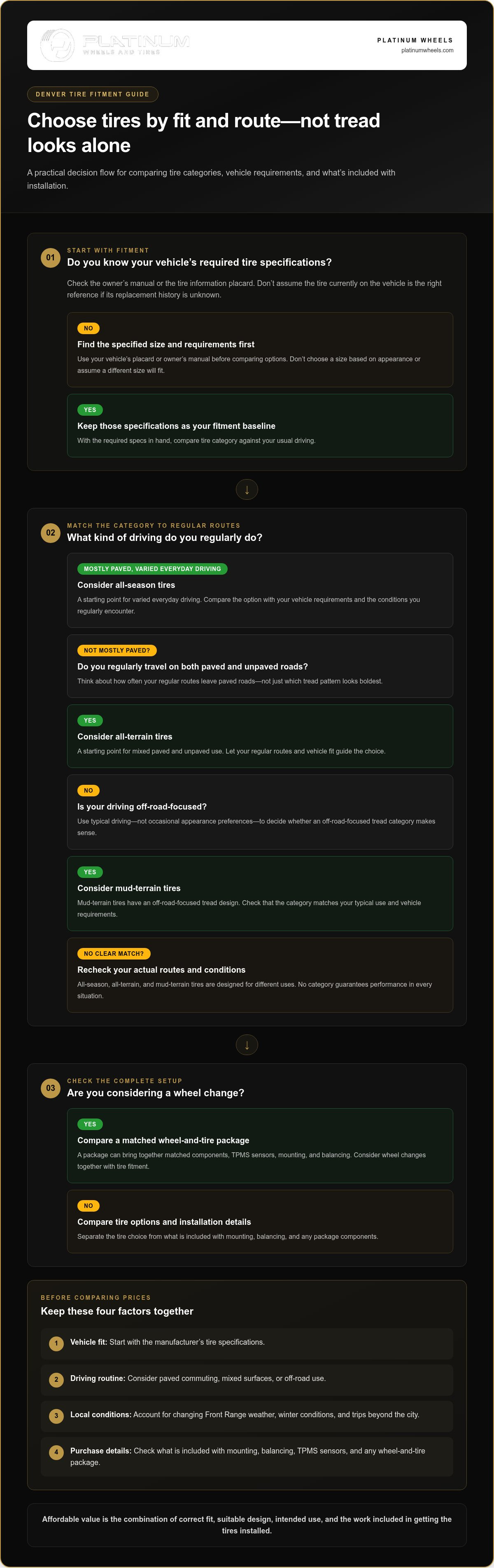
Worn tread, visible damage, or uneven wear can make replacing tires feel urgent. But a rushed choice based only on the lowest listing can leave you with tires that don’t fit your vehicle or suit your routes. If you’re searching for cheap tires near me, use a practical checklist: confirm your vehicle’s requirements, consider where you drive, then compare tire types and what’s included with the purchase.
Tire value comes from the combination of correct fit, suitable design, intended use, and the work included in getting the tires installed. That’s a more useful measure than appearance or sticker price alone.
Is the cheapest tire always the best value?
Not by itself. A low initial price doesn’t show whether a tire meets your vehicle’s specifications, suits your routes, or is designed for the conditions you regularly encounter. Compare options on the same basis: confirm fit first, then consider season, tread design, and whether you mainly drive on paved roads or regularly travel on rougher surfaces.
Looks can be misleading, too. A bold tread pattern may appeal to you, but appearance alone doesn’t establish that it’s right for your vehicle or driving. Tire construction and category affect how a tire is designed to be used. The types of tires overview provides helpful background. Focus on the match, not the most aggressive-looking tread or the lowest number on a listing.
What should Denver drivers compare before buying?
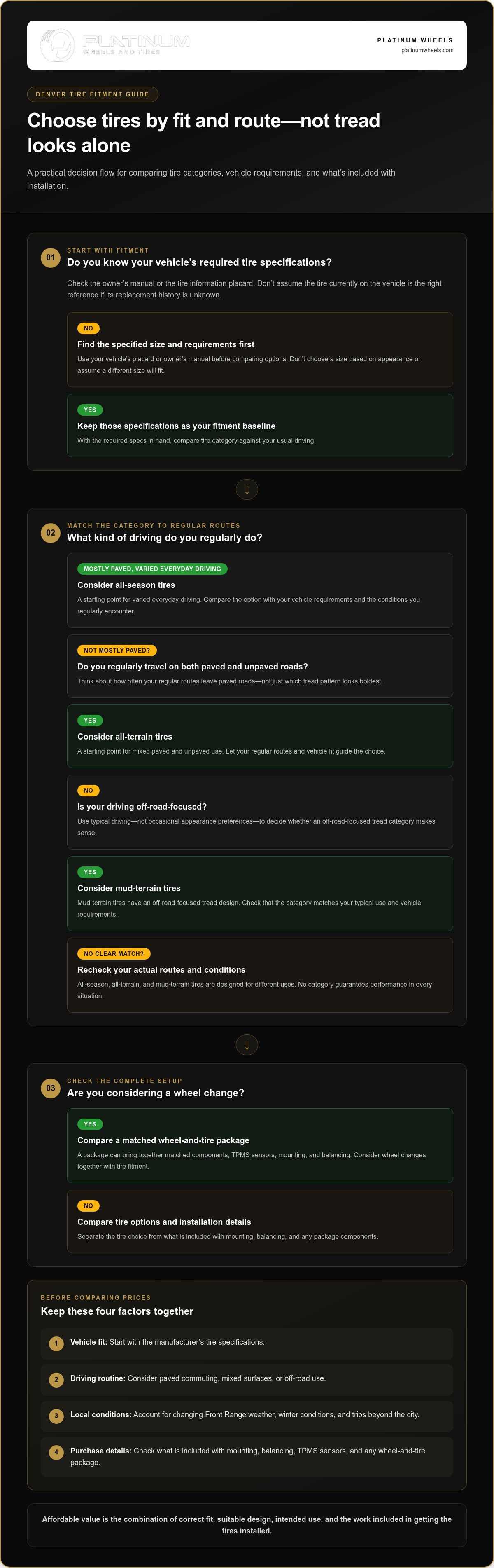
Begin with your vehicle’s tire requirements. Check the owner’s manual or the tire information placard for the specified size and other requirements. Don’t assume that a tire already on the vehicle is the right reference, especially if you don’t know its replacement history. Platinum Wheels can help match tire options to vehicle fitment and the setup you have in mind.
Next, be specific about how you drive. A daily commute on city streets and highways may call for a different tire category than frequent unpaved-road travel or off-road use. All-season, all-terrain, and mud-terrain tires are designed for different uses, so choose based on your regular routes rather than occasional appearance preferences.
Denver-area weather is another consideration. Conditions can change across the Front Range, and your driving plans may include winter weather or trips beyond the city. Think about the conditions you’re likely to encounter and compare tire categories accordingly. No category guarantees performance in every situation, so match the tire to your vehicle and typical use.
- Vehicle fit: Start with the manufacturer’s tire specifications.
- Driving routine: Consider paved commuting, mixed surfaces, or off-road use.
- Purchase details: Compare tire options separately from mounting, balancing, and package components.
- Condition: Look beyond styling to tread and visible tire condition.
How to Compare Tire Types and Fit Before You Buy
Once you know how you use your vehicle, compare tire categories against those routes rather than choosing by tread appearance alone. These broad descriptions are a starting point, not a substitute for checking your vehicle’s requirements. If you’re comparing cheap tires near me, keep category and fitment in view alongside the listed price.
All-season, all-terrain, or mud-terrain: which fits your driving?
All-season tires are one category to consider for varied everyday driving. All-terrain tires suit drivers considering a mix of paved roads and unpaved use, while mud-terrain tires have an off-road-focused tread design. None is automatically the right choice for every Colorado driver. Let your vehicle specifications and regular routes guide the comparison.
| Tire category | A useful starting point | Consider |
|---|---|---|
| All-season | Varied everyday driving | How your regular routes and vehicle requirements shape the fit |
| All-terrain | Mixed paved and unpaved use | How often you leave paved roads |
| Mud-terrain | Off-road-focused use | Whether that tread category matches your typical driving |
For a closer look at choosing for local conditions, Platinum Wheels offers Colorado all-terrain tire guidance. Use it as a reference, then weigh the category against your vehicle and routes.
How do tire size and TPMS affect fitment?
Start with the tire placard on your vehicle or its owner’s manual. These provide the manufacturer’s required tire specifications. Don’t select a size based on appearance or assume a different size will fit. NHTSA’s tire safety guidance is another useful reference for tire selection and care.
Wheel changes can affect fitment and the package decision, so consider the tire and wheel together. A wheel-and-tire package can bring together matched components, TPMS sensors, mounting, and balancing. TPMS sensors are part of the setup because they support the vehicle’s tire pressure monitoring system. Platinum Wheels can account for vehicle fitment and intended use when putting together package options.
Before comparing options, write down the required tire size, describe your usual driving, and note whether you’re considering a wheel change. That gives you a clear basis for comparing tire categories and complete packages. For local tire and wheel fitment, explore Platinum Wheels’ tire and wheel options.
What a Nearby Tire Shop Should Help You Get Right
A lower-priced tire can still be the wrong choice if it doesn’t match your vehicle or the way you drive. A useful fitment conversation connects your vehicle’s specifications to your regular routes and the tire category you’re considering, then makes clear what’s included in the package. That way, a search for cheap tires near me becomes a comparison of complete options, not just numbers on a listing.
Before choosing a tire package, check the vehicle fit, intended use, tire category, and included components. These four points make it easier to spot a mismatch before purchase and understand what you’re comparing.
- Vehicle fit: Start with the vehicle’s required tire specifications and current wheel setup.
- Intended use: Describe your typical driving, including paved routes, mixed surfaces, or off-road use.
- Tire category: Compare options that suit those requirements and routes.
- Package components: Review whether the package includes TPMS sensors, mounting, and balancing.
What should a complete tire package account for?
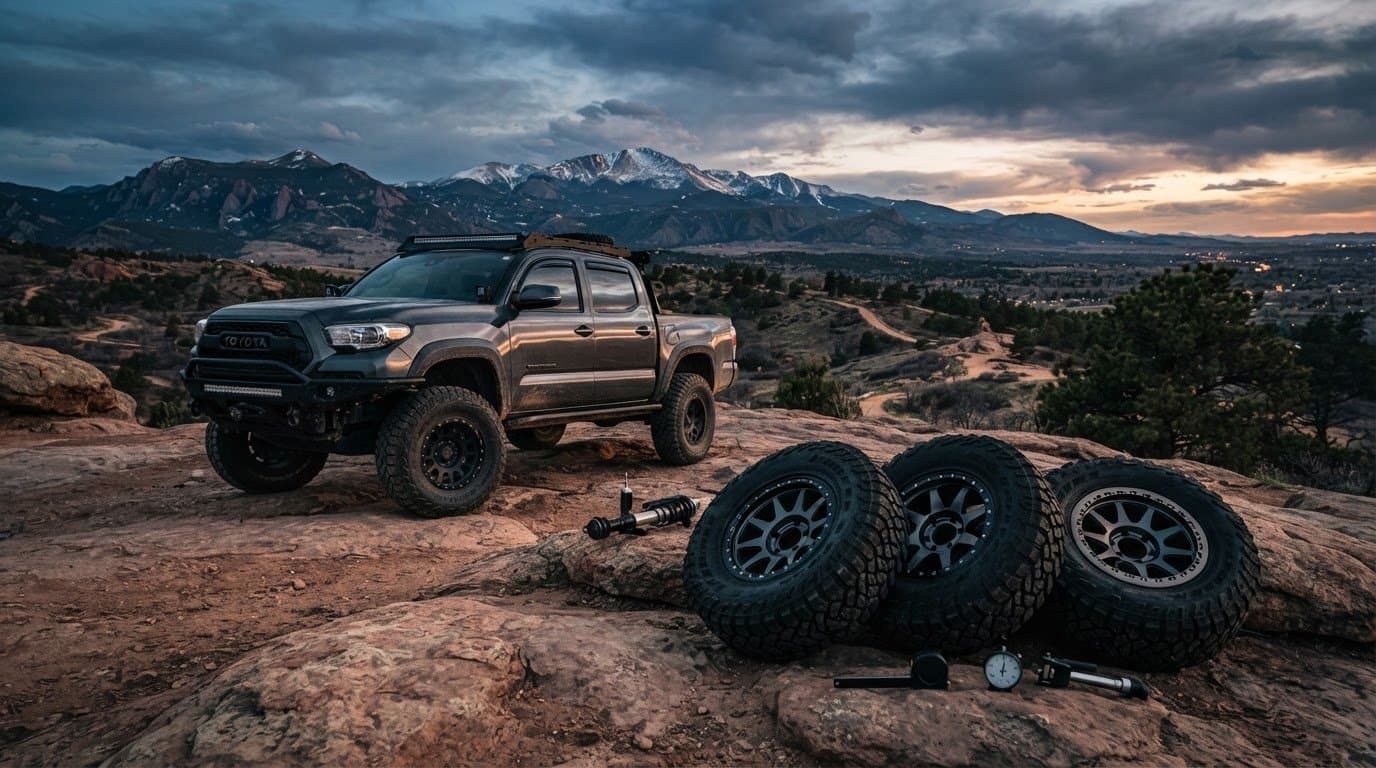
Think about tires and wheels together, especially for a custom setup. The wheel choice can affect which tire fitment makes sense, so selecting components as a package keeps the focus on the whole setup rather than an isolated tire. Platinum Wheels offers wheel-and-tire packages that can include TPMS sensors, professional mounting, and balancing. Package components can vary, so review what’s included in the specific solution instead of assuming every package is identical.
TPMS sensors are an important part of the package conversation because they relate to the vehicle’s tire pressure monitoring system. Mounting and balancing are also included in the professional package work offered through Platinum Wheels. Compare these components alongside the tire to understand what the package brings together.
How does professional fitment help avoid a mismatch?
Fitment starts with the vehicle’s specifications, then accounts for the tire and wheel combination being considered. Existing wheels, a custom wheel choice, or a modified setup can all shape the decision. Platinum Wheels matches custom wheel and tire options to the vehicle and intended use, rather than selecting a setup on appearance alone. For more background on wheel choices, explore the Denver custom wheels and rims guide.
Be clear about how you use the vehicle. A setup for daily paved driving may call for a different tire and wheel combination than one intended for regular off-road use. If winter travel is part of your routine, include that in the fitment discussion and consult CDOT’s Colorado Traction Law tire requirements for relevant guidance.
Bring your vehicle specifications and a clear description of your routes into the decision. Platinum Wheels brings tire and wheel selection, fitment, TPMS sensors, mounting, and balancing together through its package options. Explore Platinum Wheels’ tire and wheel packages as you compare what fits your vehicle and driving needs.
Choosing Tires for Denver and Colorado Front Range Driving
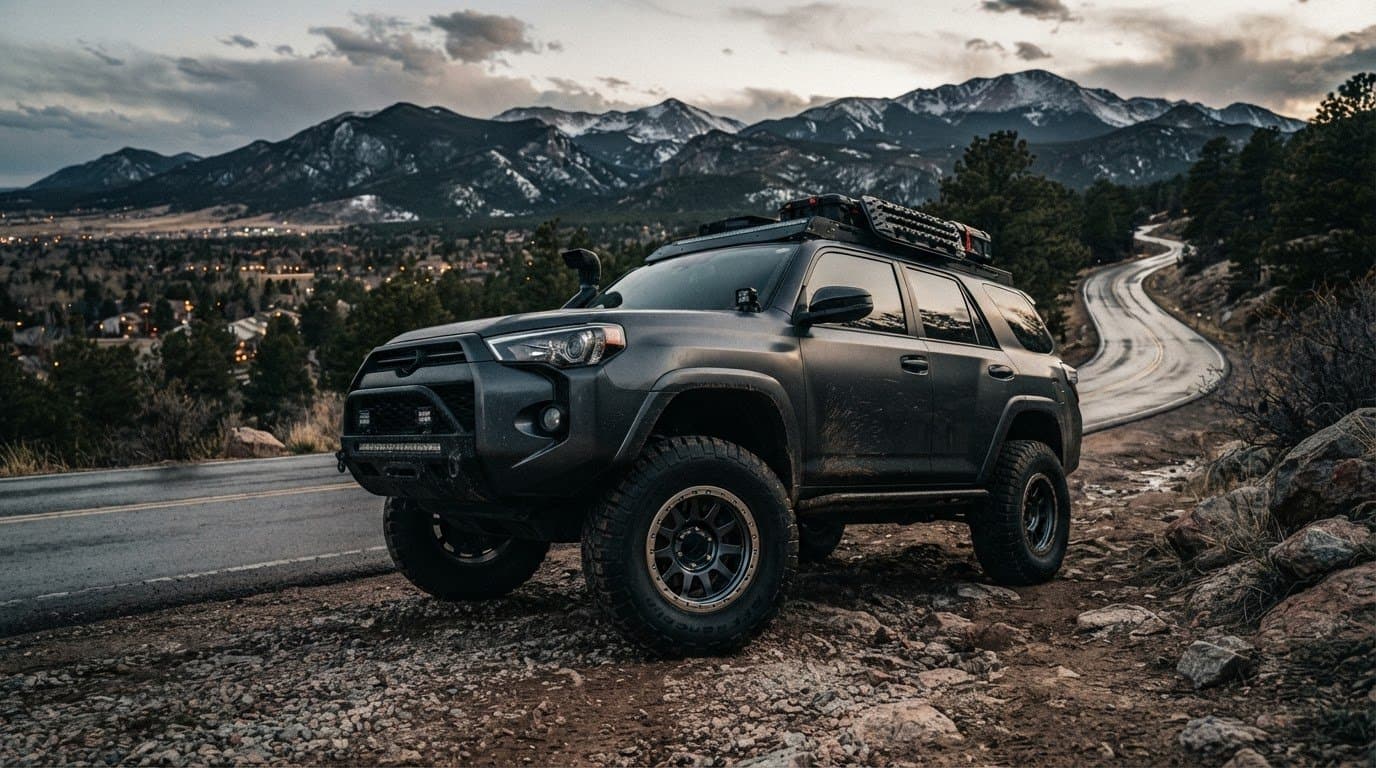
Denver driving can mean a weekday commute on paved streets, a highway trip across the Front Range, or a weekend route into the mountains. Temperatures and road conditions can change between those drives, so choosing tires means thinking beyond the conditions outside your driveway today. Start with the routes you regularly take, the vehicle’s required specifications, and the tire’s intended use.
There isn’t one tire category that fits every Colorado driver. A tire choice for frequent city and highway travel may differ from one intended for regular mountain trips or unpaved roads. Be specific about your routine, including how often you encounter winter conditions and whether gravel roads are an occasional detour or a regular part of your driving.
Do Denver drivers need winter tires or all-season tires?
That depends on seasonal use, routes, and driving priorities. All-season tires are one category for varied driving needs, but the label alone doesn’t settle whether they suit your winter routine. Think about where you drive when conditions change, how often you travel beyond the city, and what the tire specifications say about its intended use.
Compare options against your vehicle’s requirements and typical conditions rather than assuming one category covers every season or route. If winter driving regularly takes you beyond city streets, include those trips in your selection conversation.
How do mountain and unpaved routes change tire priorities?
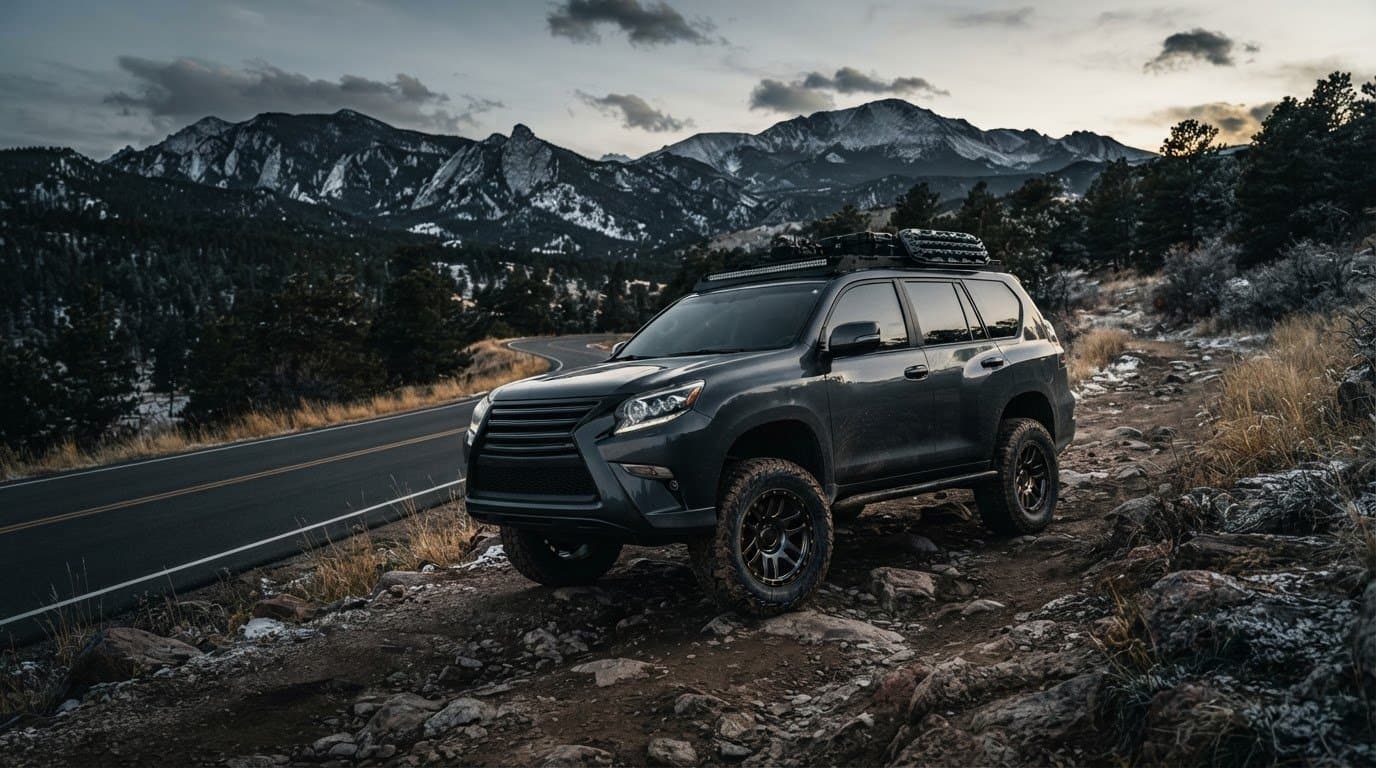
Separate occasional gravel from regular off-road travel. A short stretch of unpaved road now and then may call for a different setup than frequent off-road use. All-terrain tires are a category to consider for mixed paved and unpaved routes; mud-terrain tires are oriented toward off-road use. Neither should be chosen without accounting for vehicle specifications and intended setup.
For a closer look at off-road tire and wheel choices, Platinum Wheels’ Colorado off-road tire and wheel guide can help you explore the considerations involved.
Use this quick route check to focus your comparison:
- Mostly city and highway: Consider your everyday driving pattern and the tire specifications that suit your vehicle.
- Regular winter travel: Factor in the routes and seasonal conditions you actually encounter, not just your usual commute.
- Mixed surfaces: Note how often you drive on gravel or unpaved roads before comparing all-terrain options.
- Frequent off-road use: Consider whether an off-road-focused tire category fits your vehicle and typical use.
Keep the vehicle’s manufacturer requirements central throughout. A tire category can help narrow the options, but the tire’s specifications and fitment still need to suit the vehicle. Platinum Wheels helps Colorado Front Range drivers compare new tires, all-season options, and all-terrain or mud-terrain tires based on fitment and intended use.
Bring your vehicle requirements and a clear picture of your regular routes into the decision. Explore tire options at Platinum Wheels to compare choices for your Colorado driving needs.
Find Affordable Tires Near You with Platinum Wheels
Finding a good tire match doesn’t have to start with guesswork. Platinum Wheels is a locally owned independent shop serving Colorado’s Front Range, with new tires, all-season tires, all-terrain and mud-terrain tires, custom wheels, and wheel-and-tire packages. If you’re searching for cheap tires near me, bring a few details about your vehicle and driving routine so you can compare options based on fit and use, not just appearance.
How to prepare for a tire-selection conversation
A little preparation helps connect your needs to the right tire and fitment options. Gather your vehicle information, then describe how and where you drive. If you’re considering new wheels, include that in the plan so the tire and wheel setup can be considered together.
- Vehicle details: Note the year, make, and model, along with the current tire size. The vehicle’s tire placard or owner’s manual can help you find its specifications.
- Driving routine: Describe your typical routes, seasonal driving, and whether you regularly use gravel roads or travel off-road.
- Setup preferences: Mention whether you plan to keep your current wheels, choose custom wheels, or consider a complete wheel-and-tire package.
- Package questions: Think about which components matter to your setup, including TPMS sensors, mounting, and balancing.
These details help organize the decision: first establish the vehicle requirements, then define the intended use, compare tire categories, and consider how the final setup will be fitted. You don’t need to know every technical term. Clear information about your vehicle and routes is a practical place to start.
What can Platinum Wheels help you put together?
Platinum Wheels can match tire options to vehicle fitment and intended use, with custom wheel choices available when they suit the setup. The selection may include all-season options for everyday driving or all-terrain and mud-terrain categories for drivers whose use calls for them. The goal is to consider the vehicle, tire type, and planned setup together.
A wheel-and-tire package can bring components and installation work together. Depending on the package, it can include TPMS sensors, professional mounting, and balancing. Consider these details alongside the tire itself when comparing the overall setup. Platinum Wheels focuses on tire, wheel, and suspension upgrades, serving Front Range drivers as they weigh their options.
Bring your vehicle information and a clear picture of your driving needs, then explore options built around that starting point. Explore tire and wheel options at Platinum Wheels.
Make Your Next Tire Choice with Confidence
Searching for cheap tires near me can be the start of a better-fit decision, not a race to the lowest listing. Take the next step with your vehicle details and a clear sense of how you drive. That gives you a practical basis for comparing options and deciding what makes sense for your setup.
Platinum Wheels is a locally owned, independent Colorado shop focused on tire, wheel, and suspension upgrades. A wheel-and-tire package can include TPMS sensors, professional mounting, and balancing, bringing key parts of the setup together. The right choice is one that fits your vehicle and routine and makes sense for your plans.
Explore tire and wheel options at Platinum Wheels to compare choices for your vehicle and Colorado driving needs.
Frequently Asked Questions
Is it safe to buy cheap tires?
Affordable tires can be suitable if they meet your vehicle’s specifications and fit your driving needs. A low price alone doesn’t tell you whether a tire is the right size, category, or condition for your vehicle. If you’re searching for cheap tires near me, compare the tire’s specifications and intended use, then review what’s included in the purchase. Don’t choose based only on a familiar-looking tread or a low listing.
Can I put a different tire size on my truck to save money?
Don’t change tire size solely to reduce the purchase cost. A different size needs to suit the truck’s specifications and wheel setup; changing wheels or suspension can also affect fitment. Check the owner’s manual or tire placard for the manufacturer’s requirements before comparing alternatives. For a modified truck, treat tire and wheel sizing as one fitment decision, not a way to shop for a cheaper tire in isolation.
How much should I budget for new tires?
There isn’t one budget that fits every vehicle or tire setup, so build your estimate around the specific job. Account for how many tires you need, the tire category and size, and whether you’re considering wheels or a package. Review the itemized total, including applicable installation work and package components such as mounting, balancing, or TPMS sensors. That lets you compare like with like without treating a tire’s listed price as the full cost.
What happens if I buy tires that do not match my vehicle?
Tires that don’t meet your vehicle’s requirements may not fit the wheel setup correctly or suit the vehicle’s intended specifications. That can create fitment problems and may affect how the vehicle drives. Before buying, compare the tire information with the vehicle’s placard or manual, and don’t rely only on the size printed on an existing tire if you’re unsure it’s correct. A fitment review can help catch a mismatch before installation.
Are all-season tires enough for driving around Denver?
They may suit some drivers, but the choice depends on your routes, seasonal driving, and priorities. A Denver driver who mostly stays on city streets has different considerations from someone who regularly travels into the mountains during winter. Think through the trips you make across the year, not just your weekday commute. If winter routes are a regular part of your plans, compare tire specifications and categories with those conditions in mind.
Can I buy tires and have them installed at Platinum Wheels?
Yes. Platinum Wheels sells new tires and provides professional installation as part of its tire and wheel offerings. It serves Colorado Front Range drivers in Denver, Aurora, Lakewood, Englewood, Wheat Ridge, Commerce City, Westminster, Thorton, Broomfield, Arvada, Golden, Littleton, Parker, Highlands Ranch, Castle Rock, Boulder, Fort Collins, and Colorado Springs. Wheel-and-tire packages can include mounting, balancing, and TPMS sensors.
Do I need new TPMS sensors when I replace my tires?
Not necessarily. Replacing tires doesn’t automatically mean the TPMS sensors also need replacement; the right choice depends on the sensors and wheel setup. If you’re changing wheels or putting together a package, include TPMS sensors in the fitment discussion so they’re considered with the other components. Platinum Wheels offers TPMS sensors and wheel-and-tire packages that can include them alongside mounting and balancing.